

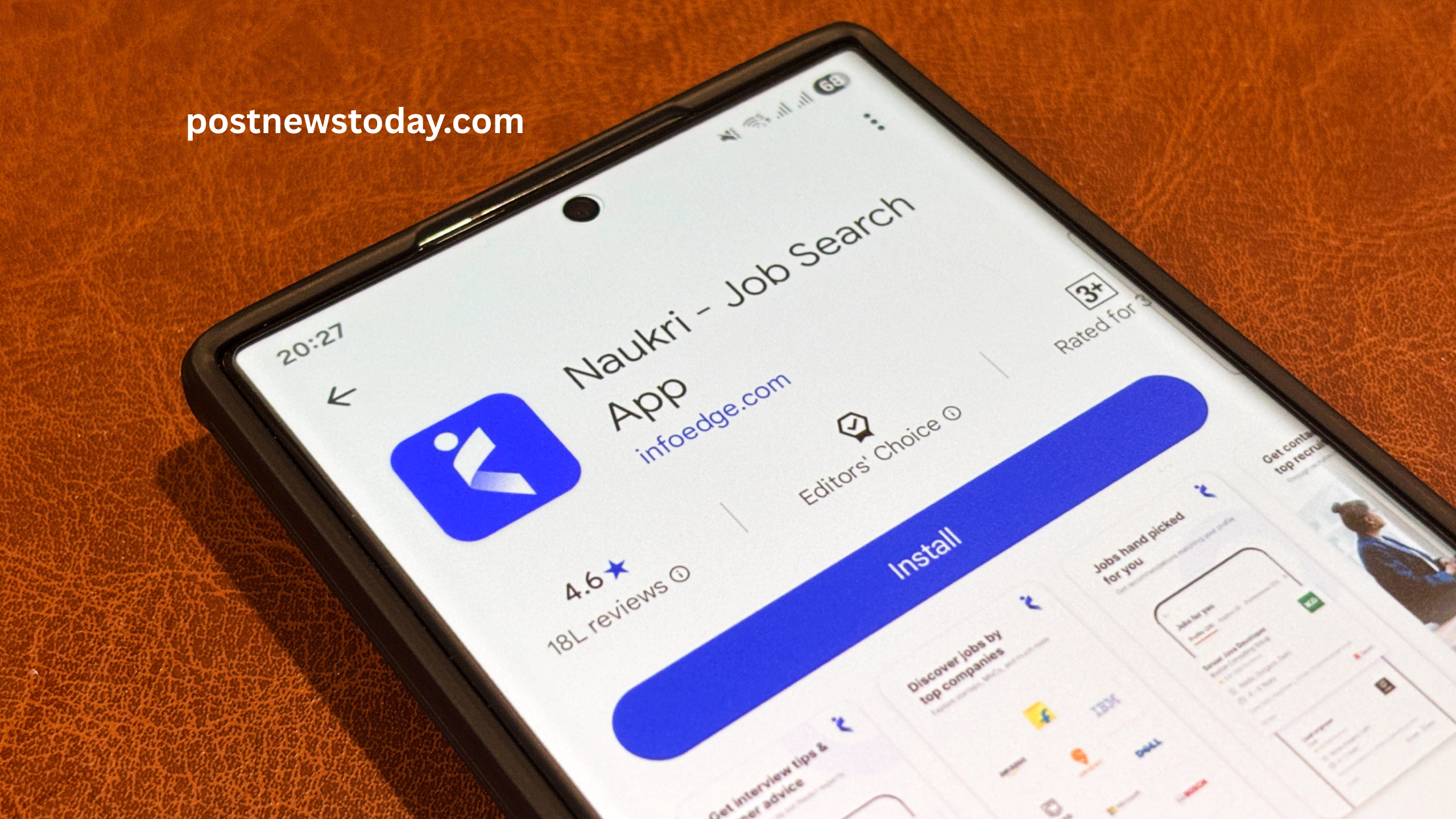
In an age where data security is paramount, even the most reputable platforms are not immune to lapses that can jeopardize user trust. One such incident recently surfaced when Naukri.com, one of India’s largest and most widely used job search and recruitment platforms, was found to have unintentionally exposed the email addresses of recruiters due to a vulnerability in its application programming interface. The issue, discovered by independent security researcher Lohith Gowda, underscores a critical concern in the digital recruitment landscape: the constant threat of data breaches and privacy violations in a highly interconnected environment.
Understanding the Incident
Naukri.com, owned by Info Edge India Ltd., serves millions of job seekers and thousands of recruiters, acting as a bridge between employers and potential candidates. The bug that triggered this data exposure was found in the mobile APIs—specifically, the backend communication used by the Android and iOS applications of Naukri.
According to Lohith Gowda, the flaw was in the way the app communicated with the API when recruiters viewed job seeker profiles. Under normal circumstances, an API should only return relevant, sanitized information needed by the end user. However, in this instance, the API inadvertently included recruiter email addresses in the data payloads returned when accessing certain candidate profiles. This issue did not impact the desktop website version of Naukri.com, suggesting a misalignment between mobile and web implementations.
Implications of the Leak
At first glance, exposing email addresses might not seem catastrophic. But in cybersecurity, even seemingly minor leaks can lead to extensive ramifications:
- Phishing Risks: Cybercriminals often collect email addresses for targeted phishing campaigns. Knowing that an email address belongs to a recruiter at a specific company makes these campaigns even more convincing and dangerous.
- Spam and Unsolicited Messages: Exposed email addresses can be harvested and added to spam lists, resulting in inboxes flooded with irrelevant or malicious content. This not only hampers productivity but also creates a security risk if malicious links are embedded in these messages.
- Breach Aggregation: Exposed emails may be added to public breach databases, making it easier for malicious actors to build complete digital profiles of the individuals involved. When combined with data from other breaches, the risk multiplies.
- Automated Exploitation and Bot Abuse: Scraped email addresses can be used to automate spam campaigns or create fake job offers and scams targeting recruiters themselves—an often overlooked vector in cybercrime.
- Reputation and Trust Issues: For a platform like Naukri.com, trust is a currency. Recruiters and job seekers alike rely on the platform for confidential and secure communications. A breach—even if limited in scope—can erode that trust.
Researcher Disclosure and Platform Response
Lohith Gowda responsibly disclosed the vulnerability to Naukri’s team, adhering to responsible disclosure practices commonly observed in the security research community. He provided technical details on how the API returned sensitive data that should have remained private. According to Gowda, the response from Naukri was prompt and professional, and the issue was patched in a timely manner once the platform’s technical team validated the flaw.
Naukri has not made a public announcement detailing the number of email addresses exposed or the duration for which the bug persisted. However, given the potential scale of the issue—millions of job seeker interactions occur on the platform daily—it’s conceivable that the exposure was nontrivial.
Why Mobile APIs Are Often Overlooked
This incident highlights a recurring theme in application development: the underestimation of mobile backend security. While web platforms often undergo rigorous penetration testing and audits, mobile APIs sometimes escape scrutiny. Developers may assume that data exchanged between a mobile app and the server is inherently secure due to HTTPS encryption. But encryption does not prevent logic errors or misconfigured API endpoints that return excessive information.
A key reason for this oversight is the abstraction provided by modern development frameworks. APIs are frequently designed with reusability and efficiency in mind, but when that design fails to apply appropriate access controls and data filtering, sensitive data can slip through the cracks.
The Broader Context: Data Privacy in India
India’s digital ecosystem is growing at a breakneck pace. Platforms like Naukri.com are integral to the professional lives of millions. However, India still lags behind some Western nations in terms of comprehensive data protection legislation. The long-awaited Digital Personal Data Protection Act aims to establish clearer norms for data processing, storage, and protection, but its full implementation is still in progress.
Incidents like this highlight the urgent need for:
- Stricter Compliance Requirements: Companies must be held to high standards in how they manage, store, and expose data through various platforms.
- Regular Security Audits: Especially for mobile apps and APIs, which may not be as thoroughly tested as their web counterparts.
- Transparency in Incident Reporting: Users should be informed when their data may have been exposed. Currently, there is no indication that Naukri informed recruiters whose emails were affected.
- Greater Investment in Security Infrastructure: As companies scale, so too must their investment in security monitoring tools, anomaly detection systems, and vulnerability testing.
The Rise of Responsible Disclosure in India
Security research in India is on the rise, with independent researchers like Lohith Gowda playing a crucial role in safeguarding digital infrastructure. Gowda’s work is an example of ethical hacking in action—where vulnerabilities are identified, reported responsibly, and fixed without public exploitation.
However, not all researchers are met with cooperation. Some face legal threats or are ignored altogether. Creating a legal and ethical framework that protects and encourages responsible disclosure can lead to a healthier cybersecurity environment.
Recruiter Vulnerability vs. Candidate Exposure
Interestingly, most past incidents involving job platforms have centered around the leakage of candidate data—resumes, phone numbers, job preferences, and other personal information. This time, the affected party is the recruiter. This reversal is a stark reminder that all users, regardless of their role on a platform, are susceptible to security flaws.
Recruiters are often overlooked as data subjects in security planning. Yet, they represent companies, use corporate credentials, and often carry authority over sensitive hiring processes. If their accounts are compromised, it can lead to internal data leaks, loss of hiring data, or even impersonation of recruiters to defraud job seekers.
How Recruiters Can Protect Themselves
While the platform must bear primary responsibility for securing its infrastructure, users—particularly recruiters—can take additional steps to protect their digital presence:
- Use Work Emails for Recruiter Accounts: Avoid using personal email addresses on hiring platforms to reduce personal risk.
- Enable Two-Factor Authentication: If the platform supports it, always enable two-factor authentication to secure access, even if login credentials are leaked.
- Monitor Email Accounts: Use online services to monitor if your email appears in known data breaches.
- Be Wary of Phishing: Even seemingly legitimate messages should be scrutinized. Don’t click on links or download attachments from unknown senders.
- Report Suspicious Activity: If you suspect your account has been targeted or compromised, alert the platform immediately.
Lessons for Tech Platforms
For Naukri and other digital platforms, this incident offers several lessons:
- Audit Every Endpoint: Regular API security audits should be a cornerstone of DevSecOps practices. Every endpoint—regardless of user type—must be reviewed for unnecessary data exposure.
- Implement Role-Based Access Control: Data returned from APIs should be filtered based on user roles and minimum required permissions.
- Rate Limiting and Bot Detection: To prevent mass scraping of exposed data, APIs should have proper rate-limiting mechanisms and anomaly detection.
- User Notifications: When a breach or data exposure is confirmed, affected users must be notified promptly and transparently, even if no malicious exploitation has occurred.
Moving Forward: A More Secure Recruitment Ecosystem
The digital recruitment space will only grow more complex in the coming years, with integrations across platforms, automated applicant tracking systems, AI-based hiring assistants, and more. Security must evolve in tandem with these technologies.
Platforms like Naukri.com hold vast amounts of user data that can be weaponized if mishandled. While no system is entirely immune from vulnerabilities, the true test lies in how platforms respond to flaws, how transparent they are with users, and what steps they take to prevent future incidents.
Frequently Asked Question
What happened with Naukri.com?
A bug in its mobile app API exposed recruiter email addresses when viewing candidate profiles.
Who discovered the issue?
Security researcher Lohith Gowda found and responsibly disclosed the vulnerability.
Was candidate data affected?
No, only recruiter email addresses via the mobile API were exposed.
Has the issue been fixed?
Yes, Naukri.com has patched the vulnerability.
Conclusion
The recent exposure of recruiter email addresses on Naukri.com serves as a crucial reminder of the importance of securing every layer of digital infrastructure, especially APIs in mobile applications. While the issue was quickly identified and resolved, it highlights the ongoing need for proactive security measures, transparent communication, and ethical collaboration with researchers.
