

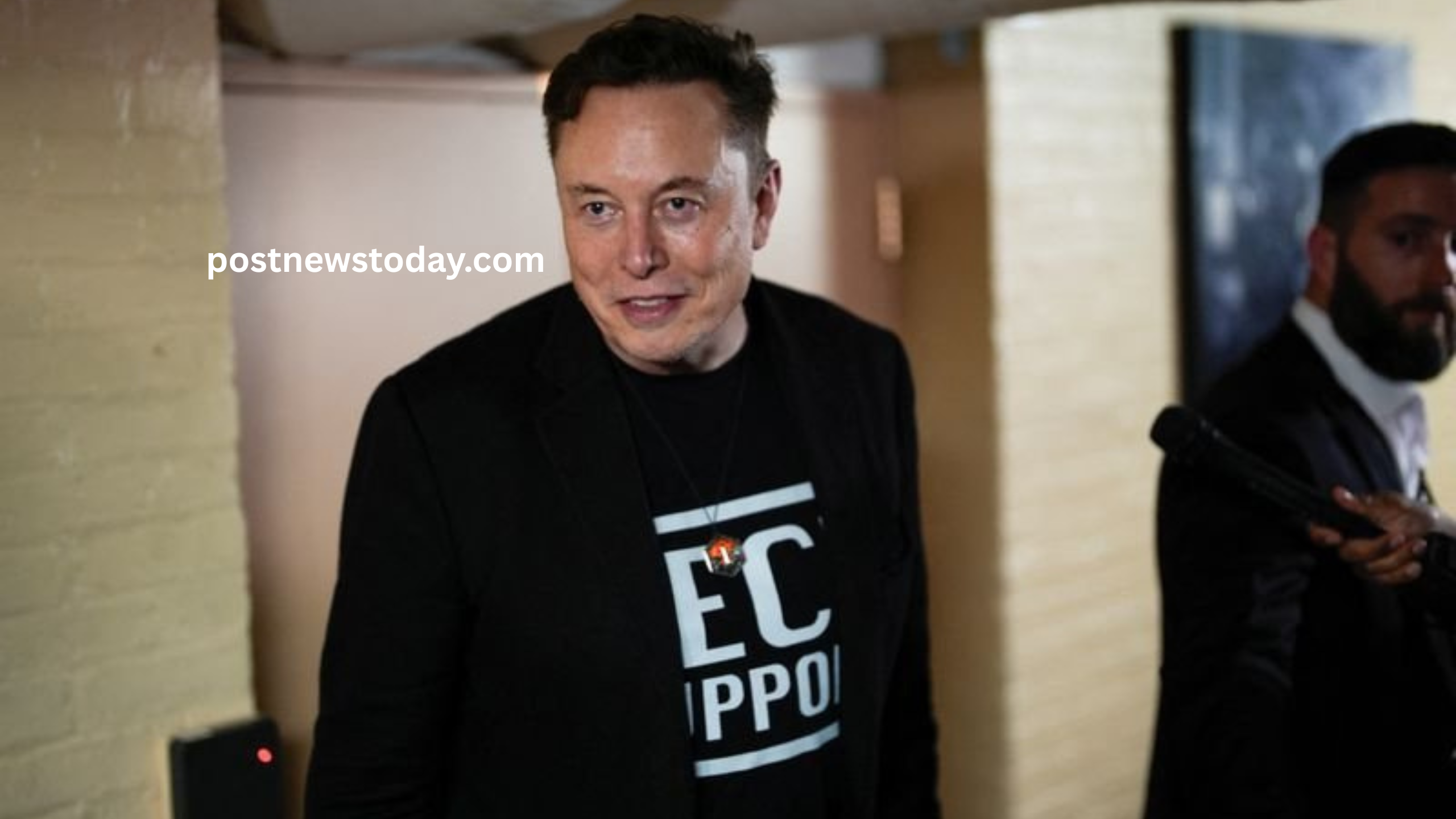
Elon Musk, the ever-restless entrepreneur and technological trailblazer, recently declared that he is “back to spending 24/7 at work,” following the latest outage at X, the platform formerly known as Twitter. The declaration sent waves across the tech world and reignited ongoing conversations about Musk’s leadership style, the resilience of X’s infrastructure, and the heavy burdens of running multiple high-stakes companies in the tech space.
This development comes on the heels of a particularly disruptive period for X, where users around the globe experienced problems accessing core services such as posting, messaging, and interacting with content on the platform. The outage, though temporary, triggered a broader debate about the health of the platform, its engineering backbone, and the vision Musk has charted for the company since acquiring it.
In this article, we delve into the timeline of events leading to the outage, Musk’s response, the public and internal reactions, the technological challenges facing X, and the implications of Musk’s return to around-the-clock work. We also explore the broader context of burnout in tech leadership and what this means for the future of Musk’s enterprises.
The Outage That Sparked a Storm
For users accustomed to the fast-paced, continuous feed of content on X, the disruption was immediately noticeable. Over a span of several hours, the platform’s key functionalities sputtered or became entirely unresponsive. The company was initially quiet, but murmurs began to surface from user reports, screenshots, and viral complaints posted on other social media networks.
Eventually, a brief statement acknowledged the issue. Though sparse on details, the message suggested that a backend server update had triggered a cascading failure in service delivery. What stood out most was the absence of communication from Musk in the early hours of the outage—an uncharacteristic silence from someone known for live-tweeting major events from his companies.
When Musk did break his silence, it came with his now-viral comment: “Back to spending 24/7 at work.” The statement was part apology, part declaration of accountability, and part a signal to both critics and supporters that he remained committed to X’s vision, despite the setbacks.
A Return to the Grind
Elon Musk’s reputation for immersing himself entirely in his work is well documented. Tales of him sleeping on factory floors at Tesla, participating in intense engineering reviews at SpaceX, and micromanaging aspects of his companies are part of the lore surrounding the billionaire. But in recent months, many had speculated that Musk had started delegating more responsibilities, especially as his empire grew to include not just Tesla and SpaceX, but also Neuralink, The Boring Company, and X.
His announcement of returning to round-the-clock work suggests a pivot back to his earlier, hands-on approach. The tech mogul’s declaration was interpreted by some as a move to personally stabilize operations at X, while others saw it as a public relations tactic to reaffirm his dedication.
In typical Musk fashion, the message sparked both admiration and criticism. Admirers saw it as a heroic return of a dedicated leader, while critics questioned the sustainability and effectiveness of a “sleep-at-your-desk” work culture, especially when it comes from the top.
The Culture of Hustle
Musk’s comment shines a spotlight once again on the culture of hustle in the tech industry. This culture has long glorified long hours, blurred lines between work and personal life, and the belief that extraordinary outcomes require extraordinary sacrifice.
For Musk, who has often preached the gospel of hard work, the line between personal commitment and performative exhaustion can be difficult to delineate. In previous interviews, he has said he doesn’t recommend the kind of lifestyle he leads to others. Yet, his behavior and statements frequently influence how his employees and even other leaders in the industry operate.
When a figure as influential as Musk declares he’s back to a 24/7 schedule, it has ramifications that ripple beyond his own companies. It reinforces a certain image of leadership—one where endless hours are synonymous with passion and success, and where burnout is an acceptable casualty on the road to innovation.
The State of X
Since Musk’s acquisition of Twitter and its rebranding to X, the platform has undergone a series of radical transformations. These include mass layoffs, restructuring of teams, monetization changes, content moderation adjustments, and a new push toward becoming an “everything app”—a platform combining social media, payments, and communication services in one ecosystem.
However, these shifts have not come without cost. The latest outage underscores the fragile state of X’s engineering team, many of whom departed during the early restructuring phases. The platform, once lauded for its robust stability, now faces scrutiny over its ability to deliver consistent and secure services.
Technical experts have pointed out that with fewer engineers maintaining a massive system, issues like outages are bound to increase in frequency and severity. The question, then, becomes one of priorities: is Musk pushing innovation at the expense of reliability? And is the current infrastructure at X capable of supporting the ambitious roadmap laid out for its future?
Public Reaction
Reactions to Musk’s announcement have been predictably polarizing. His loyal fanbase praised his dedication, flooding his post with messages of support. Many said they believed Musk’s return to intense involvement would restore confidence in X and lead to meaningful improvements.
On the other side of the spectrum, skeptics raised alarms about the sustainability of such a work ethic, not just for Musk but for the teams he leads. Some users accused him of using the outage as a stage for self-aggrandizement rather than offering transparency and actionable solutions.
Investors watched the situation closely, concerned about the platform’s future trajectory and Musk’s ability to juggle multiple demanding ventures. While Musk has often been hailed as a visionary, questions persist about how long one person can remain the central axis of so many complex organizations without the wheels starting to come off.
The Weight of Empire
Managing X alone would be a full-time job for most. For Musk, it is one of several equally high-profile responsibilities. He continues to serve as CEO of Tesla, which is navigating an increasingly competitive electric vehicle market. SpaceX is scaling up its Starlink initiative and prepping for more Starship launches. Neuralink just received approval for human trials, and The Boring Company is pitching tunnel projects in multiple cities.
Each of these enterprises demands strategic vision, operational oversight, and engineering precision. Musk’s decision to step back into an around-the-clock leadership role at X invites speculation about how it might affect his performance and availability across the rest of his ventures.
It also reignites debate about the dangers of personality-driven companies. When one person becomes synonymous with multiple organizations, the risks of burnout, misjudgment, and overextension become more pronounced.
The Engineering Void
One of the lesser-discussed but significant concerns at X is the attrition of experienced engineers. Since Musk took over, waves of layoffs and resignations have left the platform with a leaner technical team. While Musk has praised the remaining staff for being “hardcore,” others argue that expertise cannot be replaced with enthusiasm alone.
The recent outage is emblematic of what critics say is a weakened engineering foundation. They warn that continued neglect of software stability and infrastructure robustness could lead to more frequent disruptions, putting user trust and advertiser confidence at risk.
Internally, morale at X has reportedly fluctuated. While some employees thrive under Musk’s high-intensity leadership, others find the constant pressure and shifting priorities overwhelming. The announcement of Musk’s 24/7 work schedule may inspire some but could also deepen anxiety about the demanding culture and expectations.
Leadership Style in Focus
Musk’s leadership style has always been unorthodox. He blends scientific curiosity with brute-force willpower, often pushing his teams beyond what most would consider sustainable. Critics label it coercive; supporters call it inspiring.
The “back to 24/7 work” remark is emblematic of this duality. On one hand, it reflects an unparalleled level of personal investment. On the other, it risks normalizing an unsustainable grind.
Leadership experts point out that sustainable success in modern enterprises requires building systems and delegating authority. While founders often thrive in early-stage chaos, scaling a company—or in Musk’s case, several companies—demands a shift in how leadership is distributed.
Musk’s insistence on personal involvement, particularly during crises, may suggest a reluctance to let go or a belief that no one else can do the job. Either way, it places immense pressure on both himself and the teams that work for him.
Moving Forward: What’s Next for X?
Looking ahead, the future of X remains uncertain. Musk’s ambitions for the platform are grand—transforming it from a social media site into an all-in-one utility where users can post, stream, message, shop, pay, and more.
But for these ambitions to materialize, X will need to address its fundamental issues. This includes rebuilding trust with users, strengthening its infrastructure, hiring experienced engineers, and clarifying its roadmap. It will also require Musk to decide how much of himself he can realistically invest in X without compromising his other ventures or personal health.
The next steps for X should ideally include more transparency around outages, a renewed focus on technical reliability, and a leadership structure that doesn’t rely solely on Musk’s constant presence. The world may find inspiration in Musk’s tireless work ethic, but long-term success demands scalable, sustainable systems—not just superhuman efforts.
Frequently Asked Questions
What caused the latest outage at X?
The outage was reportedly due to backend server issues that disrupted core functionalities like posting, messaging, and content interaction. The exact cause hasn’t been fully disclosed, but it highlights ongoing infrastructure concerns within the platform.
Why did Elon Musk say he’s “back to 24/7 work”?
Musk made this statement as a response to the outage, signaling his renewed hands-on involvement in stabilizing the platform and addressing operational challenges directly.
Has Musk worked 24/7 before?
Yes. Musk is known for his intense work ethic and has previously spent nights on factory floors and immersed himself in multiple ventures simultaneously. This isn’t the first time he has declared a nonstop work schedule during a company crisis.
Is the engineering team at X facing issues?
Since Musk’s acquisition of the company, X has experienced significant staff reductions, particularly in its engineering departments. This has led to concerns about the platform’s ability to maintain reliability and performance.
How are users reacting to Musk’s return to nonstop work?
Reactions are mixed. Some users and fans see it as a sign of dedication, while critics argue it perpetuates an unsustainable work culture and distracts from systemic issues within the platform.
What does this mean for Musk’s other companies?
Musk’s renewed focus on X may raise concerns about his capacity to lead his other ventures—such as Tesla, SpaceX, and Neuralink—without spreading himself too thin.
Will this solve the problems at X?
While Musk’s direct involvement may lead to short-term fixes and renewed momentum, long-term success will depend on rebuilding engineering capacity, improving infrastructure, and creating sustainable leadership systems.
Conclusion
Elon Musk’s declaration that he’s “back to 24/7 work” following a significant outage at X is both a personal vow and a strategic signal. It reflects his deep commitment to the platform and a hands-on approach to problem-solving. However, it also reopens debates about leadership sustainability, engineering resilience, and the culture of overwork in tech.
