

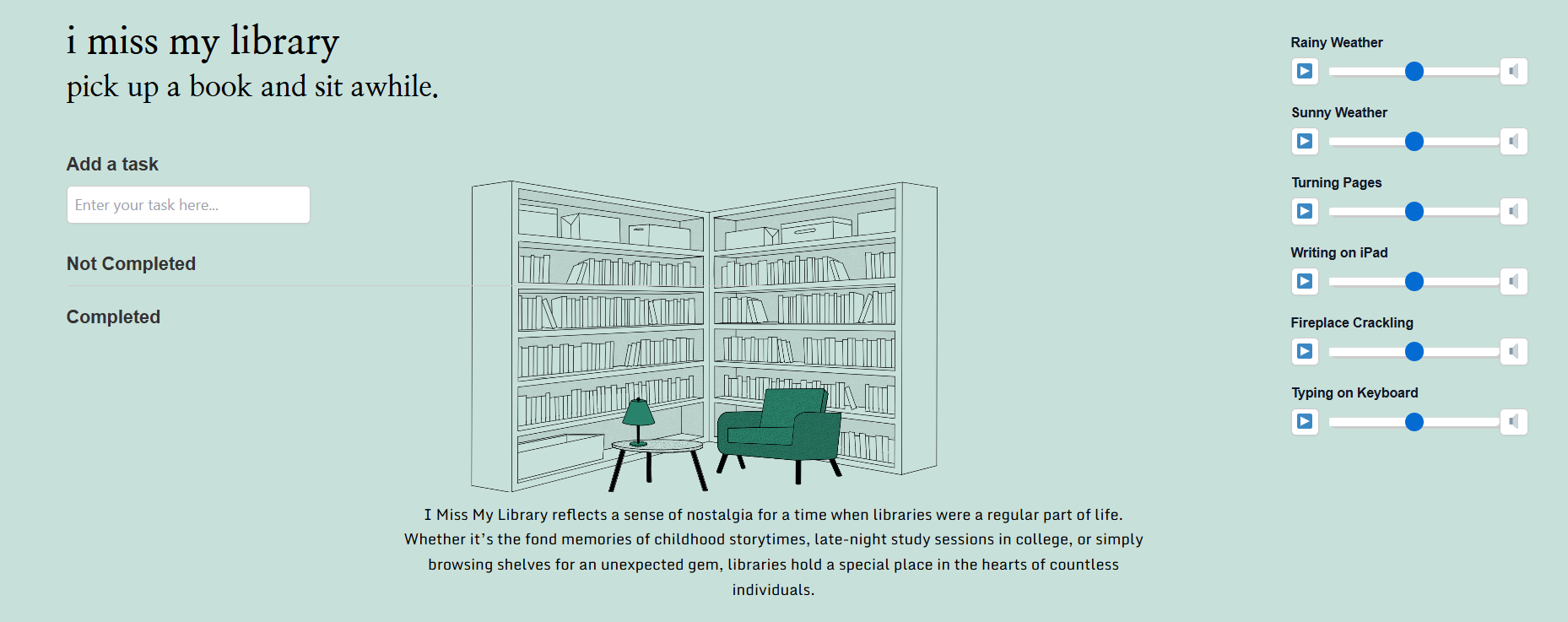
Libraries were once sacred spaces where readers felt safe, inspired, and connected. Missing a library isn’t just about missing books, it’s about longing for an atmosphere filled with peace, curiosity, and silence. It’s a memory that lives deep in the hearts of book lovers.
The feeling of missing your library stirs emotions that are hard to explain. It’s a blend of nostalgia, loss, and deep affection. It’s about remembering the old wooden shelves, the smell of books, and the joy of discovering new stories.
So, what really happens when you miss your library? In this article, we’ll explore how this longing affects the heart and mind of a reader and how I Miss My Library helps revive those precious moments.
How Library Nostalgia Shapes Emotions
Triggers Deep Emotional Memories
When someone says they miss their library, they often mean much more than a building. Libraries are personal sanctuaries. The scent of aging pages, the soft rustle of turning paper, and the echo of footsteps in quiet hallways awaken vivid emotional memories.
These memories are often linked to peaceful moments of growth, discovery, and comfort. Missing a library brings a wave of emotion that reflects how deeply connected readers become to their favorite reading places.
Creates a Sense of Longing
That absence creates a silent ache. The feeling of not being able to return to a space once filled with joy can leave readers emotionally unsettled. They miss not just the books but the atmosphere, the rhythm of quiet, and the comfort of a routine.
This longing can be both beautiful and bittersweet. It reveals how powerful an impact libraries have had on our lives, becoming more than just public spaces they become emotional landmarks.
Leads to Creative Reflection
Missing your library often leads readers to reflect deeply. They may start journaling, blogging, or seeking similar spaces to recreate that same connection. That reflection fuels creativity, as memories evolve into storytelling, art, or even digital projects like I Miss My Library.
This sense of reflection helps readers not only remember the past but actively reshape how they experience literature today.
How Missing Libraries Affects Book Habits
Shifts in Reading Behavior
The absence of a library often changes how readers approach books. Instead of browsing shelves for unexpected treasures, they may stick to familiar genres or digital recommendations. The variety and surprise that libraries once offered begin to fade from their routines.
This shift may feel limiting over time. Without the environment that encouraged curiosity, readers can lose some of the magic that once inspired them to explore boldly.
A Stronger Bond with Print Books
Surprisingly, missing a library can rekindle one’s love for physical books. Holding a hardcover, flipping through pages, or smelling ink can feel more meaningful. Readers begin to collect books that remind them of their past library visits, building personal collections at home.
Even though the library space is gone, the desire to preserve that experience lives on through shelves and stacks that reflect the warmth of memory.
Key changes readers notice:
- Increased emotional value of each book
- Less genre exploration without browsing
- Higher attachment to physical book rituals
Why “I Miss My Library” Matters
It Validates Reader Emotions
When you miss a library, it’s easy to feel alone in that sentiment. Friends may not understand the emotional weight tied to a building full of books. But I Miss My Library exists to validate those feelings and celebrate them with a shared community.
The platform acknowledges the quiet grief of losing a cherished space. It becomes a place where emotions are recognized, honored, and shared with others who feel the same.
It Revives the Reading Atmosphere
I Miss My Library recreates the emotional setting of libraries through storytelling, memory-based articles, and thoughtful reflections. It doesn’t offer physical bookshelves, but it brings back the feeling of being surrounded by literary comfort.
Every page feels like walking down a familiar aisle. Every article feels like a whispered conversation in a reading nook. The site helps readers reconnect with that long-lost peace.
It Keeps the Spirit of Libraries Alive
Even as physical libraries change or disappear, their spirit doesn’t have to fade. I Miss My Library captures that spirit, bottling it into a digital experience that still feels deeply personal.
This connection allows readers to revisit their love of libraries, even if only through words. The memories live on and continue to inspire future reading experiences.
Emotional Impact of Library Absence
Triggers Literary Melancholy
Library absence can cause a unique type of melancholy a sadness rooted in lost environments. Unlike missing a specific book, this feeling comes from missing an entire atmosphere of discovery and quiet companionship with stories.
This melancholy can be powerful. It reminds readers of the emotional landscapes that libraries once provided, spaces that shaped how they connect with literature.
Inspires Memory-Driven Reading
When readers miss their libraries, they often gravitate toward books they once discovered there. Re-reading beloved classics, hunting down childhood favorites, or seeking titles that remind them of their early reading days becomes common.
The reading journey becomes memory-driven, allowing the past to guide current choices. It’s not just about content anymore—it’s about connection.
Promotes Inner Solitude
The solitude once offered by libraries must now be recreated. Readers find new ways to enjoy silence morning reading routines, isolated corners at home, or weekend hours free of screens.
This self-made solitude strengthens personal growth and reflection, helping readers maintain the spiritual peace that libraries once provided.
Signs You Miss Your Library Deeply
You Frequently Recall Library Moments
Do you often remember the feel of your favorite chair or the way light hit the reading table? Frequent recall of these moments is a clear sign that your library meant a lot more than a building. It was your refuge.
These memories come uninvited but warmly welcomed. They show how deeply libraries are engraved in the minds of readers who truly loved them.
You Try to Recreate the Experience
You may start creating library-like environments at home: quiet corners, warm lighting, stacks of books arranged like aisles. This act of recreating the atmosphere shows just how emotionally important libraries were to you.
Readers even begin using digital platforms like I Miss My Library to mentally return to those quiet, cherished spaces.
You Value Nostalgia in Reading
Your book choices reflect nostalgia titles from childhood, editions that look old, or stories that feel comforting. This shift signals that you’re reading with memory, not just curiosity.
Common habits of nostalgic readers:
- Re-reading books from youth
- Collecting old or vintage editions
- Decorating shelves with library-style touches
Why Bibliophiles Stay Connected
They Seek Emotional Continuity
Even when the library is gone, true bibliophiles remain connected to the emotions it sparked. They continue seeking that feeling through every book, every quiet moment, and every online space that values books deeply.
I Miss My Library helps maintain this emotional thread, weaving the past into the present without letting it fade.
They Honor Their Literary Past
Missing a library is about honoring where your journey began. The books, the shelves, the quiet these are not just memories but milestones in your personal growth. Bibliophiles recognize this and keep the flame alive by revisiting those moments often.
By honoring their past, they enrich their present. Every story becomes part of a larger narrative that began long ago inside a beloved library.
Conclusion
When you miss your library, you’re not just remembering a place you’re feeling the absence of an emotional world. That longing shapes your reading, your reflections, and your connections to literature. I Miss My Library exists to keep those feelings alive, giving book lovers a meaningful way to relive, reflect, and stay connected to the sacred spaces that once meant everything.
