

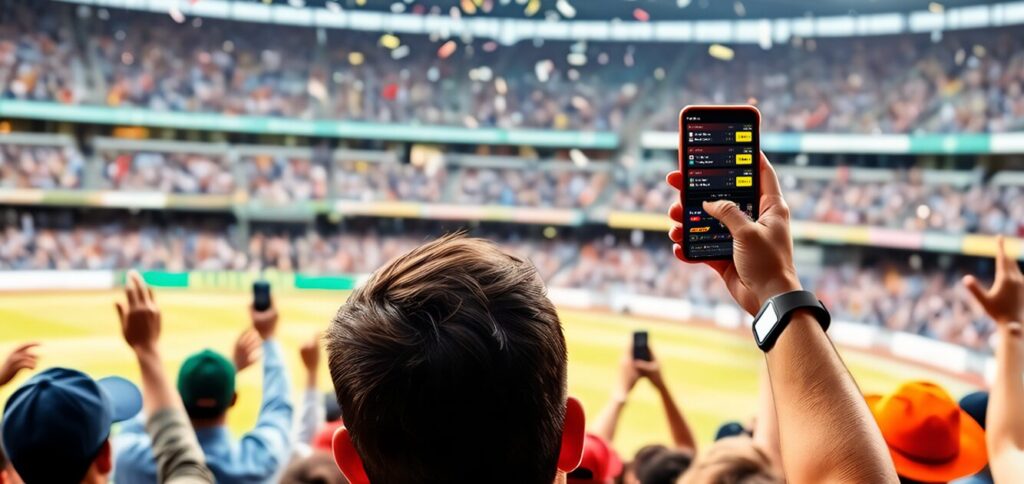
Sports used to be simple. Fans watched the game, followed the score, and argued about the outcome the next day. Today, the viewing experience has a second layer: the constant presence of odds, predictions, and probability talk. Betting narratives now appear on commentary booths, live tickers, highlight reels, fan feeds, and social media timelines. They shape how people interpret momentum, pressure, and performance.
These narratives do not require fans to place bets. Their influence comes from how they frame the action. When broadcasters mention shifting odds, they imply that every moment has measurable stakes. When social media posts track live probabilities, they turn each play into a data point. This lens changes how fans feel about risk, surprise, and suspense. It reshapes the emotional rhythm of a match.
This article explores how betting language moves from arenas to screens and how it transforms the way fans watch live sports—even if they never gamble.
Broadcasts Now Highlight Probability, Not Just Play
Commentary has shifted. Broadcasters once focused on tactics, player form, and match tempo. Now they weave probability into the action. They mention chances of a comeback, odds of a specific scoreline, or the implied likelihood of a team holding a lead. These numbers act like a second scoreboard. They give fans a way to judge momentum beyond what they see on the field.
Probability Frames Each Moment With Added Weight
When numbers appear on-screen after a foul, a timeout, or a substitution, they shape expectations. A small shift can feel meaningful even when the game itself has barely changed. Fans start watching the data as closely as the play.
Social Media Amplifies These Narratives
Posts track live probabilities in real time. Influencers discuss swings as if they reveal hidden truths. Fans share charts, graphs, and quick takes that travel faster than official commentary. The conversation becomes a constant stream of predictive talk. Anyone scrolling through fan discussions sees these cues, whether they care about wagering or not.
Emotion Follows The Metrics
Probability creates tension. When a team’s chances collapse or spike, fans respond instantly. The emotional arc becomes tied not just to the score but to the silent math behind it. Even casual viewers feel the pull. They want to read more about why the numbers changed and what could happen next.
A New Viewing Habit Emerges
Many fans now keep a second screen open. They scan live win probabilities, injury updates, and analytical models while they watch the game. The habit turns matches into real-time puzzles. The thrill comes not only from the outcome but from watching the numbers react to each play.
This shift creates a deeper, data-shaped experience. Fans interpret sports through two layers: what happens on the field and what the probabilities say about what might happen next.
Social Platforms Turn Every Play Into A Prediction Game
Social media now runs parallel to live sports, creating a nonstop stream of reactions, forecasts, and micro-analysis. Fans no longer wait for halftime shows or post-game breakdowns. They deliver instant commentary, often framed around what might happen next rather than what just happened.
Real-Time Reactions Become Real-Time Predictions
A single play triggers thousands of posts guessing the next outcome. A missed shot sparks speculation about momentum. A substitution leads to debates about tactical shifts. The conversation revolves around anticipation, not recap. This mindset mirrors predictive thinking, where every moment sets up the next.
Influencers Shape Narratives With Quick Takes
Content creators dissect live events with speed. They offer probability-based opinions, trend summaries, and bite-sized forecasts. Their posts influence how fans interpret the game. When influencers highlight “turning points,” fans view the match through that lens. The viral pace adds emotional fuel to each swing.
Memes And Micro-Clips Reinforce Predictive Thinking
Short clips of dramatic plays circulate alongside captions hinting at future outcomes. A single mistake becomes a meme about collapse. A strong start turns into jokes about “inevitable dominance.” These posts create shared narratives that spread faster than official updates.
Fans Interact By Guessing, Not Observing
Comments sections turn into prediction contests. Users debate probabilities, momentum, and what the next minute might bring. The social dynamic rewards confidence and speed. Observing becomes secondary. Engagement comes from trying to foresee the next twist in real time.
The Viewing Experience Feels More Like Participation
Fans feel involved because they constantly evaluate what could happen. The shift creates a more active, mentally engaged audience. Even those who never gamble adopt a predictive mindset because the environment encourages it.
Social platforms turn sports into an unfolding puzzle. Every play becomes a clue. Every moment becomes a chance to anticipate the next.
Why Betting Narratives Intensify Emotions During Live Events
Betting language changes how fans feel the game. Odds, implied probabilities, and rapid shifts in momentum create a rhythm that heightens emotional stakes. Viewers respond not only to the action but to the pressure suggested by the numbers.
Shifts In Momentum Feel Larger
When probabilities swing sharply, even small plays feel dramatic. A routine turnover or a minor foul can trigger a noticeable shift in the numbers. Fans react as if the moment carries outsized importance because the data says it does.
Tension Builds With Every Update
Probability lines act like emotional thermometers. When they rise, fans feel hope. When they fall, anxiety sets in. The updates create a continuous cycle of tension and release, almost independent of the score.
Comebacks Feel More Epic
A team climbing from a low implied chance to a competitive one feels like watching an underdog rise in real time. The numbers give shape to the comeback. Fans feel the journey, not just the final result.
Unexpected Plays Hit Harder
Surprises disrupt predictions. A sudden goal, a defensive stop, or a lucky break shakes both the game and the probability model. This dual reaction amplifies excitement. Fans respond to the shock and to the model’s recalibration.
Fans Experience The Game In Two Layers
They follow what they see: the passes, the runs, the scores.
And they follow what they infer: the hidden tides suggested by probability.
The combination produces a richer emotional landscape. Live sports feel sharper, more volatile, and more gripping because betting narratives add weight to every moment.
How Broadcasters And Leagues Adapt To The New Viewing Culture
As betting-style narratives spread across social platforms, official broadcasters and leagues adjust their coverage to match the way fans now think about live events. They incorporate data, probabilities, and real-time analysis because viewers expect a deeper, faster flow of information.
Data Graphics Now Accompany Live Play
Networks display win-probability lines, possession models, expected-goals charts, and momentum trackers. These graphics give structure to uncertainty. They help fans interpret the pace and pressure of the match without relying solely on intuition.
Commentary Emphasizes Turning Points
Broadcasters now highlight “swing moments” in language that reflects probability. They describe how a turnover, missed opportunity, or scoring run shifts the balance. They frame these plays as critical inflection points, aligning with the predictive mindset viewers already bring from social media.
Halftime Shows Focus On Trends, Not Recaps
Instead of retelling what happened, analysts explain what might happen next. They use models, historical patterns, and recent form to create forward-looking narratives. This aligns better with fans who already monitor probability trackers on their second screens.
Leagues Experiment With Real-Time Stats For Engagement
Some leagues test enhanced broadcasts with alternate feeds designed for data-driven fans. These feeds prioritize analytics over traditional storytelling. They appeal to audiences who follow sports the same way they follow live markets—constantly scanning for shifts.
The Broadcast Product Feels More Interactive
Fans feel less like passive viewers. When broadcasts mirror the predictive tone of online communities, the experience feels participatory. Viewers compare their own expectations with those presented on-screen, creating a continual feedback loop.
Broadcasts now meet fans where they already are: immersed in a world where each moment carries measurable possibility.
A New Kind Of Sports Fandom Has Emerged
Betting narratives have reshaped how fans watch live events, even for those who never place a wager. Probability, momentum models, and predictive chatter now sit beside the traditional rhythms of sports. They give viewers a second layer of interpretation—one driven by data, expectation, and rapid shifts in perceived likelihood.
This change does not replace the core experience of watching a match. It expands it. Fans react to the visible action and to the invisible math that frames each moment. Broadcasters reinforce the trend. Social media accelerates it. The result is a viewing culture built on anticipation rather than reflection.
Fans now watch sports as unfolding equations. Every play adjusts the formula. Every shift influences how the next moment feels. The excitement comes not only from what happens on the field but also from what might happen next.
In this environment, live sports become both a spectacle and a puzzle—an experience shaped by emotion, probability, and shared narratives that move as fast as the game itself.

