

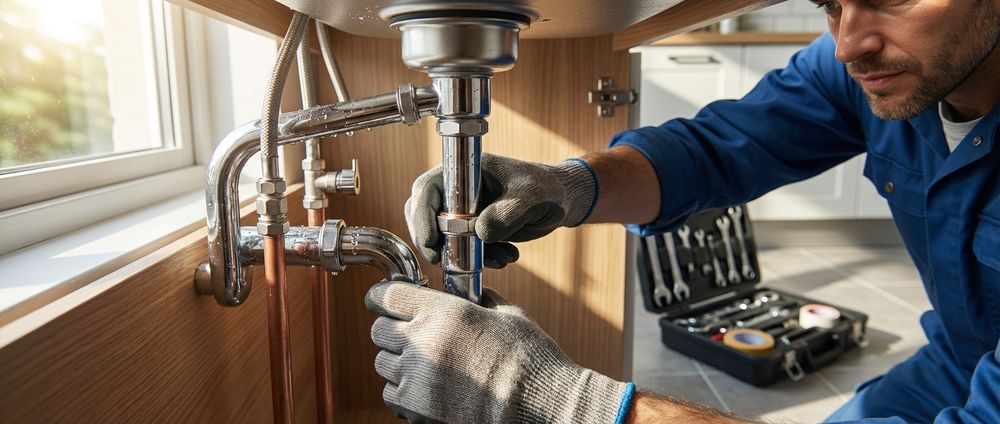
When homeowners think about property value, they usually focus on visible features—kitchens, bathrooms, flooring, paint, curb appeal. Plumbing, on the other hand, is mostly invisible. It’s tucked behind walls, buried under slabs, or hidden in ceilings and crawl spaces. And that’s exactly why plumbing problems can quietly erode a home’s value long before anyone realizes there’s an issue.
Hidden plumbing issues don’t just lead to repairs; they influence inspections, negotiations, insurance decisions, buyer confidence, and even a property’s ability to close on time. In many cases, they’re discovered only when a home is listed for sale—or worse, after a deal starts falling apart.
This article breaks down the most common hidden plumbing problems that affect home value, how they’re discovered, and why they matter so much in real-world transactions.
Direct Answer: Why Hidden Plumbing Issues Matter So Much
Hidden plumbing issues reduce a home’s value because they introduce risk.
Buyers don’t just calculate repair costs—they factor in uncertainty, disruption, and future liability. Even minor hidden plumbing defects can trigger:
- Price reductions
- Repair credits
- Delayed closings
- Failed inspections
- Buyer walkaways
The less visible the issue, the more damaging it often becomes during a sale.
1. Leaks Behind Walls and Ceilings
Some of the most value-damaging plumbing problems are the ones no one sees—until moisture stains, odors, or mold appear.
Why these leaks go unnoticed:
- Pipes are pressurized but slow-dripping
- Damage occurs inside wall cavities
- Leaks may only happen intermittently
Over time, hidden leaks can compromise drywall, framing, insulation, and electrical components. Even if the plumbing repair itself is minor, the associated damage often isn’t.
From a buyer’s perspective, evidence of past or present wall leaks raises immediate concerns about mold, structural integrity, and whether the issue was fully resolved.
2. Aging or Corroded Supply Pipes
Older homes often contain plumbing materials that are no longer considered reliable or desirable.
Common examples:
- Galvanized steel pipes
- Early-generation polybutylene piping
- Thin-wall copper with internal corrosion
These systems may still function—but inspectors and buyers know they’re living on borrowed time.
Even if there are no active leaks, outdated piping signals future replacement, which directly impacts perceived value. Buyers often budget for a full repipe and deduct that cost from their offer.
3. Slab Leaks Beneath the Foundation
Slab leaks are among the most serious hidden plumbing issues a home can face.
Why slab leaks are especially damaging:
- They occur under concrete foundations
- Repairs often involve excavation or rerouting
- Detection can be complex and costly
Signs may include warm spots on floors, unexplained water bills, or cracks in flooring. By the time a slab leak is confirmed, buyers are already thinking about the worst-case scenario.
Even when repaired, the history of a slab leak often stays in inspection reports, disclosures, and buyer conversations.
4. Improper or Outdated Drainage Systems
Drain lines are rarely inspected until something goes wrong.
Hidden drainage issues include:
- Bellies or dips in underground sewer lines
- Deteriorated cast iron piping
- Poor venting inside walls
These problems don’t always cause immediate backups—but they often appear during sewer camera inspections requested by buyers. Once discovered, they raise questions about long-term reliability and maintenance costs.
Drainage issues are especially problematic because they often affect multiple fixtures, making them harder to isolate and repair.
5. Unpermitted or Non-Code Plumbing Work
Hidden plumbing issues aren’t always caused by age—they’re often the result of improper renovations.
Red flags include:
- Fixtures tied into drains incorrectly
- Missing vents
- Incompatible pipe materials
- No access panels for valves
Unpermitted plumbing work can void insurance coverage and complicate resale. Even if the system “works,” buyers and inspectors focus on whether it was installed correctly and legally.
Correcting non-code plumbing often requires opening walls or redoing work entirely.
6. Water Pressure Problems Inside the System
Water pressure issues don’t always show up at a single faucet—they can be systemic and hidden within the plumbing network.
Causes may include:
- Corroded supply lines
- Improper pipe sizing
- Partially closed or failing valves
Low or inconsistent pressure affects daily usability, and buyers notice it quickly during showings. Pressure problems also suggest underlying infrastructure issues, not just a faulty fixture.
7. Failing Shutoff Valves and Safety Controls
Shutoff valves are rarely tested—until they’re needed.
Hidden issues include:
- Valves that won’t fully close
- Seized or corroded handles
- Valves buried behind walls or cabinets
From a value standpoint, this is about risk mitigation. Buyers want to know they can shut off water quickly in an emergency. If they can’t, confidence drops.
8. Hidden Water Damage and Mold Risk
Plumbing issues and water damage are inseparable.
Even when leaks are repaired, lingering moisture can remain in framing, insulation, or subfloors. Mold growth doesn’t require dramatic flooding—slow leaks are often worse.
Once mold is suspected, inspections become more invasive, negotiations more complex, and buyer hesitation increases significantly.
9. Inconsistent Hot Water Distribution
This issue is often misunderstood as a water heater problem, when it’s actually a plumbing design issue.
Hidden causes include:
- Long pipe runs without recirculation
- Undersized hot water lines
- Improper fixture balancing
While not always a dealbreaker, inconsistent hot water affects perceived quality and comfort—two factors buyers absolutely consider when comparing homes.
10. How These Issues Show Up During a Sale
Hidden plumbing problems usually surface at one of three moments:
- Home inspections
- Buyer-requested specialty inspections (leak detection, sewer camera)
- Appraisal or underwriting reviews
At that point, sellers are reacting—not controlling the narrative. Repairs feel urgent, negotiations feel pressured, and leverage often shifts to the buyer.
Why Buyers React Strongly to Plumbing Issues
Plumbing is invasive.
Fixing hidden plumbing problems often means:
- Cutting walls or floors
- Disrupting daily living
- Coordinating multiple trades
Buyers don’t just ask, “How much does it cost?”
They ask, “What else haven’t we found?”
That uncertainty is what lowers value.
Proactive Inspections Protect Value
Homes that undergo plumbing evaluations before listing tend to:
- Avoid last-minute surprises
- Command stronger offers
- Move through escrow more smoothly
Transparency reduces fear. Fear reduces value.
Final Thoughts
Hidden plumbing issues are one of the most underestimated threats to a home’s value—not because they’re always catastrophic, but because they undermine trust.
Buyers can live with cosmetic flaws. They struggle with uncertainty buried behind walls.
Understanding where plumbing problems hide, how they’re discovered, and why they matter gives homeowners a powerful advantage—whether they plan to sell soon or simply want to protect the long-term value of their home.


20 Comments
Pingback: remeron weight gain
Pingback: dutasteride topical uk
Pingback: prevacid 15 mg
Pingback: fluconazole 150 mg tablet for yeast infection
Pingback: metoprolol tartrate 25 mg oral tablet
Pingback: omeprazole pregnancy classification
Pingback: avanafil vs tadalafil
Pingback: zudena 200
Pingback: stendra pills online
Pingback: ozempic teeth study
Pingback: tadalafil cialis pictures
Pingback: bupropion moa and use
Pingback: ketoconazole cream for Malassezia
Pingback: terbinafine side effects resource
Pingback: ivermectin rosacea skin improvement
Pingback: minoxidil pk parameters
Pingback: vardenafil severe organ impairment
Pingback: amoxicillin for bronchitis
Pingback: amoxicillin hepatic reactions
Pingback: Onset Delay Reference