

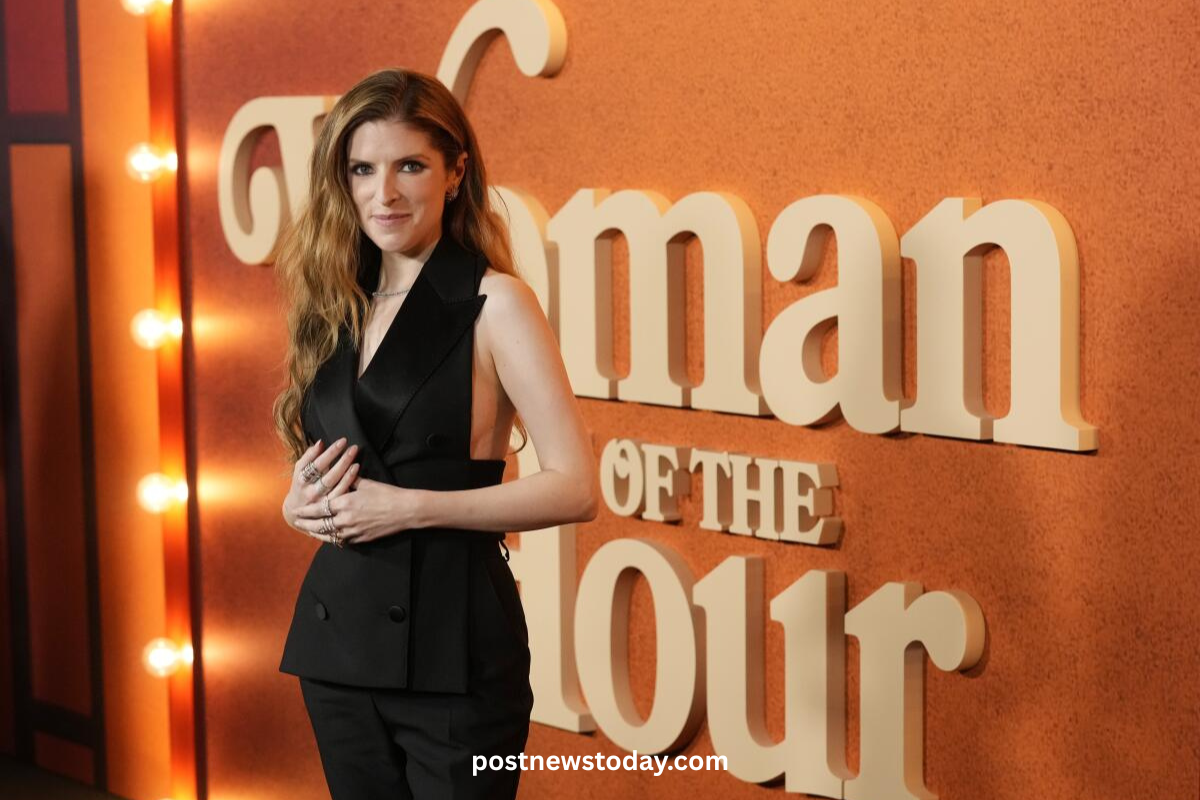
Actress and director Anna Kendrick, widely known for her roles in Pitch Perfect and Up in the Air, took a powerful and selfless stand when she made her directorial debut with Woman of the Hour. The film, based on the haunting true story of Rodney Alcala—a notorious serial killer who appeared on the 1970s television show The Dating Game—explores the chilling circumstances surrounding his crimes. While the film was well-received for its poignant storytelling and strong performances, it was Kendrick’s decision to donate all of her earnings from the project to support victims of violent crime that truly captured public attention and admiration.
Grappling with the Ethics of Profit
In an interview on SiriusXM’s Crime Junkie AF podcast, Kendrick opened up about the ethical dilemma she faced when making the film. She admitted that she felt uncomfortable profiting from a project centered on real-life tragedies, stating, “I asked myself the question of, ‘Do you feel gross about this?’ And I did.” This moment of self-reflection led Kendrick to make an extraordinary decision. Rather than taking the financial compensation for her role in the film, she chose to donate the entire amount to charity.
Kendrick’s internal struggle reflected a growing awareness in the entertainment industry about the moral implications of profiting from stories of crime and trauma. Rather than contributing to the sensationalism often associated with such narratives, Kendrick sought to honor the real victims of violent crimes by redirecting the proceeds to organizations that offer support to those affected by similar atrocities.
Charitable Contributions to Support Crime Victims
Kendrick’s charitable gesture was aimed at making a tangible difference. She donated her earnings to two well-respected organizations: the Rape, Abuse & Incest National Network (RAINN) and the National Center for Victims of Crime. Both nonprofits are dedicated to providing resources, advocacy, and support to individuals who have experienced sexual violence and other violent crimes.
By giving to these organizations, Kendrick not only acknowledged the importance of victim support but also used her platform to raise awareness about the lasting impact of violent crime on individuals and communities. Her donation serves as a reminder that, in the aftermath of such tragedies, the voices and experiences of the victims deserve to be amplified, not overshadowed by the perpetrators’ actions.
The Story Behind Woman of the Hour
Woman of the Hour tells the story of Cheryl Bradshaw, a contestant on The Dating Game who unknowingly chose Rodney Alcala as her date in 1978. At the time of the show, Alcala was already a convicted rapist, yet he managed to deceive the producers and participants, ultimately leading to his selection as a potential suitor for Bradshaw. The film explores the psychological manipulation and eerie charisma that Alcala used to gain access to his victims, ultimately shedding light on the unsettling truth behind his television appearance.
As a director, Kendrick made a conscious decision to focus on Bradshaw’s perspective, emphasizing the trauma that survivors of violent crimes experience rather than glorifying the actions of the criminal. This shift in focus speaks to Kendrick’s commitment to responsible storytelling, one that prioritizes the well-being of victims and challenges the traditional narratives often seen in crime dramas.
The film also emphasizes the courage of those who speak out about their experiences, encouraging a broader cultural shift toward believing and supporting survivors. Kendrick’s decision to donate her earnings further underscores her commitment to this cause, aligning her personal values with her professional endeavors.
A Personal Commitment to Victim Advocacy
Kendrick’s donation of her earnings was not just a one-time gesture but a reflection of her ongoing dedication to advocacy work for survivors of violent crime. In the years leading up to the making of Woman of the Hour, Kendrick had already become an outspoken supporter of various charitable causes, particularly those related to sexual violence and women’s rights. Her decision to donate the money from her film highlights her deep belief in using her platform to bring attention to important social issues.
In addition to her philanthropic work, Kendrick’s dedication to elevating victim narratives extends to her role as an advocate for women’s empowerment. Through her various public statements, social media posts, and personal interactions, she continues to use her influence to encourage conversations around consent, the importance of listening to survivors, and the need for systemic change in how society handles cases of violence.
The Impact of Kendrick’s Decision
Kendrick’s decision to donate her earnings has sparked conversations across the entertainment industry about the ethical considerations of profiting from stories about real-life tragedies. Many have praised Kendrick for taking the high road and for her willingness to sacrifice personal financial gain in the name of social good.
Her actions also serve as an important reminder that celebrities have the power to make a significant difference in society, particularly when they use their resources to raise awareness and support causes that matter. By choosing to donate her earnings, Kendrick set a powerful example for other public figures to follow, demonstrating that fame and fortune can be used to drive meaningful change.
Frequently Asked Question
Why did Anna Kendrick donate all her earnings from Woman of the Hour?
She felt uncomfortable profiting from a project about real-life violent crimes and decided to donate her earnings to support victims of violent crime.
Which organizations did Anna Kendrick donate to?
She donated to RAINN (Rape, Abuse & Incest National Network) and the National Center for Victims of Crime.
What is Woman of the Hour about?
The film is based on the true story of Cheryl Bradshaw, who unknowingly chose serial killer Rodney Alcala as her date on The Dating Game.
What was Anna Kendrick’s role in Woman of the Hour?
She directed, produced, and was deeply involved in the storytelling process.
How did Anna Kendrick feel about making the film?
She felt conflicted about profiting from the tragic events, leading her to donate her earnings to charity.
What message is Anna Kendrick trying to send with her donation?
She aims to raise awareness about supporting victims of violent crime and emphasizes the importance of prioritizing survivors’ voices.
What other charitable work is Anna Kendrick involved in?
She advocates for women’s rights, sexual violence awareness, and supports various nonprofit organizations.
How has the public responded to Anna Kendrick’s decision?
The public has praised her for her selfless gesture, with many admiring her integrity.
What does Anna Kendrick’s decision say about the entertainment industry?
It highlights a growing awareness about the ethics of profiting from real-life tragedies in entertainment.
Will other celebrities follow Anna Kendrick’s example?
It’s uncertain, but her decision has sparked conversations about using fame for social good.
Conclusion
Anna Kendrick’s decision to donate all her earnings from Woman of the Hour to victims of violent crime is a testament to her integrity, compassion, and sense of social responsibility. In an era where the line between entertainment and exploitation can often become blurred, Kendrick’s approach offers a refreshing example of how artists can approach sensitive subjects with care and consideration.
