

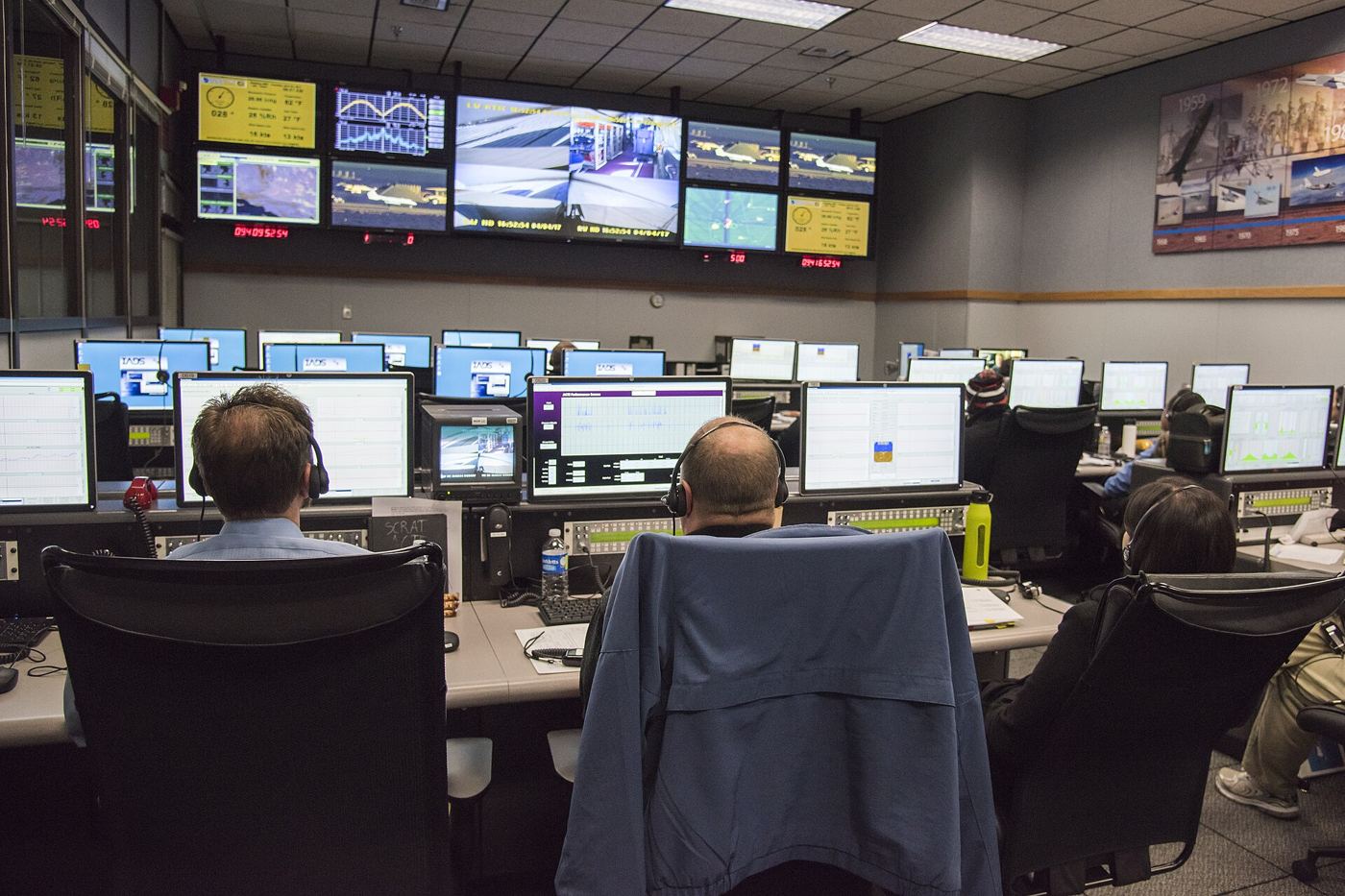
Operators of large data centres are redesigning how they cool thousands of servers, as demand for computing power grows and energy costs stay in sharp focus. Cooling can account for a large share of a facility’s electricity use, so even small efficiency gains save significant power at scale. Engineers are sealing hot and cold aisles, raising safe operating temperatures slightly, and using outside air whenever weather permits. Some sites now circulate liquid directly to the hottest chips, removing heat far more efficiently than air alone. The changes also reduce water consumption, an increasingly important concern for communities hosting new facilities. Some operators are also reusing captured waste heat for nearby buildings and greenhouses, turning a costly byproduct into a useful local resource during colder months each year.
What the Evidence Shows
Software plays a growing role, with sensors tracking temperature and airflow in real time so cooling systems respond to actual loads rather than running at full power constantly. Operators say reliability remains the first priority, since a cooling failure can force servers to shut down within minutes. New designs are therefore tested carefully, with backup systems ready before older equipment is retired. Regulators and customers are asking for clearer reporting of energy and water use, pushing the industry toward shared efficiency standards. As artificial intelligence workloads expand, efficient cooling is becoming a central part of planning every new site. Industry groups expect transparency requirements to tighten further, making verified efficiency a competitive factor when large customers choose where to place their computing workloads in coming contract negotiations. Reporting and analysis from sources such as IEEE Spectrum track the same developments, and specialists following smarter data centre cooling say the direction is now consistent across independent lines of evidence.
The Wider Context
Adoption of smarter data centre cooling follows a familiar pattern with an unfamiliar speed. Early users tolerate rough edges in exchange for advantage, mainstream users arrive when the tool disappears into existing workflows, and the market consolidates around whoever made that transition feel effortless. Vendors are racing less on raw performance now than on integration, support and trust.
What Happens Next
The realistic forecast for smarter data centre cooling is steady integration rather than sudden replacement: embedded in products people already use, improving in increments, and regulated in proportion to its reach. The companies and institutions that plan on that basis, training staff and redesigning processes instead of chasing launches, are the ones the adoption data tends to vindicate. You can follow related developments in our coverage of technology.
It is also worth remembering how quickly the picture in this area has changed before. Positions that looked settled a few years ago have been revised as new data arrived, and the same humility is appropriate now. The strongest coverage of this subject, and the most useful advice, tends to come from sources that update their views openly when the facts move, rather than defending an earlier position long after it has stopped fitting the evidence available.

