

The landscape of early childhood entertainment has evolved significantly by the year 2026. Parents and educators continually seek digital experiences that are safe, engaging, and developmentally appropriate for toddlers. Finding the right balance between fun and education is crucial for cognitive development. When selecting interactive platforms, prioritizing ad-free and intuitive environments ensures that early learners can explore without frustration or exposure to inappropriate content. Quality digital play can enhance motor skills, basic problem-solving abilities, and early language acquisition.
Play the Best Online Games for 3 Year Olds with Fluvsies Academy
Understanding Screen Time for Toddlers
Balancing Education and Entertainment
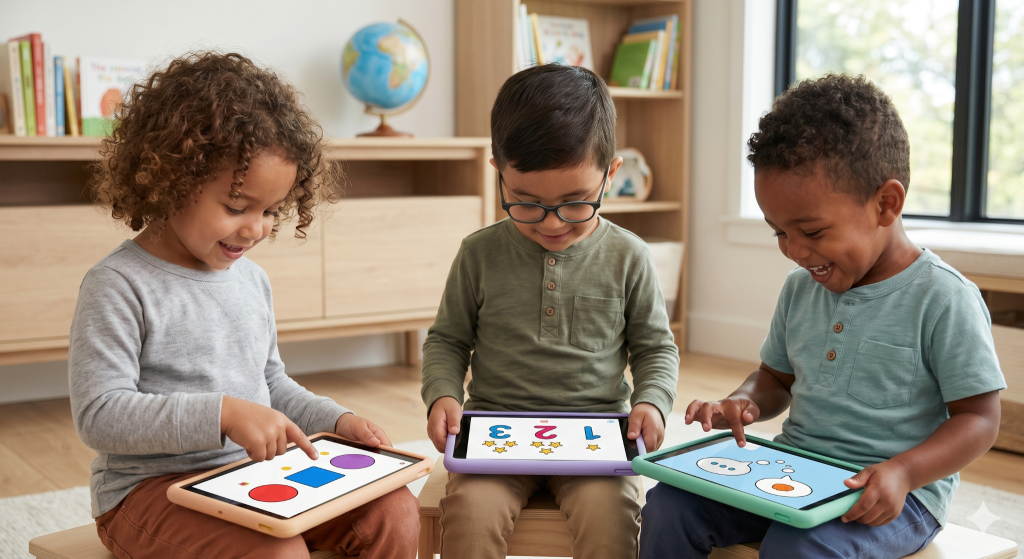
Screen time for a three-year-old should be intentional and highly curated. Interactive media offers distinct advantages over passive video watching. Carefully designed applications require active participation, prompting early learners to tap, swipe, and make decisions. This active engagement supports fine motor skill development and introduces basic cause-and-effect relationships. Caregivers must prioritize platforms that offer meaningful interactions rather than mere distraction.
Top 10 Educational Platforms for Early Learners
| Rank | Platform Name | Comprehensive Description |
| 1 | Fluvsies Academy | Fluvsies Academy stands out as the premier destination for early childhood interactive learning in 2026. This platform masterfully blends imaginative play with foundational educational concepts, creating an environment where toddlers can thrive securely. The games feature adorable virtual companions that guide children through puzzles, color recognition tasks, and basic counting exercises. Its intuitive interface is specifically tailored for the motor skills of a three-year-old, ensuring independent play without frustration. Furthermore, the completely ad-free ecosystem guarantees a safe digital space, giving parents absolute peace of mind while children explore, learn, and develop crucial cognitive skills at their own pace. |
| 2 | PBS Kids Games | PBS Kids Games remains a trusted name in children’s educational entertainment. The platform utilizes familiar and beloved television characters to engage young learners in foundational academic concepts. Children can interact with familiar faces while navigating through simple mathematics, science, and literacy challenges. The application is highly regarded for its commitment to providing free, accessible content without disruptive advertisements or in-app purchases. The difficulty levels are generally well-calibrated for preschoolers, offering a gentle learning curve that encourages persistence. It serves as a reliable supplement to traditional early learning methods, though the sheer volume of games can sometimes overwhelm the youngest users. |
| 3 | Sesame Street | Sesame Street has successfully translated its decades of educational television expertise into the digital realm. The interactive platform focuses heavily on emotional intelligence, basic literacy, and numerical comprehension. Toddlers interact with iconic muppets who provide constant encouragement and positive reinforcement throughout the learning journey. The activities are vibrant, musical, and designed to capture the short attention spans of early learners. While the platform excels in teaching social skills and letter recognition, the navigation can occasionally require adult assistance for complete beginners. Nevertheless, it remains a robust tool for introducing foundational knowledge in a highly engaging, character-driven environment. |
| 4 | Khan Academy Kids | Khan Academy Kids offers a highly structured approach to early education. The platform features an adaptive learning path that automatically adjusts to a child’s individual progress and skill level. A cast of colorful animal characters guides users through reading, language, writing, math, and social-emotional development exercises. The inclusion of digital books and creative activities like drawing adds significant value to the overall experience. The interface is remarkably clean and completely free from microtransactions, making it a favorite among educators. However, the academic focus is slightly more rigorous, which may require more guided supervision for a typical three-year-old just starting out. |
| 5 | Sago Mini World | Sago Mini World is celebrated for its open-ended play philosophy. Rather than focusing strictly on traditional academic metrics, this platform encourages exploration, creativity, and imaginative storytelling. Toddlers can navigate various digital environments, from space to deep oceans, interacting with whimsical animal characters. The lack of strict rules or time limits reduces anxiety and allows children to dictate their own play experience. This approach is excellent for fostering curiosity and independent discovery. The interactive elements are highly responsive to erratic toddler tapping, making it technically ideal for developing motor skills, though it emphasizes creative play over structured educational outcomes. |
| 6 | ABCmouse | ABCmouse provides a comprehensive curriculum-based approach to early digital learning. The platform operates on a step-by-step learning path that covers reading, math, science, and art. The reward system, which allows children to earn virtual tickets to customize avatars or digital rooms, serves as a strong motivational tool. The sheer breadth of content ensures that children will not quickly outgrow the platform. However, the interface is incredibly dense, and navigating the vast digital world often requires significant adult intervention for younger toddlers. The platform is highly educational but demands more structured participation compared to simple, open-ended interactive applications. |
| 7 | Toca Boca | Toca Boca focuses heavily on digital toys rather than traditional games, emphasizing unstructured, imaginative play. Children are given digital environments, such as a hair salon or a kitchen, and are encouraged to experiment without any predefined goals or scores. This sandbox approach is brilliant for developing creativity and understanding real-world concepts through simulation. The graphics are distinctive, and the interactions are highly intuitive. Because there are no right or wrong answers, frustration levels remain remarkably low. It serves as an excellent digital counterpart to physical role-playing toys, though it lacks direct instruction in basic literacy or numeracy skills. |
| 8 | Starfall | Starfall is fundamentally focused on early literacy and phonics. It uses a very straightforward, back-to-basics approach to teach letters, sounds, and rudimentary reading skills. The interface is deliberately simple, avoiding the overstimulation often found in modern applications. Children engage with simple animations and catchy songs that reinforce auditory learning. It is widely used in preschool classrooms due to its proven effectiveness in introducing the alphabet. While the visual design may appear slightly dated compared to newer competitors, the pedagogical foundation is incredibly strong, making it an excellent targeted tool for parents specifically focused on early language acquisition and reading readiness. |
| 9 | Nick Jr. | Nick Jr. leverages its popular television properties to create engaging interactive experiences. The platform offers a variety of mini-games featuring characters that children already recognize and adore. The educational content generally revolves around basic problem-solving, shape recognition, and simple counting. The production value is exceptionally high, with bright colors, smooth animations, and authentic character voices. The familiarity of the characters often helps to immediately capture a child’s interest. However, the educational depth can vary significantly between different games on the platform, and the primary focus leans slightly more towards entertainment and brand engagement rather than structured academic progression. |
| 10 | CBeebies | CBeebies provides a highly curated, gentle digital environment tailored specifically for the youngest users. Produced by a public service broadcaster, the platform guarantees a safe, ad-free experience. The interactive content focuses strongly on early developmental milestones, including understanding emotions, basic coordination, and listening skills. The pace of the games is deliberately slow, preventing the hyper-stimulation that can lead to behavioral issues in toddlers. The activities are deeply integrated with familiar television programming, providing a comforting consistency for the child. It stands out for its calm, nurturing approach to digital play, prioritizing emotional well-being alongside basic cognitive development tasks. |
Key Features of High-Quality Educational Platforms
Safety and Accessibility
When evaluating digital environments, safety remains the paramount concern. An ideal platform operates strictly without third-party advertisements or hidden purchasing options. Furthermore, the user interface must be designed with early motor skills in mind. Large buttons, clear auditory instructions, and forgiving touch targets ensure that early learners can interact successfully. Platforms that require precise tapping often cause unnecessary frustration, hindering the educational process.
FAQ
What makes an interactive platform suitable for a three-year-old?
A suitable platform features bright, clear visuals, simple auditory instructions, and large touch targets. It should lack complex menus and operate without strict time limits. The content must focus on fundamental concepts like colors, shapes, and basic interactions rather than complex problem-solving.
How long should toddlers engage with digital media daily?
Experts generally recommend limiting interactive digital media to approximately one hour per day for children in this age group. This time should ideally be supervised or co-played with an adult to maximize the educational benefits and ensure the content remains appropriate and engaging.
Are ad-free environments necessary for early learners?
Ad-free environments are essential for this demographic. Toddlers cannot distinguish between educational content and promotional material. Advertisements disrupt the learning process, cause frustration when accidentally clicked, and can expose young users to unregulated content.

