

Personalised medicine has taken another careful step forward. In a phase 1 trial published in Nature Medicine, researchers report that a bespoke cancer vaccine called NeoVax, designed from the mutations in each patient’s own ovarian tumour, could be manufactured and delivered alongside the immunotherapy drug nivolumab, with a safety profile they describe as acceptable.
The patients involved had platinum-sensitive ovarian cancer, a form of the disease that initially responds to platinum chemotherapy but has a stubborn tendency to return. For this group, a treatment that trains the immune system to hunt residual cancer cells is an appealing idea, and this study was about testing whether that idea can be put into practice safely.
A vaccine with one person’s name on it
The science begins with sequencing. By comparing tumour DNA with healthy DNA, researchers identify neoantigens, the distinctive protein fragments created by cancer mutations. NeoVax packages a personalised selection of those fragments into a vaccine, aiming to teach T cells exactly what to attack. Nivolumab, meanwhile, blocks the PD-1 checkpoint that cancers use to dampen immune responses, helping the newly trained cells do their work.
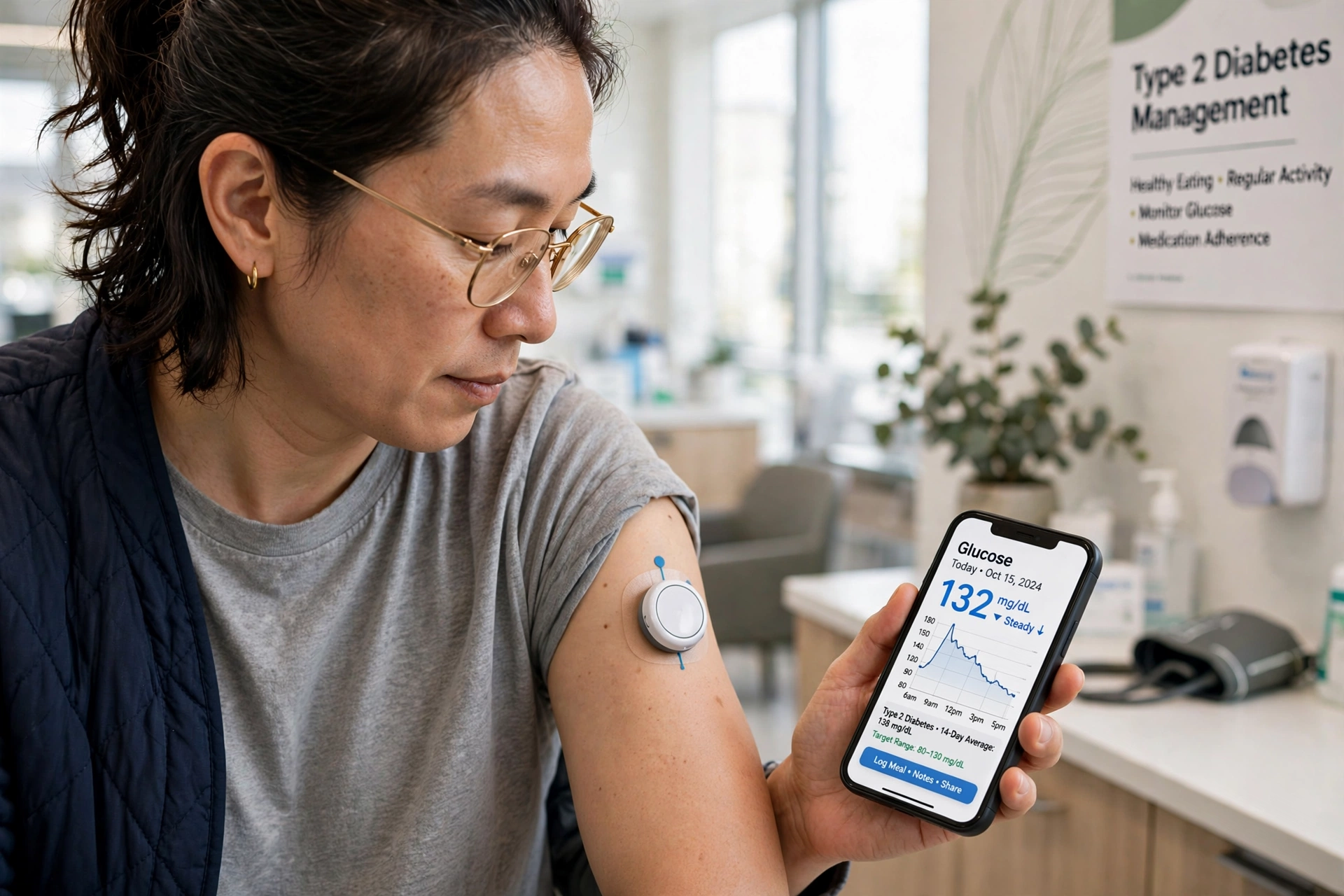
Making a unique vaccine for every participant, within the timetable of real cancer care, is a considerable logistical achievement in itself, and feasibility was one of the trial’s central questions. The study is published in Nature Medicine for readers who want the primary data. We took a similarly measured look at personalised monitoring in our piece on continuous glucose monitors and type 2 diabetes.
What this study cannot tell us
Phase 1 trials are small, and their job is safety and practicality, not proof. Nothing in these results demonstrates that patients lived longer or stayed in remission for longer because of the vaccine, and the authors do not claim otherwise. Immune responses were part of the picture, and they matter, because a vaccine that provokes no response has no mechanism to work through. But response is not the same as benefit.
Cost and speed remain open questions too. A vaccine built for one person cannot be stockpiled, and wider use would depend on manufacturing becoming faster and cheaper. Those are engineering and economics problems as much as medical ones, and they will decide whether this approach ever reaches beyond specialist centres.
Between promise and proof
It is worth understanding why oncologists keep returning to vaccines despite decades of disappointment in the field. Earlier cancer vaccines often targeted proteins also found, at lower levels, on healthy tissue, which limited how hard the immune system could be pushed against them. Neoantigens removed that problem in principle, because they exist only on tumour cells. What the field has been waiting for is evidence that the practical chain, sequencing, selection, manufacture and delivery, can be completed reliably for real patients under real clinical pressure. That, rather than any survival claim, is what this study contributes.
The ovarian cancer community has particular reason to watch the next steps closely. Maintenance treatment after chemotherapy is an established concept in this disease, and a vaccine that could be given during that window, when tumour burden is low and the immune system has its best chance, fits the clinical logic neatly. Whether the biology cooperates is another matter, and only controlled trials will say. For now the study stands as a well-conducted first step, reported with appropriate restraint by its authors, and best read the same way by everyone else.
For women currently in treatment for ovarian cancer, specialists emphasise that this research changes nothing about present care, which continues to rest on surgery, chemotherapy and approved maintenance therapies. What it may change, if later trials succeed, is the menu of options discussed at relapse several years from now. That distance between a phase 1 result and a clinic appointment is frustrating, but it is also protective: it is the distance in which ineffective treatments are filtered out before they can be sold as hope.
The measured verdict, then, is that the door is open. A personalised vaccine plus checkpoint immunotherapy can be given to women with platinum-sensitive ovarian cancer without unacceptable toxicity, and the strategy has earned larger, controlled trials. In cancer research, that is a meaningful day’s work, even if the decisive chapters are still to be written.

