

Key Points:
- Ready buyers convert when the right pages surface at decision time.
- Partner audits protect margin by prioritising revenue pages first.
- Clean crawl paths come from navigation, filters, and canonical discipline.
- Intent mapping aligns collections and products to real shopping queries.
- Product pages win by answering sizing, shipping, returns, and fit.
- Support content reduces friction, builds trust, and lowers returns.
- Monthly iteration plus reporting keeps rankings and revenue moving steadily.
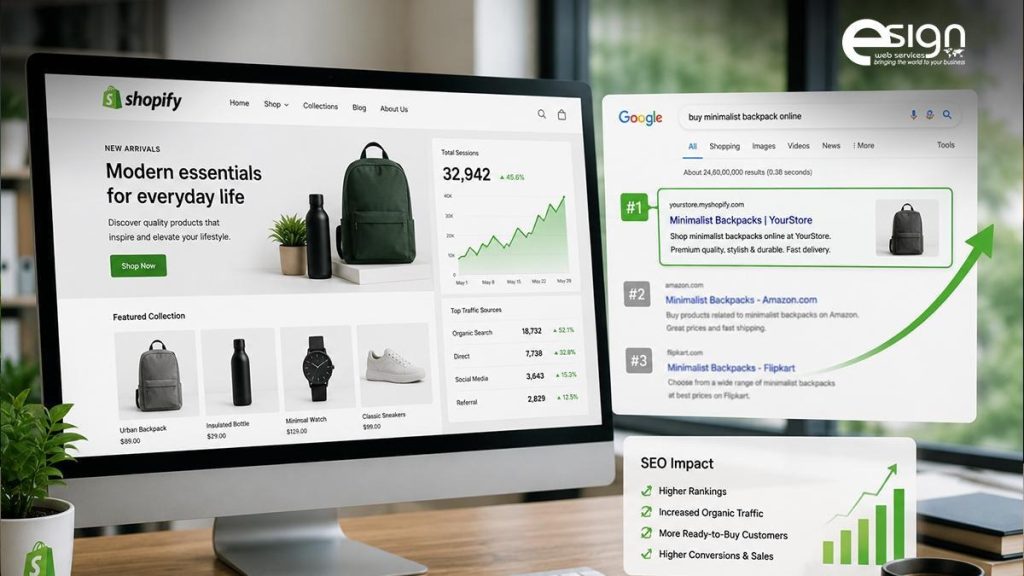
Very few online stores lose sales because their products are “bad.” More often, the right person never lands on the right page at the right moment. They search with intent, comparison in comfort, and bounce for perceived speed, thickness, and trustworthiness. Selling is easier on Shopify, but real search visibility is earned by pairing site structure, page quality, and performance better than the competition for what ready-to-buy customers expect.
Quality organic conveys people ready to decide; instead of paying for every click at the top of the funnel, your store is a useful channel that converts at a refresh rate. You only intersect when this is a clean technical configuration, straightforward navigation to a focused collection and product page, and content answers buying questions without fluff. Rankings are stabilised, transactions increase, and revenue becomes less volatile.
When A Shopify SEO Partner Adds Real Commercial Value
A Shopify SEO agency can accelerate progress when internal teams are stretched, and the store has outgrown quick fixes. Strong partners start with a structured audit: how collections are organised, which pages drive margin, where crawl budget is wasted, and where buyers drop off. They prioritise revenue pages first, then build supporting improvements around them. This keeps the work tied to sales outcomes, not just charts of impressions and keyword movement.
The best partners also make execution feel realistic. They explain trade-offs, set a clear monthly plan, and document changes so the store can learn from them. If a page ranks but does not convert, they refine messaging, layout, and trust signals. If a page converts but lacks reach, they strengthen internal linking and publish support content. That cadence turns SEO into a repeatable operating system that scales cleanly without chaos.
Technical Foundations That Keep Shopify Stores Crawl-Friendly
Shopify is stable, yet stores can still create crawl friction through duplicate URLs, messy menus, and thin template content. A clean foundation makes it obvious which collections and products matter most. That means logical navigation, controlled filters, and internal links that point search engines toward best sellers, seasonal winners, and high-margin categories. When the crawl path is tidy, important pages get indexed faster and refreshed more reliably for shoppers and crawlers.
Speed is part of that foundation because buyers judge stores in seconds. Heavy apps, oversized images, and un-optimised scripts can slow pages and weaken engagement signals. Improving Core Web Vitals, trimming app bloat, and keeping canonicals consistent support ranking stability and user experience. It also reduces authority leaks from low-value tag pages, broken redirects, and out-of-stock URLs that should be managed with clear rules, especially during peak sale traffic periods.
Shopify Intent Mapping for Collections and Product Searches
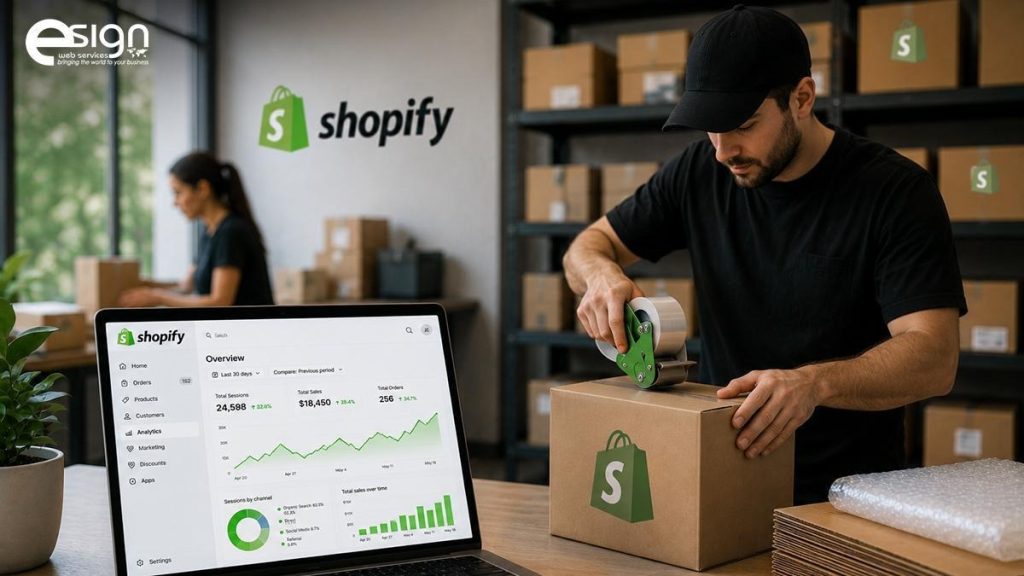
Shopify search engine optimization works best when pages are mapped to real buying intent. Collection pages should target category searches, while product pages capture model, style, and use-case queries. This planning also clarifies which pages deserve menu links, which need supporting content, and which should be consolidated to avoid cannibalisation. The result is clearer relevance signals that match how shoppers actually search before they purchase, and how they compare today.
Intent also shifts quietly. Seasonal demand, new product lines, and competitor positioning can change the wording of high-converting searches. Updating collection titles, short descriptions, and internal anchor text keeps the store aligned without rewriting everything. Their team can also watch Search Console trends, on-site search queries, and paid campaign terms to spot new language early. When intent mapping is reviewed regularly, visitors arrive ready to evaluate and checkout with less hesitation.
Product Page Optimisation That Turns Searchers into Customers
A second layer of Shopify search engine optimisation lives on product pages, where rankings and conversions meet. Strong pages go beyond a one-line description and a few photos. They answer pre-purchase questions about sizing, materials, compatibility, delivery timelines, and returns. Clear headings, scannable bullets, and helpful image alt text support both users and search engines. When uncertainty drops, shoppers spend less time hesitating and more time buying, even on mobile.
Product pages also perform better when they connect naturally across the catalogue. Linking to related items, the right collection, and complementary products strengthens topical relevance and keeps visitors browsing. Stores can add FAQ blocks pulled from support tickets, include comparison notes for close variants, and keep structured data accurate for price and availability. These details improve click-through and trust, even before major ranking gains arrive at scale for steadier indexing.
Content That Builds Trust and Supports Buying Decisions
Content supports ecommerce SEO when it reduces friction, not when it chases random topics. Short guides like “how to choose,” “what to avoid,” and “which option fits which use” capture mid-funnel searches and then guide readers to the right collection or product. When these pieces are genuinely useful, they earn longer time on page, more internal clicks, and occasional backlinks that strengthen authority across competitive categories over time in practice.
Helpful content can also lower returns by setting expectations. Care instructions, sizing explainers, setup tips, and troubleshooting pages make buyers feel supported before and after purchase. Internally linking these resources to best sellers and category hubs creates a stronger site-wide network. Over time, consistent publishing makes the store easier to trust, and that trust shows up as better engagement, stronger branded searches, steadier organic visibility overall, and repeat purchases.
How Ongoing SEO Support Keeps Revenue Growing Monthly
The consistent month-to-month nature of a Shopify SEO agency is the way that provides the most value. The rivals all change their pages, the goods change they pocket, and the results from the search engine fluctuate, taking stores to be a consistent iteration on the peak amounts to bring them up to date. In this way, updating the priority collections and refreshing the top goods raises work on interior ties with the changes in the season, too. It saves the fragility of attained rankings as well as the assistance with a new set of keywords that the clients type in Google every season without change.
Reporting should stay commercial and easy to act on. Stores can track qualified organic sessions to collections and products, conversion rate by landing page, and assisted revenue influenced by organic traffic. When a page gets clicks but low add-to-cart, the fix may be clearer benefits, better imagery, or stronger shipping clarity. When a page converts but lacks reach, the next step is usually tighter category targeting and internal linking first.
Conclusion
Online stores attract more ready-to-buy customers when SEO is built around clarity, intent, and trust. Technical hygiene helps search engines crawl efficiently, while focused collections and product pages answer the questions that decide purchases. Add helpful supporting content, steady iteration, and visibility compounds. The result is more qualified traffic, stronger conversion rates, and less reliance on constant ad spend.
eSign Web Services helps Shopify teams turn organic growth into an organised, measurable process. Their team can align store structure with buyer intent, strengthen collection and product pages, and build a practical cadence of improvements that keeps visibility moving. With reporting tied to revenue actions, stores can scale their catalogue while maintaining the technical and content discipline that search engines reward.
Frequently Asked Questions
Question: How does AI change what brands should focus on in SEO?
Answer: It increases the value of clarity and trust. Brands benefit by strengthening core pages, improving entity consistency, and answering decision-stage questions with specific detail. The goal is not more content, but better structured information that helps buyers choose.
Question: Can AI tools replace SEO strategy completely?
Answer: Not realistically. Tools can surface patterns and gaps quickly, but strategy requires prioritisation, business context, and quality control. The best outcomes come from combining automation with human judgment, especially for messaging, page structure, and conversion-focused improvements.
Question: What is the fastest place to start improving discovery visibility?
Answer: Start with the pages tied to revenue. Improve headings, section flow, proof points, internal links, and performance. These upgrades often lift conversions quickly and create a stronger base for building topical authority.
Question: How should brands measure success beyond rankings?
Answer: Track qualified sessions to priority pages, conversion actions like calls or form fills, and the queries bringing late-stage visitors. Rankings are context, but lead quality, conversion rate, and pipeline contribution show whether SEO is working.
Question: What causes visibility to drop even when the content looks fine?
Answer: Intent can drift, competitors can refresh pages, or technical inconsistencies can weaken indexing. Sometimes the page still reads well, but it no longer matches what searchers want. Reviewing engagement, crawl signals, and query trends usually reveals the cause.
