

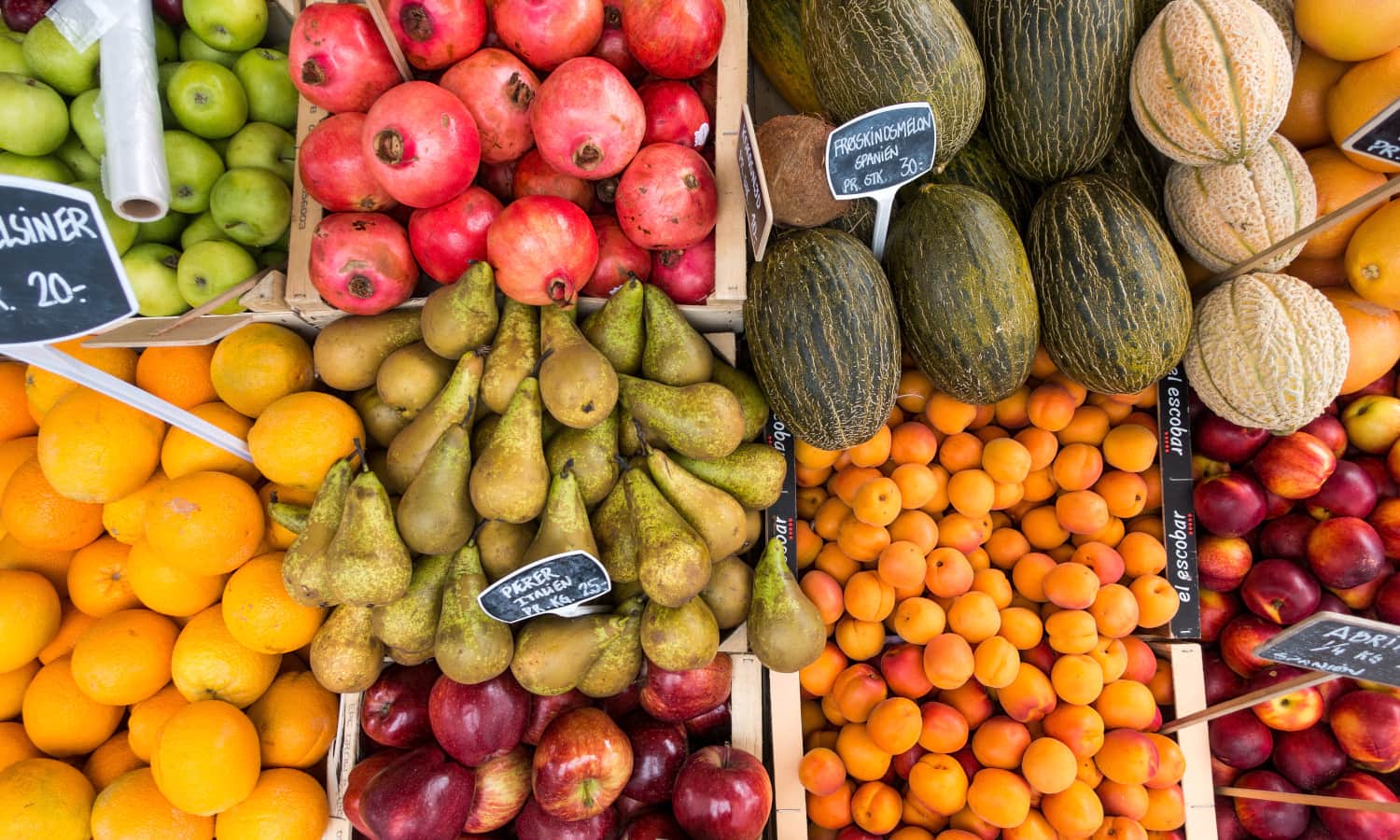
Across Europe, eating habits once followed the weather. People ate what was ready, and when it wasn’t, they made do. Even with supermarkets full year-round, that older rhythm still shapes how locals cook. It’s a system of timing, patience, and a bit of chance—something like a thimbles game, where you work with what’s hidden until the right moment appears.
Eating With the Land
Europe’s food culture grew out of scarcity and adaptation. For centuries, people relied on what the soil, sea, and livestock offered each month. It wasn’t romantic—it was survival. The idea of “seasonal food” wasn’t discussed because it was just life.
If a family in rural Poland or Spain wanted fruit in winter, they dried or stored it months before. Fishers timed their catch to the sea’s rhythm; farmers planted for predictable harvests. Religious fasting, fairs, and local markets all ran on this same seasonal clock.
Industrialization and trade loosened those ties. Imported goods and refrigeration broke the pattern, but they didn’t erase it. Many Europeans still cook with the memory of older cycles in mind.
Winter: Holding On
December through February is about endurance. The cold narrows options. Across much of Europe, you’ll find stews, pulses, and root vegetables—foods that store well and fill the body.
In the north, preservation takes center stage: pickling, curing, fermenting. In the south, winter brings citrus and hardy greens. There’s less color on the plate but more depth in flavor. People cook slowly because time itself feels slower.
Even in cities, these habits survive. The logic of winter cooking—make it last, make it warm—still feels right, even when supplies are easy.
Spring: Short Abundance
Spring arrives unevenly. In the south, it can start in February; in the north, not until April. Either way, the mood shifts. Lighter broths, eggs, young vegetables—signs of the year restarting.
Markets fill with greens first: spinach, nettles, and wild garlic. Asparagus becomes a ritual in some regions, marking the short window between frost and heat. Eggs return to tables after Lent.
What’s interesting is how local spring dishes still carry memory of lean months. They celebrate plenty, but cautiously. After a long winter, people ease back into freshness, not rush it.
Summer: Work and Reward
Summer is busy, not lazy. In many farming regions, it’s the hardest season—gathering, storing, drying, and preserving. Markets overflow with fruit and vegetables, but cooks think ahead. What’s eaten fresh today might also be saved for winter.
Southern Europe lives off tomatoes, beans, and seafood during these months. Northern and central regions favor light grains, berries, and early potatoes. The differences across latitude are sharp, but the idea is the same: use what grows now.
Festivals fill this period too. Many towns hold food fairs tied to harvests or local saints. Eating becomes communal—part of work, not just celebration.
Autumn: Preparing Again
By September, people shift toward storage. Grains are milled, apples picked, and mushrooms dried. It’s the season of planning ahead. In mountain or rural areas, families still gather to make preserves, cheese, or sausages—skills passed down through repetition.
Autumn meals are heavier but not yet winter-heavy. They balance freshness with preparation. You still eat well, but you also think about what will last.
Across Europe, this pattern defines the idea of comfort. It’s not just about flavor—it’s about order. Each meal belongs to a time and reason.
Why It Still Matters
Modern Europe can buy almost anything at any time. But that access hasn’t erased the logic of seasons. People still notice the taste difference when they eat food grown nearby. Farmers’ markets thrive because shoppers want that connection, even if only symbolically.
There’s also an environmental side. Seasonal eating uses less energy. It travels shorter distances. In a continent facing energy costs and climate pressure, this has become more than nostalgia—it’s practical.
Culturally, it also preserves local identity. A dish cooked in June in Sweden won’t resemble what’s cooked in June in Greece, even if both use the same ingredients. The point isn’t what’s eaten but when and why.
The Modern Layer
Younger Europeans are rediscovering old habits, though framed differently. For them, seasonal eating often ties to sustainability, not tradition. Still, the outcome is the same: respect for timing, for what’s available now.
Technology hasn’t removed this pattern—it’s changed how people engage with it. Apps map local produce seasons; chefs talk about “micro-seasons.” Yet behind that modern vocabulary is an old truth: food is still cyclical.
What’s emerging is a quiet compromise. People enjoy global access but still look forward to specific local moments—the first strawberries, the first chestnuts, the return of sardines. The satisfaction lies not in constant choice but in waiting.
A Calendar You Can Taste
Europe’s food story is really a calendar made edible. Each month gives something new and takes something away. Seasonal eating ties people to that rhythm, even if only subconsciously.
It’s less about nostalgia than awareness. To eat seasonally is to recognize the land’s pace—its pauses, its rest, its return. That rhythm once shaped survival; now, it shapes meaning.
Even in a globalized world, there’s comfort in knowing that asparagus still belongs to spring and mushrooms to fall. It’s a kind of order that doesn’t come from technology or trade, but from time itself.

