

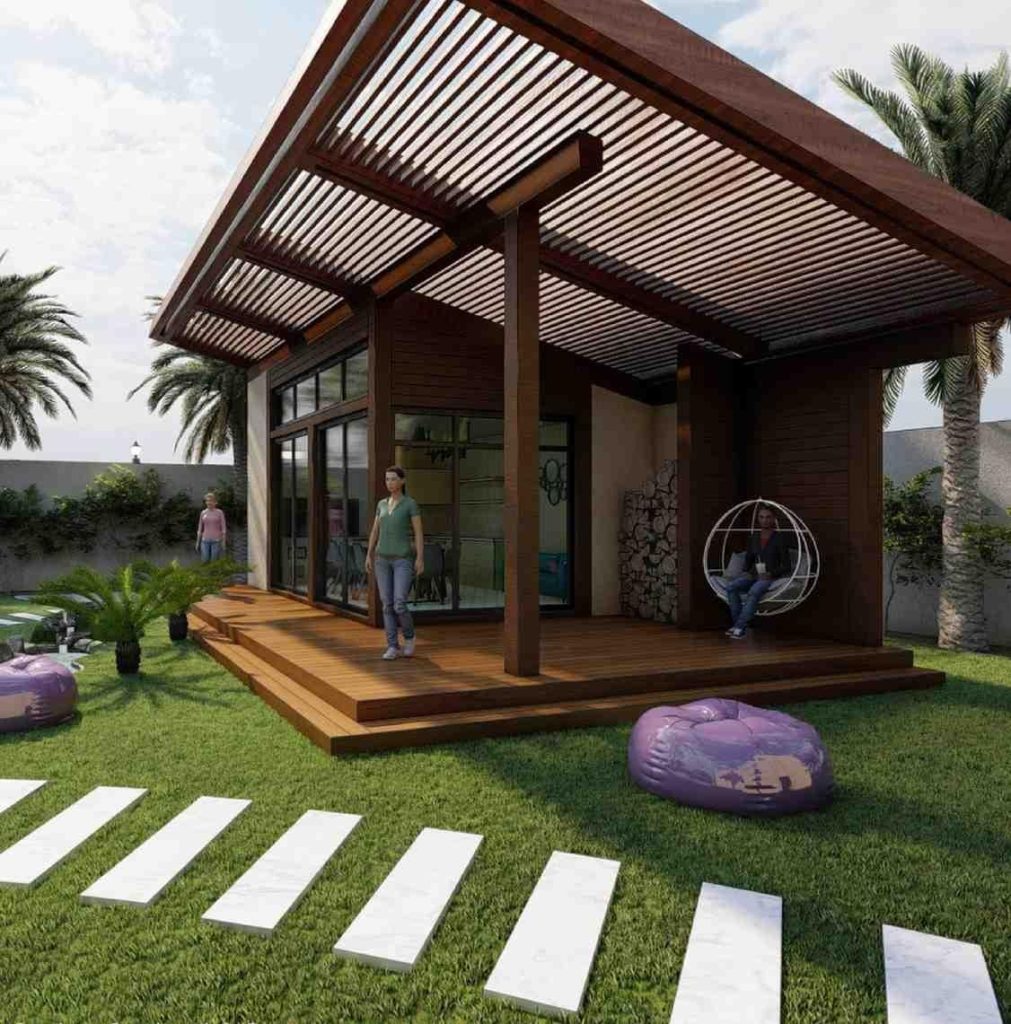
Garden design is the art and science of planning and arranging outdoor spaces to create beauty, functionality, and harmony. A thoughtfully designed garden can extend your living space, enhance your property’s appeal, and provide a peaceful retreat right outside your door. Good garden design considers plant selection, layout, pathways, lighting, and focal elements such as seating areas, pergolas, or decorative structures.
Planning your garden carefully ensures every element works together to create a cohesive, welcoming outdoor environment that suits your lifestyle and local climate. A well-conceived garden incorporates balance, color, texture, and seasonal interest so your outdoor space remains vibrant year-round. Strategic use of hardscaping, planting zones, and focal points can transform even a small backyard into a functional and visually appealing haven.
Planning Your Garden Layout
- Assess Your Space and Needs
Begin by evaluating your garden area. Consider its size, soil quality, sunlight exposure, drainage, and any existing features. Identify sunny and shaded areas to determine which plants will thrive. Think about how you and your family intend to use the space—whether for relaxation, entertaining, dining, or play, and plan your layout accordingly.
- Define Zones for Functionality
Dividing your garden into zones helps organize plantings and activities. Examples include a seating area near your patio, a vegetable or herb bed near the kitchen, and a secluded nook for reading or meditation. Clear paths between zones help guide movement while maintaining visual flow.
- Consider Garden Style
Whether you prefer a formal, symmetrical layout or a more relaxed, naturalistic style, defining a theme early helps guide plant and material choices. A cohesive style, supported by consistent colors, shapes, and plant types, creates harmony across your outdoor space.
Choosing Plants and Greenery
- Native and Climate-Appropriate Plants
Selecting plants that are native to your region or suited to local conditions ensures easier maintenance and healthier growth. Native plants often require less water and fertilizer while supporting local wildlife such as pollinators and birds.
- Layering for Depth and Interest
Plant in layers, tall trees or shrubs at the back, medium-height flowers and bushes in the middle, and low-growing plants or groundcover in the front. Layering adds depth and creates a natural, inviting appearance.
- Seasonal Variety
Mix plants that bloom at different times of the year to maintain continuous color and interest. Evergreen shrubs provide winter structure, while early bulbs and late perennials fill seasonal gaps.
Incorporating Hardscape Elements
- Pathways and Patios
Hardscaping adds both function and structure. Stone or gravel paths guide foot traffic, while patios offer stable surfaces for furniture, grills, or fire pits. Materials such as brick, natural stone, or pavers provide visual texture and complement the garden style.
- Seating and Focal Points
Seating areas encourage relaxation and enjoyment of your garden. Benches tucked among plantings, a pergola draped with vines, or a dedicated dining area make your outdoor space more inviting and functional.
Garden Design for Home: Water Features
One way to elevate garden design for home landscapes is through water features. Water features add visual appeal, movement, and soothing sounds, enhancing the sensory experience. Options include ponds, fountains, waterfalls, streams, and reflective pools, each contributing a unique atmosphere.
Types of Water Features
- Fountains: Range from small tabletop models to grand tiered designs. They add elegance and can be powered by solar or electric pumps.
- Ponds and Wildlife Habitats: Serve as serene focal points and attract birds, frogs, and butterflies. Aquatic plants add texture and biodiversity.
- Waterfalls and Streams: Introduce dynamic movement and sound. Streams can weave through flower beds or lead to a pond, creating a naturalistic feel.
- Reflecting Pools and Water Walls: Ideal for modern gardens, reflecting pools enhance tranquility, while water walls add a sleek, contemporary look.
Choosing Materials and Finishes
Natural Materials
Opt for materials such as stone, wood, or river rocks to integrate water features naturally into the garden. These choices provide texture, durability, and a timeless aesthetic, allowing the installation to age gracefully and maintain visual appeal over the years.
Sustainable Options
Incorporating eco-friendly solutions, such as solar-powered pumps or rainwater recycling systems, enhances energy efficiency and sustainability. These options allow for environmentally conscious design without compromising on functionality or aesthetic appeal, promoting a responsible and attractive outdoor space.
Lighting and Nighttime Ambiance
Highlight Key Features
Strategic lighting brings your garden to life after dark. Illuminate pathways, plantings, and water elements to create depth and focus. Underwater or edge lighting can enhance reflections and emphasize the motion of fountains or streams, while uplighting trees or seating areas adds vertical interest and drama.
Balance Functionality and Mood
A combination of functional and ambient lighting ensures safety and aesthetic appeal. Pathway lighting guides movement, while accent lights draw attention to focal points. Energy-efficient solutions, such as low-voltage or solar-powered options, provide flexibility and cost-effectiveness while maintaining a serene nighttime environment.
Garden Maintenance and Seasonal Care
Pruning and Weeding
Regular pruning encourages healthy growth and helps maintain the intended shape of plants. Timely weeding reduces competition for water and nutrients, keeping beds clean and orderly. Mulching around plants conserves moisture, suppresses weeds, and stabilizes soil temperature, reducing maintenance needs.
Water Feature Upkeep
Water features require routine care to remain attractive and functional. Regular cleaning prevents algae buildup, while periodic checks of pumps and filters ensure smooth operation. Seasonal adjustments, such as draining or protecting the feature during colder months, prolong its life and maintain its performance throughout the year.
Conclusion
Integrating garden water features elevates any landscape, creating a calming and visually appealing focal point. Water elements like fountains, ponds, and waterfalls add movement, sound, and sensory depth to your garden, enhancing relaxation and drawing attention to key areas.
For expert advice and services in designing home gardens with creative water features, The Gardenian provides professional solutions tailored to individual outdoor spaces. Their team helps homeowners craft beautiful, functional, and sustainable gardens that combine plants, hardscape, and water elements seamlessly, transforming ordinary backyards into serene, visually striking retreats.

