

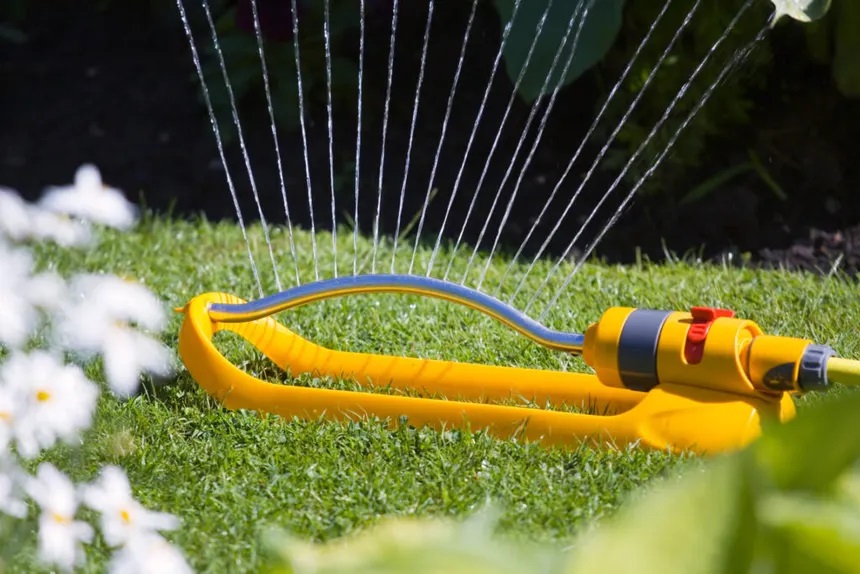
Choosing the right place to install a 180 degree sprinkler can make all the difference between an efficient, thriving garden and a water-wasting mess. These sprinklers are specifically designed to spray in a half-circle arc, covering areas with precision and avoiding unnecessary runoff. They’re ideal for targeted watering, especially along the edges of flower beds, fences, walls, and sidewalks. But what makes them even more valuable is knowing exactly where to place them to maximize their efficiency.
Whether you’re a casual gardener, a homeowner looking to improve your lawn, or a landscaper working on professional projects, strategic installation is crucial. You don’t just drop a sprinkler anywhere and expect magic. The placement of a 180 degree sprinkler determines not only how effectively your plants are watered but also how much water you save in the process.
Understanding the Purpose of a 180 Degree Sprinkler
Before diving into where to install it, let’s quickly understand what makes a 180 degree sprinkler special. Unlike full-circle or oscillating sprinklers that spray water in all directions, this one covers only half a circle, literally 180 degrees. That means you get concentrated, controlled coverage that is perfect for borders, narrow strips, and edges.
These sprinklers are engineered to eliminate overspray on driveways, pavements, or non-planted areas. When installed correctly, they reduce water waste, promote better plant health, and save money on your water bill. So instead of watering your patio or brick wall, the 180 degree sprinkler sends hydration right where it belongs, on the plants.
The Smart Connection Between Gardening and Technology
Let’s pause for a moment and consider how the world is shifting toward smarter, more intentional living. You’ve probably seen the trend with wearables like smart watch women now use for everything from fitness to stress tracking. These watches aren’t just about telling time—they’re about precision, tracking, and making smarter decisions.
In the same way, a 180 degree sprinkler represents the evolution of traditional gardening tools. It’s about doing more with less, using data or design to be intentional. Just like a smart watch helps you focus on the right steps toward health, this sprinkler focuses your water use where it’s needed most. Efficiency isn’t just a buzzword anymore, it’s a mindset that influences even how we water our gardens.
Along Garden Edges and Borders
One of the most common, and best, places to install a 180 degree sprinkler is along the edge of your garden. This could be against a wall, along a fence line, or bordering a walkway. Because the sprinkler only sprays in a half-circle, it ensures that the water stays inside the planting area, not wasted on the surrounding hardscape.
Edging your lawn or garden bed with this type of sprinkler also gives your plants consistent moisture without flooding the neighboring areas. Whether you have shrubs, flowering plants, or low-lying ground covers, this setup delivers hydration right to their roots.
Around Sidewalks and Driveways
Another brilliant location is next to your sidewalk or driveway. If you’ve ever used a traditional rotating sprinkler in these areas, you know how often water ends up splashing on the concrete. That’s not only wasteful but also annoying, especially if you’re walking through a puddle every time you head to your car.
With a 180 degree sprinkler placed strategically beside your driveway, the water is directed away from the concrete and toward your lawn. The result? You maintain a beautiful green edge next to your sidewalk without any wasted water or mess. It’s clean, intentional, and super effective.
In Tight Corners and Narrow Spaces
Sometimes your yard doesn’t give you wide-open spaces. Maybe you have a narrow strip of lawn between your house and a fence. Or a tight L-shaped corner where regular sprinklers just won’t reach properly. This is where the 180 degree sprinkler shines.
It’s a half-circle spray that makes it ideal for these snug areas, delivering just enough water without oversaturating or missing patches. In fact, when you combine several of these sprinklers in clever arrangements, you can water complex shapes with ease. No more dead spots. No more overwatering. Just perfect coverage in every nook.
Along Building Foundations
Many homeowners struggle to water plants or grass near the foundation of their home. Traditional sprinklers either hit the siding or flood the area. But placing a 180 degree sprinkler along the foundation line solves this problem beautifully.
The directional spray makes sure water lands just beyond the base of your house, where your plants grow, without damaging the foundation or wasting water. It’s particularly useful for flower beds or hedges that line the perimeter of your home. Just one well-placed sprinkler can keep that entire zone nourished and green.
Near Raised Beds and Planter Boxes
Raised garden beds need special attention because overwatering can quickly cause water to spill over or even erode soil. The 180 degree sprinkler can be placed at the edge of these beds, offering focused irrigation that doesn’t disturb the structure.
And because many raised beds are positioned near fences or walls, the half-circle design is once again perfect. It helps maintain even moisture in the soil, which is vital for vegetables, herbs, or delicate flowers growing in these containers.
Around Patios and Outdoor Seating Areas
Nobody wants to sit down for a relaxing cup of tea on the patio and end up with soggy socks. Installing a 180 degree sprinkler near your patio keeps your seating area dry while hydrating the plants around it. This is especially useful in landscaped patios where greenery borders the hard surface.
By aiming the arc away from the seating area, you ensure that your guests stay dry while your plants stay healthy. This clever installation technique enhances both comfort and curb appeal.
On Sloped or Elevated Landscapes
Watering sloped terrain can be tricky. Water tends to run off quickly, leaving the soil dry despite heavy watering. When you use a 180 degree sprinkler in the upper section of a slope and angle it correctly, you get gentle, targeted irrigation. This allows the water to be absorbed slowly and deeply before gravity pulls it away.
Elevated gardens also benefit from this sprinkler type, as you can control the direction and flow with accuracy. In such areas, every drop counts, and precision makes all the difference.
In Zones with Mulch or Gravel
Landscapes with mulch or gravel might look low-maintenance, but they still need hydration—especially if plants are involved. A 180 degree sprinkler can be hidden or positioned low, blending into the scenery while still doing its job.
Since mulch helps retain moisture, pairing it with a directional sprinkler doubles your efficiency. You’ll water less often, the roots will stay moist longer, and you won’t soak the mulch pointlessly.
For Zoning and Automated Systems
Many modern irrigation systems are divided into zones based on plant type, sunlight exposure, or soil drainage. Using a 180 degree sprinkler in these zones gives you precision. You can install them strategically so that each zone gets exactly what it needs.
For example, zone one may include sunny areas that dry out faster. A 180 degree sprinkler here ensures thorough watering without overshooting. In shady zones, the same sprinkler can be set to lower flow or shorter durations. The customization options are endless when you start thinking strategically.
Managing Plant Health with Controlled Watering
Healthier plants aren’t just about what you feed them, they depend on how you water them. Excess moisture can encourage fungal diseases or root rot. Too little, and you risk drought stress. Installing 180 degree sprinklers where they’ll avoid overwatering or overlapping with other zones helps avoid these issues.
This targeted approach delivers just enough hydration, directly to the roots, without splashing onto leaves or creating soggy soil. That’s a huge win for plant health and long-term garden success.
When to Avoid Installing a 180 Degree Sprinkler
Of course, it’s not all roses and rainbows. There are a few places where a 180 degree sprinkler might not be the best fit. Wide-open spaces that require full-circle coverage won’t benefit much from a half-circle spray. Similarly, center-of-the-lawn placements or large square zones may need different sprinkler types for full coverage.
Also, areas with irregular pressure levels or very sandy soil may not retain moisture well, making deep soaking more difficult. In these situations, you might need a different combination of sprinkler heads.
Easy Maintenance for Long-Term Use
The great thing about these sprinklers is how easy they are to maintain. Once installed in the right place, they rarely need adjusting. Just check for clogs, clean the filter periodically, and make sure the direction is still aligned properly.
When used alongside timers and moisture sensors, the whole system becomes practically self-sufficient. You get consistent results without daily monitoring, which means more time to enjoy your garden and less time managing it.
Final Thoughts
So, where can you install a 180 degree sprinkler for best results? The answer lies in understanding your landscape’s layout and choosing spots that benefit from focused, directional irrigation. Whether it’s borders, walkways, raised beds, or patios, these sprinklers shine where precision is needed most. And in a world where even everyday tools are getting smarter, like smart watch women use to track every movement, it makes sense that your irrigation system gets an upgrade too. The beauty of the 180 degree sprinkler is that it brings intention and intelligence into something as simple as watering.
