

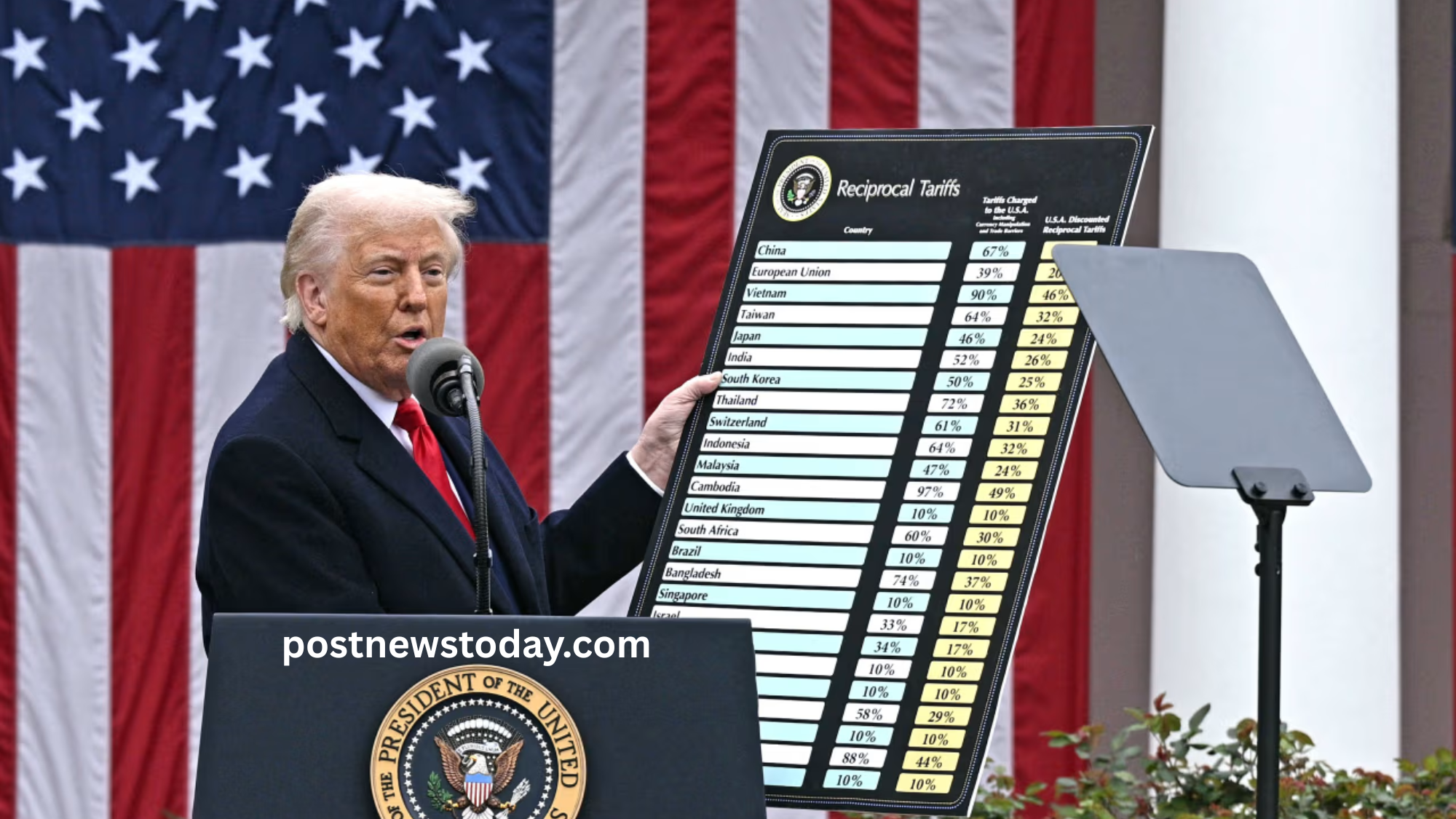
In a significant development in U.S. trade policy and economic markets, a recent court ruling has struck down a set of tariffs imposed during the Trump administration. These tariffs, often referred to by critics and supporters alike under various names, were initially introduced with the goal of protecting American industries and promoting national interests. The court’s decision to invalidate these tariffs has sent shockwaves through the financial world, prompting a surge in U.S. stock futures and renewed optimism among investors.
This article explores the origins of these tariffs, the legal battle that culminated in the court’s decision, the immediate market reaction, and the broader implications for trade policy and the economy. Additionally, we will examine the responses from political leaders, industry stakeholders, economists, and international partners, as well as the potential pathways forward in trade relations and economic strategy.
The Origin of the Tariffs
During the presidency of Donald Trump, one of the hallmark elements of economic policy was the use of tariffs as a tool to reshape international trade relationships. The administration implemented tariffs on a range of imported goods, aiming to reduce trade deficits, protect American manufacturing jobs, and counter what it described as unfair trade practices by other countries, particularly China.
The tariffs were controversial from the outset. Supporters argued that they were necessary to safeguard domestic industries from being undercut by cheaper foreign imports, particularly in sectors like steel and aluminum. They also believed the tariffs could pressure trade partners to negotiate better terms for the United States, addressing longstanding concerns about intellectual property theft, forced technology transfers, and market access.
Critics, however, warned that the tariffs would provoke retaliatory measures, disrupt global supply chains, raise costs for American consumers and businesses, and ultimately hurt economic growth. They cautioned that the strategy risked sparking a trade war with unpredictable consequences.
Among the tariffs introduced was a particularly notable set that became symbolic of the administration’s approach to trade: levies imposed on imports from a range of countries, which were sometimes termed ‘Liberation Day’ tariffs by political commentators. These tariffs applied to a variety of goods and were justified under national security grounds or other trade statutes. The policy led to heightened tensions between the U.S. and several of its key trading partners.
The Legal Challenge
Not long after these tariffs were enacted, they faced scrutiny from multiple fronts. Several industries, foreign governments, and trade organizations challenged the legality of the tariffs in court. The central arguments often focused on whether the executive branch had overstepped its authority by imposing tariffs without proper congressional approval and whether the justification for the tariffs met legal standards.
The legal proceedings were complex and spanned several years, with hearings, appeals, and extensive analysis of trade law and constitutional powers. Advocates against the tariffs argued that the administration had circumvented the legislative process, undermining checks and balances. They also highlighted the economic harm caused by the tariffs to U.S. businesses reliant on imported components and consumers faced with higher prices.
Conversely, the government defended the tariffs as necessary and lawful actions to protect national interests. The administration claimed broad authority under specific trade statutes to impose tariffs when national security was deemed at risk or when unfair trade practices threatened American industries.
After careful deliberation, the court ruled that the tariffs in question were not legally justified under the statutes cited. The ruling stated that the executive branch had exceeded its authority and that proper procedures were not followed to enact such trade restrictions. As a result, the court ordered the immediate removal of the tariffs.
Immediate Market Reaction
News of the court’s decision quickly made waves in financial markets. U.S. stock futures surged in response, signaling investor optimism that a major source of uncertainty and economic friction had been removed. The lifting of these tariffs was seen as a positive development for businesses that had been adversely affected by the additional costs and trade disruptions.
Markets had been closely monitoring the status of these tariffs, as they had implications for corporate profits, supply chains, inflation expectations, and international relations. The ruling was interpreted as a step toward easing trade tensions and restoring smoother global commerce.
Financial analysts highlighted that sectors such as manufacturing, retail, and technology stood to benefit most, as many companies had been grappling with increased input costs due to the tariffs. The relief was expected to enhance corporate earnings and potentially spur investment.
Moreover, the decision was perceived as a signal of increased legal and regulatory scrutiny over trade policy decisions, which could lead to more predictable and stable trade environments in the future.
Political and Industry Responses
Reactions to the ruling were swift and divided, reflecting broader debates about trade policy and economic priorities. Political leaders from different parties weighed in, with some viewing the court’s decision as a victory for the rule of law and economic pragmatism.
Democratic lawmakers largely praised the ruling, emphasizing the need for transparent and balanced trade policies that protect workers and consumers without resorting to heavy-handed tariffs. They advocated for a collaborative approach involving Congress, the executive branch, and trade partners to develop sustainable trade agreements.
Republican responses were more mixed. While some criticized the tariffs as misguided and damaging to the economy, others defended the original intent behind the tariffs as necessary to counteract unfair foreign practices. However, many acknowledged that the legal setback might require a reassessment of how tariffs are implemented and justified moving forward.
Industry groups that had vocally opposed the tariffs welcomed the ruling. Trade associations representing manufacturers, retailers, and agriculture expressed hope that the removal of the tariffs would help restore competitiveness and reduce uncertainty. They called for constructive dialogue with the government to address trade issues without resorting to punitive tariffs.
International partners also reacted positively, viewing the court’s decision as an opportunity to rebuild cooperative trade relations and avoid the escalation of retaliatory measures. Diplomatic channels were reportedly opened to discuss ways to strengthen economic ties and address trade imbalances through negotiation rather than tariffs.
Broader Implications for Trade Policy
The court’s ruling has far-reaching implications for the future of U.S. trade policy. First and foremost, it underscores the importance of adhering to legal and constitutional processes when imposing trade restrictions. It also highlights the limitations on executive power in matters that significantly affect the economy and international relations.
Going forward, policymakers may need to rely more on collaborative approaches involving Congress to enact trade measures, ensuring transparency and accountability. This could lead to a re-evaluation of trade laws and possibly new legislation to clarify the scope of authority related to tariffs.
Additionally, the ruling may encourage a shift away from unilateral tariffs toward more negotiated solutions that seek to resolve trade disputes through diplomacy and multilateral frameworks. This would align the United States more closely with international trade norms and institutions, potentially reducing friction with allies and partners.
Economically, the removal of these tariffs may help stabilize supply chains and ease inflationary pressures that have burdened consumers and businesses. It could also encourage investment in domestic production and innovation by creating a more predictable trade environment.
At the same time, trade challenges remain. Issues such as intellectual property protection, market access, and fair competition continue to demand attention. The ruling may catalyze renewed efforts to address these challenges through comprehensive trade agreements and strategic partnerships.
Economic Context and Outlook
The broader economic context surrounding the tariffs and their removal is complex. The global economy is recovering from recent disruptions caused by the pandemic, geopolitical tensions, and supply chain bottlenecks. Inflationary pressures, labor market dynamics, and fiscal policies are all factors influencing growth and stability.
Tariffs introduced during the previous administration had contributed to increased costs for businesses and consumers. The ruling and the subsequent removal of these tariffs are expected to alleviate some of these pressures, potentially supporting economic expansion.
Financial markets have responded positively, but uncertainty remains. The trajectory of inflation, monetary policy decisions by the Federal Reserve, and international developments will continue to shape economic prospects.
In this context, the court ruling can be seen as a stabilizing event that removes one source of uncertainty and promotes a more rules-based trade environment. It may also serve as a catalyst for more constructive engagement on economic and trade policy at home and abroad.
Frequently Asked Questions
What were the tariffs imposed during the Trump administration that were struck down?
These tariffs were trade levies placed on imported goods with the aim of protecting American industries and addressing what was seen as unfair trade practices by other countries. They affected multiple sectors and trading partners.
Why did the court decide to strike down these tariffs?
The court determined that the executive branch exceeded its authority by imposing these tariffs without proper legislative approval. It found that the justification provided did not meet the legal requirements under trade laws.
How did financial markets respond to the court ruling?
Following the ruling, U.S. stock futures experienced a significant rise as investors reacted positively to the removal of tariffs that had been increasing costs and creating uncertainty.
What impact does this ruling have on future U.S. trade policy?
This decision reinforces the importance of legal procedures and congressional involvement in trade matters. It could encourage a move away from unilateral tariffs towards negotiated and transparent trade policies.
How did industries and politicians react to the ruling?
Many industry groups welcomed the decision, seeing it as a relief from costly tariffs. Politicians had varied responses, with some praising the court for upholding the rule of law and others emphasizing the need to protect domestic interests through lawful means.
Will this ruling resolve ongoing trade tensions?
While the removal of these tariffs reduces some friction, many underlying trade issues remain. Continued dialogue and negotiations will be necessary to address broader challenges.
Conclusion
The court’s ruling to invalidate the tariffs introduced during the previous administration represents a pivotal moment for U.S. trade and economic policy. It underscores the necessity for lawful and transparent decision-making processes in the realm of international trade. The immediate positive reaction in financial markets highlights the economic benefits of removing trade barriers that cause uncertainty and increased costs.
