

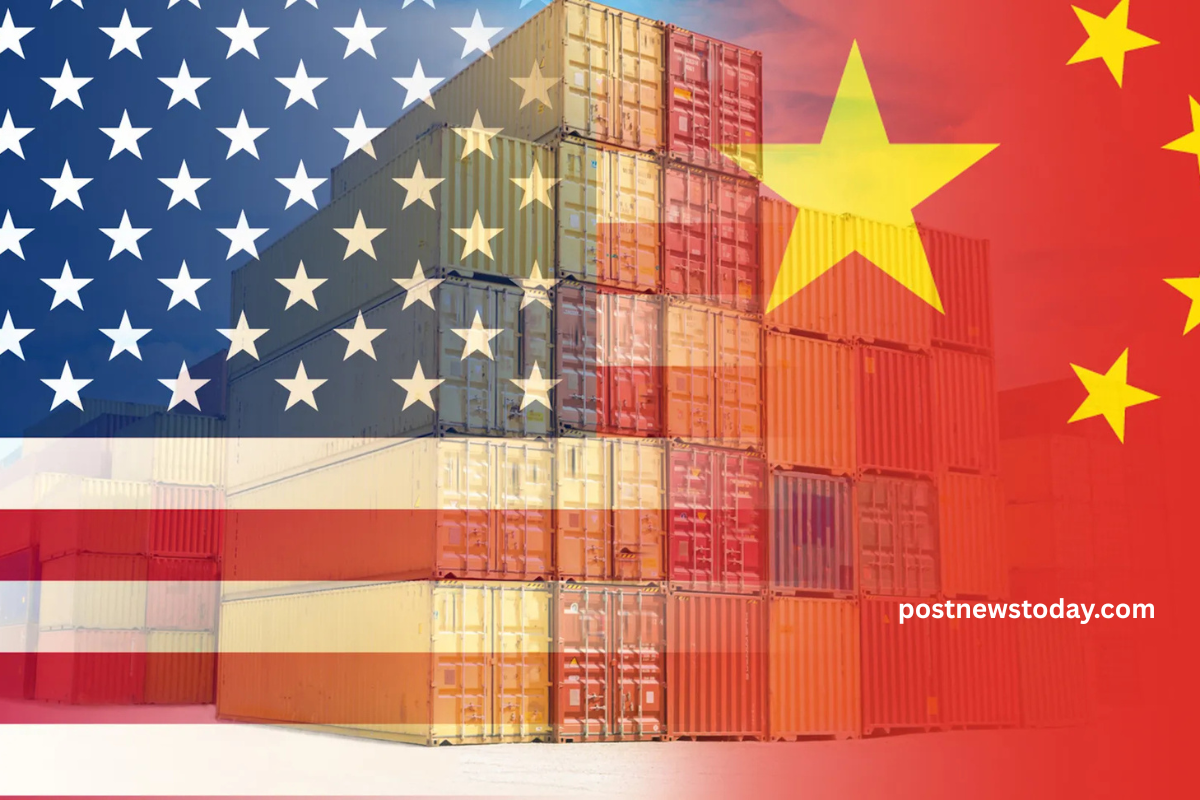
In May 2025, the United States and China reentered high-level trade negotiations with the shared objective of reducing tensions and winding down a long-standing tariff war. The talks, held in neutral territory and led by senior trade officials, signal a renewed willingness from both sides to compromise after years of economic friction. The tariff conflict, which intensified during the late 2010s and saw multiple rounds of punitive measures, has impacted billions of dollars in trade, disrupted global supply chains, and complicated diplomatic ties between the world’s two largest economies.
This article delves into the history of the US-China trade conflict, the recent developments prompting a return to the negotiating table, the potential outcomes of current talks, and the broader implications for the global economy.
The Roots of the Tariff War
The US-China trade war formally began in 2018 when the United States, under then-President Donald Trump, imposed sweeping tariffs on Chinese imports. These measures were justified on grounds of addressing the trade imbalance, intellectual property theft, and China’s state-led industrial policy. China quickly retaliated with its own tariffs, targeting key American exports like soybeans, automobiles, and aircraft.
What started as a narrow disagreement over intellectual property and subsidies quickly ballooned into a full-scale economic standoff. By 2020, both countries had levied tariffs on hundreds of billions of dollars’ worth of goods. Although a Phase One trade deal was signed in January 2020, its implementation was disrupted by the COVID-19 pandemic and deteriorating political trust.
A Period of Stalemate
From 2021 through 2024, little progress was made toward resolving the trade dispute. While both nations expressed interest in dialogue, concrete steps toward reconciliation were few and far between. The Biden administration maintained many of the Trump-era tariffs while emphasizing a “strategic competition” framework. Meanwhile, China increased its domestic self-reliance initiatives and sought alternative trading partners in Asia, Europe, and Africa.
Economic pressures, however, began to mount. American farmers and manufacturers faced rising costs due to Chinese counter-tariffs and disrupted supply chains. Chinese exporters, especially in the technology and manufacturing sectors, experienced reduced demand in the U.S. market. The mutual economic pain, combined with mounting inflation and slow post-pandemic recovery, created conditions ripe for renewed negotiations.
Why Now? Drivers Behind the Talks
Several key factors have contributed to the timing of the resumed trade talks:
- Economic Pressures: Both economies have faced slow growth. The U.S. has battled persistent inflation, while China has encountered sluggish domestic consumption and weakened property markets.
- Global Supply Chain Restructuring: Multinational companies are pushing for more stable trade relationships as they diversify away from risky or unstable supply routes. A thaw in US-China tensions would be a positive signal for business confidence.
- Geopolitical Considerations: Amid rising tensions over Taiwan, technology bans, and military posturing, both governments appear motivated to find a diplomatic counterbalance through economic cooperation.
- Domestic Political Factors: In the U.S., the 2024 presidential election brought a change in tone, with calls for pragmatic diplomacy. In China, leadership is focused on stabilizing the economy and attracting foreign investment.
The Scope of the Talks
The resumed trade negotiations are multifaceted and cover a wide range of issues:
- Tariff Reductions: Both sides are exploring phased tariff rollbacks, likely starting with non-strategic goods such as consumer electronics, textiles, and agricultural products.
- Technology Transfers: The U.S. is pressing for stricter rules against forced technology transfers, a longstanding complaint from American businesses operating in China.
- Intellectual Property Protections: A key demand from Washington involves enforceable IP standards and legal recourse for American companies.
- Market Access: China is seeking fewer restrictions on its firms investing in the U.S., particularly in clean energy, e-commerce, and financial services.
- Dispute Resolution Mechanisms: There is ongoing discussion about creating or reforming mechanisms to resolve future trade disagreements without resorting to punitive tariffs.
Challenges to Overcome
Despite renewed dialogue, significant challenges remain:
- Distrust: Years of hostility have left both sides wary. Enforcement mechanisms are likely to be a sticking point.
- Strategic Competition: Broader geopolitical rivalry, especially in technology and military domains, means that economic cooperation may remain compartmentalized.
- Public Opinion: Political leaders must navigate domestic constituencies that are skeptical of compromise, particularly those in sectors hurt by foreign competition.
- Third-Party Pressures: Allies and trading partners such as the European Union, India, and Southeast Asian nations are watching closely and may influence or complicate negotiations.
Business Community Response
Multinational corporations, trade associations, and financial markets have generally welcomed news of resumed talks. Stock markets in both countries saw modest gains following initial announcements. U.S. manufacturers and agricultural exporters are particularly hopeful for tariff relief, which would enhance their competitiveness in the Chinese market.
Chinese firms, especially in electronics, automotive parts, and textiles, are also optimistic about regaining market share in the U.S. Meanwhile, global supply chain managers see potential for greater predictability and fewer price shocks if relations normalize.
International Reactions
Other countries are observing the talks with interest. The European Union has expressed support for constructive engagement between Washington and Beijing, noting that stability in trade relations is vital for global economic recovery.
Developing nations, particularly in Asia and Africa, are evaluating how a US-China rapprochement might affect their own trade and investment patterns. Some fear being sidelined, while others see potential opportunities in a less polarized global economy.
Frequently Asked Question
What caused the US-China tariff war?
The US-China tariff war began in 2018 when the United States, under President Donald Trump, imposed tariffs on Chinese imports to address issues like the trade imbalance, intellectual property theft, and China’s industrial practices. China retaliated by imposing tariffs on American goods. This tit-for-tat exchange escalated into a major trade conflict.
Why are the US and China resuming trade talks now?
The US and China are resuming trade talks in 2025 due to a combination of economic pressures, geopolitical considerations, and global supply chain disruptions. Both nations are facing economic slowdowns, and businesses in both countries are calling for more stability. Additionally, both governments have a vested interest in reducing tensions, particularly amid rising global uncertainties.
What are the main issues being discussed in the negotiations?
The talks cover a wide range of issues, including tariff reductions, intellectual property protections, market access, technology transfer policies, and establishing more effective dispute resolution mechanisms to prevent further escalations in the trade war.
How will these talks affect global businesses?
If successful, the resumption of talks could lead to the easing of tariffs, benefiting businesses that rely on cross-border trade between the US and China. Global supply chains would also become more stable, reducing uncertainty for multinational corporations that depend on a predictable trading environment.
What are the biggest challenges in resolving the trade dispute?
The key challenges include longstanding distrust between the two nations, the influence of strategic competition in technology and security, domestic political pressures, and the reluctance of certain industries to make concessions. Additionally, third-party countries might complicate negotiations due to their own interests in the US-China relationship.
What can we expect after the trade talks?
If successful, the negotiations could lead to phased tariff reductions and clearer rules around market access, technology transfers, and intellectual property. This may pave the way for a more stable and cooperative economic relationship between the US and China. However, it will likely take time for all the details to be finalized, and challenges may remain even after a deal is reached.
Conclusion
The resumption of trade talks between the United States and China marks a significant turning point in their ongoing trade dispute, one that has had far-reaching consequences not just for the two countries, but for the global economy as well. After years of tension, rising tariffs, and economic uncertainty, both nations now recognize the importance of finding common ground to ease the burden on businesses and consumers alike.
