

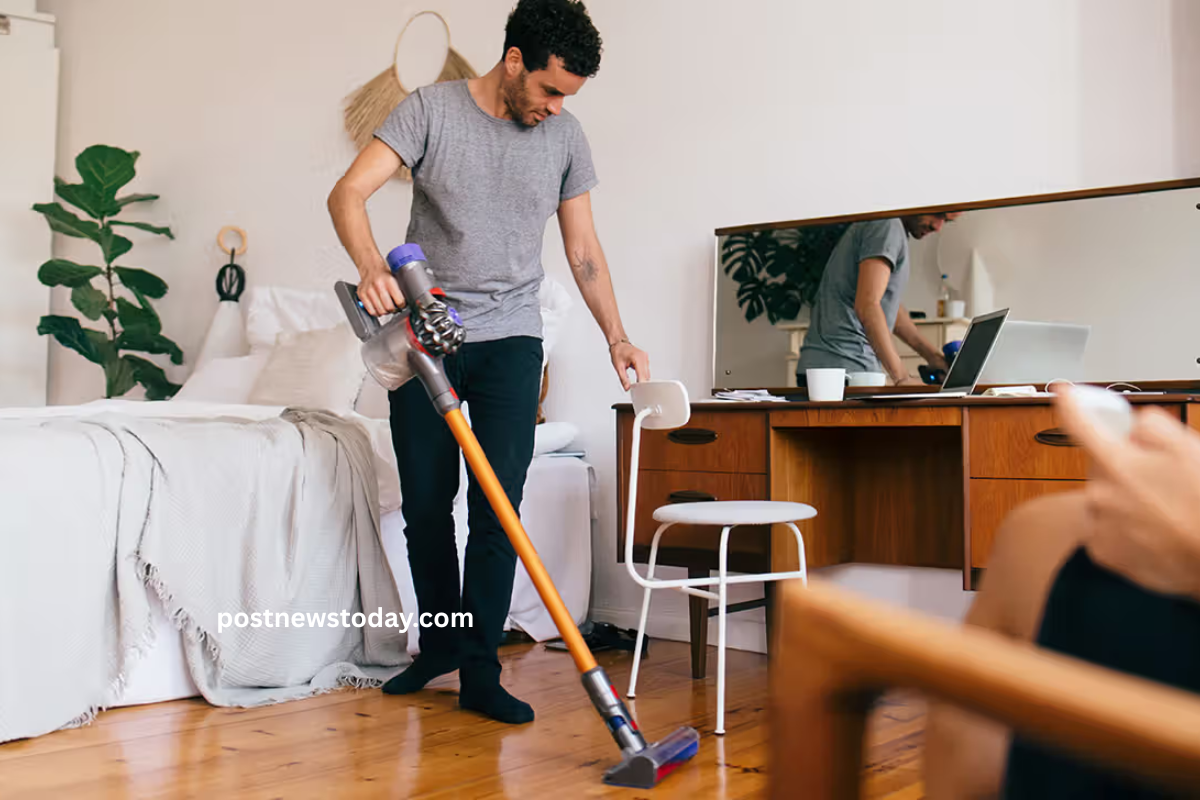
Spring is here, and for many, it’s the time when cleaning becomes more than just a chore—it’s a tradition. Whether you’re opening the windows for fresh air, clearing out clutter, or giving your home a deep clean, spring cleaning is a seasonal ritual that many embrace. But have you ever wondered why we do it, and how to make it more effective? Read on as our team at Healthline shares their spring cleaning wisdom and tips to motivate you to start your own cleaning journey this season.
The Tradition of Spring Cleaning
Spring cleaning is a tradition that is as old as it is widespread, though its exact origins are a bit of a mystery. The term itself wasn’t coined until the early- to mid-1800s, but it’s likely that people have been deep cleaning their homes for centuries as the seasons changed.
Historically, spring was the time of year when people would open their windows to let in fresh air, clean out soot from fireplaces, and prepare for the warmer months ahead. This ritual of deep cleaning wasn’t just about dusting off the cobwebs but was also a way to refresh the home environment after months of winter.
In more recent years, the practice of spring cleaning has evolved into an annual tradition in many households. According to data from the American Cleaning Institute, 80% of households in the United States still participate in spring cleaning, despite the advancements in modern cleaning tools and technologies. It’s a chance for people to not only clean but also to organize, declutter, and give their homes a fresh start—much like the season itself.
But spring cleaning is more than just cleaning your home. It’s an opportunity to revitalize your space, refresh your mindset, and create a more organized, healthier living environment. This season, Healthline’s team shares our personal tips and motivations for tackling spring cleaning in a way that feels fresh and rewarding.
The Motivation Behind Spring Cleaning
One of the biggest challenges when it comes to spring cleaning is finding the motivation to get started. After all, it’s not always the most exciting task on the to-do list. However, many of us at Healthline agree that the arrival of warmer weather and the promise of fresh air are powerful motivators.
Heidi, a manager of Real Appeal coaching operations at Healthline, explains that she is especially motivated to clean when she can finally open the windows after a long, cold winter. “Being able to open the windows and let in the fresh air motivates me to spring clean,” Heidi shares. “During the winter months, unnecessary items accumulate, and spring is the perfect time to donate, toss, or sell those items, which then leads to organizing and cleaning.”
This fresh air not only helps to refresh the home environment, but it also signals a shift in the seasons. It’s a chance to shake off the dust and stagnant energy of the colder months and bring a sense of renewal into the home. For Heidi, the arrival of spring means taking advantage of the fresh breeze to open windows, clear out the clutter, and refresh her living space.
One area that Heidi finds particularly important to tackle is the garage. “Our garage gets very dirty and cluttered in the winter,” she explains, “so it’s nice to get that organized. I love getting the smell of hockey equipment out of the house when it’s warm enough to keep it in the garage!”
Heidi’s approach to spring cleaning is a combination of motivation and practicality. The fresh air and the prospect of eliminating clutter in key spaces like the garage give her the energy to start organizing and tidying up, leading to a more organized and pleasant home.
The Importance of Decluttering
Spring cleaning isn’t just about scrubbing the floors and dusting the shelves. It’s also about decluttering and rethinking what items are necessary and meaningful. For many people, spring cleaning presents an opportunity to assess the things that have accumulated over the past year and make decisions about what to keep, donate, or dispose of.
Mogan, Ren, and other team members at Healthline have found that decluttering is one of the most important aspects of spring cleaning. “One of our organizational strategies involves selecting items to donate,” Mogan explains. “It’s a chance to reflect on the things you no longer need and pass them along to someone who could use them.”
Donating gently used items is a great way to reduce clutter and give back to the community. It’s also a way to clear out space and start fresh for the upcoming season. The act of donating can be emotionally rewarding, as it allows you to create a cleaner, more organized home while contributing to the well-being of others.
Additionally, decluttering is a powerful way to reduce stress and increase mental clarity. A cluttered space can contribute to feelings of overwhelm, while a clean and organized home can promote a sense of calm and control. The act of purging items you no longer need can feel cathartic, and it’s an excellent way to refresh your space and your mindset.
How to Tackle Spring Cleaning: Step-by-Step Tips
Ready to dive into spring cleaning but not sure where to start? Don’t worry—we’ve got you covered with some practical tips to guide you through the process.
Start with a Plan
Before you begin, take a moment to plan out your cleaning tasks. Identify which areas of your home need the most attention and prioritize accordingly. Whether it’s cleaning windows, scrubbing the kitchen, or reorganizing closets, having a plan will help you stay focused and avoid feeling overwhelmed.
Declutter First
As Mogan mentioned, decluttering is a crucial step in the spring cleaning process. Start by going through each room and identifying items you no longer need. Donate clothes you haven’t worn in a year, toss expired food from your pantry, and get rid of broken or outdated items.
Don’t Forget Hidden Spaces
Spring cleaning isn’t just about the visible areas of your home. Be sure to clean forgotten or neglected spaces, such as behind furniture, inside cabinets, and under the bed. These areas tend to accumulate dust and debris over time, so giving them some extra attention will leave your home feeling truly clean.
Focus on Specific Tasks
Instead of trying to tackle everything at once, break down your spring cleaning into smaller, more manageable tasks. Set aside time to deep clean individual rooms or areas, such as the kitchen, bathrooms, or bedrooms. By focusing on one task at a time, you’ll make steady progress without feeling overwhelmed.
Use Non-Toxic Cleaning Products
Healthline recommends using non-toxic and eco-friendly cleaning products when possible. These options are safer for your health, as well as the environment. Look for natural cleaning solutions, such as vinegar, baking soda, and essential oils, which can be just as effective as chemical-based cleaners.
Get the Whole Family Involved
Spring cleaning doesn’t have to be a solo effort. If you have family members or roommates, involve them in the process. Assign tasks to everyone, whether it’s vacuuming, dusting, or organizing. Working together can make the cleaning process faster and more enjoyable.
Take Breaks
Spring cleaning can be physically demanding, so be sure to take breaks and pace yourself. Don’t feel like you have to do everything in one day. Spread out your tasks over a few days or weeks if necessary, and remember to celebrate small victories along the way.
Spring Cleaning for Mental and Physical Health
In addition to refreshing your home environment, spring cleaning can also have positive effects on your mental and physical health. A clean, organized home can reduce stress, increase productivity, and improve your overall well-being. Research shows that a cluttered living space can contribute to anxiety and feelings of overwhelm, while a tidy space can promote relaxation and focus.
Furthermore, the physical act of cleaning—sweeping, mopping, scrubbing—can be a great form of exercise. It gets your body moving and can help improve circulation and flexibility. Plus, the satisfaction of seeing a clean home can boost your mood and give you a sense of accomplishment.
Spring cleaning also aligns with the idea of “spring renewal.” Just as the season brings new growth and vibrant energy to nature, it can also bring new life to your home and mindset. By clearing away the old and making space for the new, you create a more positive and inviting environment.
Frequently Asked Question
Why is spring cleaning a tradition?
Spring cleaning has historical roots, likely originating from the need to refresh homes after the winter months. Before modern heating and ventilation, homes would get dusty and dirty from the use of fireplaces and the accumulation of indoor pollutants during the colder months. Opening windows and cleaning out soot, dust, and grime became a way to welcome the new season with fresh air and a clean space.
How often should I do spring cleaning?
Spring cleaning is an annual tradition, typically done once a year to mark the change in seasons. However, if your home collects clutter more quickly, you may want to do a deep clean every few months. A regular cleaning schedule (e.g., monthly or quarterly) can also help prevent the need for a more intense cleaning session.
What is the best way to start spring cleaning?
Start by making a plan. Break your tasks into smaller, manageable sections, such as specific rooms or areas of the house. Declutter first—this will help you assess what needs cleaning and give you more space to work. Once the clutter is dealt with, focus on deeper cleaning tasks like washing windows, scrubbing floors, and organizing closets.
What areas of the home are most important to clean during spring cleaning?
Some areas that often need the most attention during spring cleaning include:
- Windows and window sills
- Kitchen appliances (like the oven, fridge, and microwave)
- Bathrooms (grout, tubs, and behind the toilet)
- Closets and storage spaces
- Garages and basements
- Under furniture and other hidden spaces
How can I stay motivated during spring cleaning?
Find ways to stay motivated by setting small goals and rewarding yourself after completing tasks. If you need extra motivation, take advantage of the fresh air by opening windows and letting the sunlight in. You could also make it a family or group activity to divide the tasks and make it fun.
How can I declutter effectively?
To declutter, start by sorting through items room by room. Decide whether to keep, donate, or discard each item. Be ruthless and ask yourself if each item is useful or adds value to your life. Donating items that you no longer need is a great way to reduce clutter and help others.
Can I use eco-friendly cleaning products for spring cleaning?
Yes! Eco-friendly cleaning products are often just as effective as chemical-based cleaners, and they are much safer for your health and the environment. Look for products made with natural ingredients, or you can even make your own with items like vinegar, baking soda, and essential oils.
How do I clean hidden or difficult-to-reach areas?
Don’t forget places that are often overlooked, such as behind and underneath furniture, inside cabinets, and vents. Use extendable dusters for high areas, or get a vacuum with a hose attachment to reach corners and narrow spaces. A microfiber cloth or a mop with a long handle can help clean areas that are hard to reach by hand.
Should I involve my family or roommates in spring cleaning?
Absolutely! Spring cleaning can be a team effort. Assign different tasks to family members or roommates to divide the workload, and make it more fun. Working together helps get the job done faster, and it can even become a bonding experience.
Conclusion
Spring cleaning may be a time-honored tradition, but it’s also a chance to revitalize your home, your health, and your mindset. Whether you’re motivated by fresh air, the desire to declutter, or the need for a fresh start, the practice of deep cleaning and organizing can be both rewarding and rejuvenating. With these tips from our team at Healthline, we hope you’re inspired to take on your own spring cleaning journey. Remember, it’s not just about making your home look clean—it’s about making your home feel good, too.
