

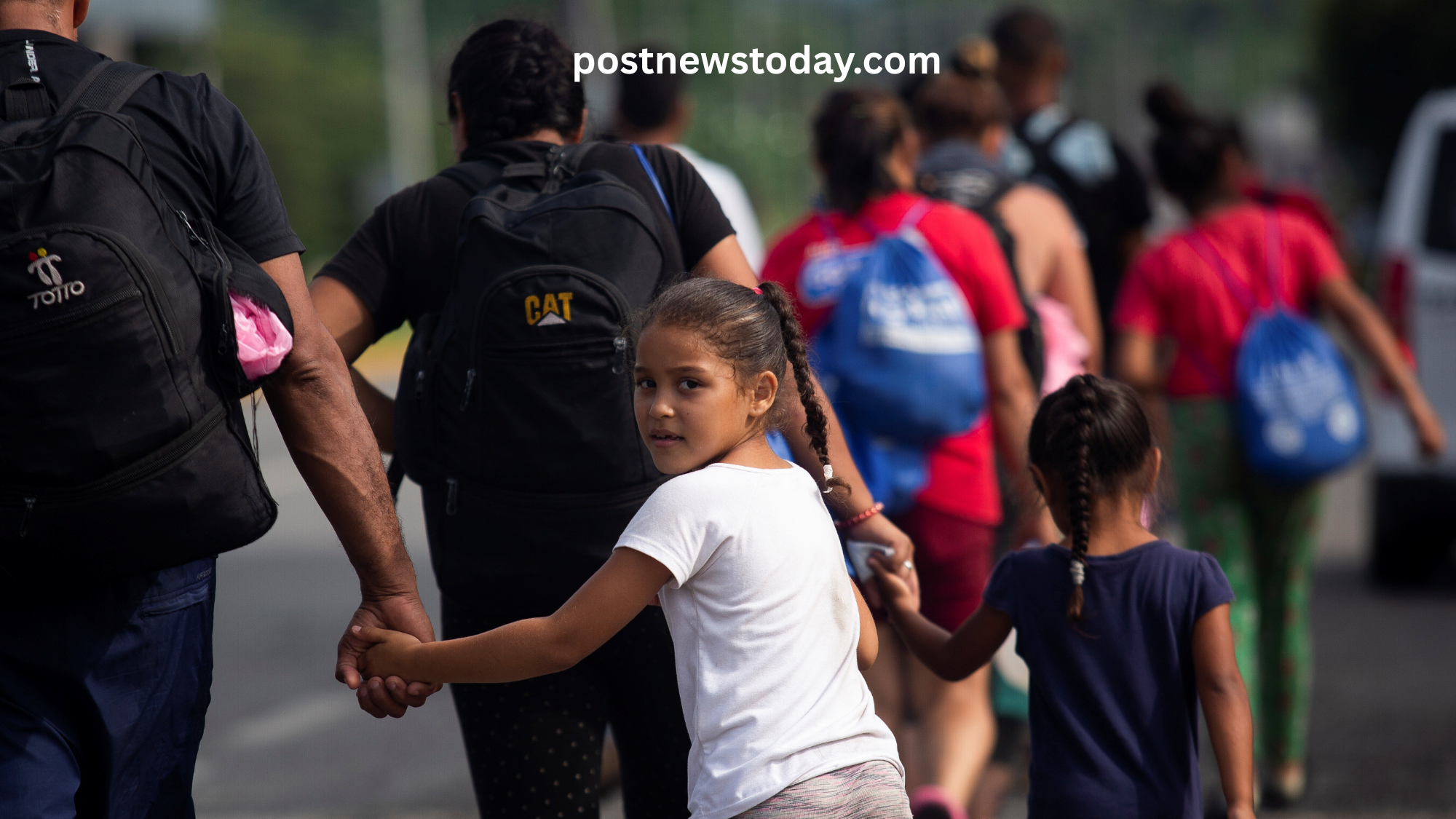
The United States government’s policy of collecting DNA from detained migrants, including children, and storing it in criminal databases has raised significant ethical, legal, and human rights concerns. This practice has been criticized for violating privacy rights, disproportionately affecting vulnerable populations, and lacking adequate safeguards to prevent misuse of sensitive genetic information.
Background of DNA Collection Policies
In recent years, the U.S. government has implemented policies requiring the collection of DNA from individuals detained for immigration-related reasons. These policies are part of broader efforts to enhance border security and prevent human trafficking. However, critics argue that such measures disproportionately affect vulnerable populations, including children, and may violate constitutional rights.
Ethical and Legal Concerns
Privacy Violations
One of the primary ethical concerns is the potential for misuse of genetic data. DNA contains sensitive information not only about the individual but also about their relatives, raising the risk of unintended consequences for families. Additionally, the indefinite storage of DNA profiles in criminal databases like the FBI’s Combined DNA Index System (CODIS) has been criticized for lacking clear policies on data deletion and for potentially infringing on privacy rights.
Lack of Informed Consent
Detained migrants, particularly children, may not fully understand the implications of providing a DNA sample. The Department of Homeland Security (DHS) has acknowledged that detained immigrants, including children, may not be aware they must provide a DNA sample and plans to mitigate this risk by simply posting a privacy notice at certain facilities and providing “individual verbal notice.” However, this approach raises concerns about whether detainees can truly provide informed consent under such circumstances.
Disproportionate Impact on Vulnerable Populations
Migrant children, particularly those who are unaccompanied, are especially vulnerable to the implications of these policies. The collection of DNA from minors without clear consent procedures or safeguards can be seen as a violation of their rights. Furthermore, the use of DNA testing to verify familial relationships has led to delays in family reunification, with some children remaining in detention for extended periods.
Civil Liberties and Constitutional Rights
The Fourth Amendment of the U.S. Constitution protects individuals from unreasonable searches and seizures. Critics argue that the mandatory collection of DNA from individuals detained for civil immigration violations, without proper legal safeguards, constitutes an unreasonable search and violates constitutional protections.
Advocacy and Legal Challenges
Various human rights organizations, civil liberties groups, and legal experts have raised objections to the DNA collection policies. These groups argue that the policies are not only ethically problematic but also legally questionable. Some have initiated legal challenges seeking to halt the practice and ensure that the rights of detained individuals, especially minors, are upheld.
Alternative Approaches and Recommendations
Experts and advocacy groups have proposed alternative approaches to address the concerns associated with DNA collection from detained migrants. These include:
- Independent Oversight: Engaging independent third-party organizations to oversee the collection and storage of DNA samples to ensure transparency and accountability.
- Data Minimization: Limiting the collection of DNA to cases where it is absolutely necessary and ensuring that samples are not retained longer than needed.
- Informed Consent Procedures: Implementing clear and understandable consent procedures, particularly for minors and non-English-speaking detainees, to ensure that individuals are fully aware of the implications of providing a DNA sample.
- Data Deletion Policies: Establishing strict policies for the deletion of DNA data once it is no longer needed to protect individuals’ privacy rights.
Frequently Asked Questions
Why is the U.S. government collecting DNA from migrant children?
The government states that the DNA collection is intended to verify family relationships, prevent human trafficking, and enhance immigration enforcement. However, critics argue this approach overreaches and compromises the privacy of vulnerable individuals.
Where is the DNA data stored?
Collected DNA is typically stored in a criminal database known as CODIS, which is maintained by the FBI. This database is usually reserved for individuals involved in criminal investigations, not civil immigration cases.
Are migrant children being treated like criminals?
Although immigration violations are civil matters, placing migrant children’s DNA in a criminal database effectively treats them as if they are part of a criminal investigation. This has raised serious concerns among civil rights and human rights advocates.
Is DNA collected with the consent of the child or their guardian?
Consent procedures are not always transparent. In many cases, minors or their guardians may not fully understand that DNA is being collected or what it will be used for. This raises ethical and legal questions, especially regarding informed consent.
What are the main risks of collecting and storing this DNA?
Risks include misuse of genetic data, unauthorized sharing with other government agencies, lack of data deletion policies, and potential stigmatization of individuals whose DNA is stored in a criminal context.
Have any legal actions been taken against this policy?
Yes, several civil liberties and human rights organizations have challenged these practices in court, arguing they violate constitutional protections, including the right to privacy and protection from unreasonable search and seizure.
How does this policy affect family reunification?
DNA testing has sometimes delayed family reunification due to verification processes. In some cases, mismatched results have led to the separation of children from caretakers who may not be biological relatives but serve as primary guardians.
Are there alternatives to DNA collection?
Yes. Advocates suggest alternatives like better documentation processes, social worker interviews, and independent oversight to verify relationships and address trafficking risks without intrusive genetic data collection.
Conclusion
The U.S. government’s practice of collecting and storing the DNA of migrant children in a criminal database raises profound ethical, legal, and human rights concerns. While the stated goals may be tied to national security and anti-trafficking efforts, the approach casts a wide net, affecting some of the most vulnerable individuals—children fleeing violence, poverty, and instability.
