

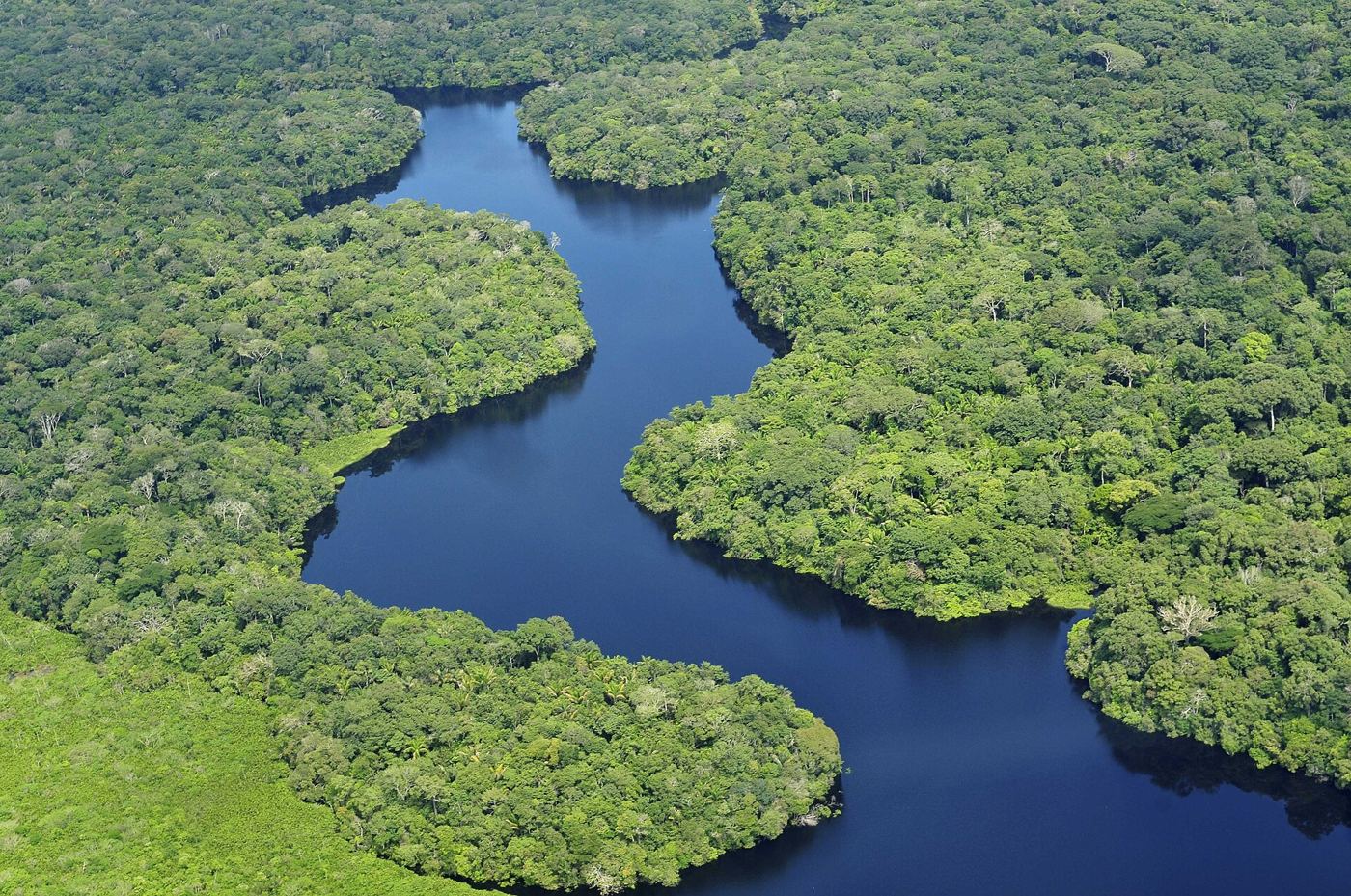
Brazil’s National Institute for Space Research reported in October 2026 that deforestation in the Amazon fell to 3,335 square kilometres in the year from August 2025 to July 2026, down 41.8 percent from the previous twelve months and the lowest annual figure since satellite monitoring began in 1988. The previous record low was 4,571 square kilometres, set in 2012. The largest areas were still cleared in the states of Pará, Mato Grosso and Amazonas, but all three cut clearing by roughly 45 percent compared with the year before. The figures come from INPE’s PRODES satellite programme, which produces Brazil’s official annual deforestation rate, and they were welcomed as evidence that enforcement and governance measures are working. The decline follows several years of falling rates since 2023, after deforestation reached a 15-year high in 2022.
What the Evidence Shows
The celebration comes with caveats that scientists insist on. PRODES counts clear-cutting, the complete removal of forest canopy, but it does not capture degradation from drought and fire, which thins the forest without clearing it, and forest degradation surged in the record fire season of 2024. Even at the record low, an area larger than many cities was still cleared in a single year, and the Amazon remains under pressure from cattle ranching and agriculture, which account for nearly all vegetation loss. The test now is whether the decline can be held through political change and dry years. For the climate, the stakes are high: the Amazon stores vast amounts of carbon, and keeping its trees standing is one of the cheapest ways to slow global warming. Brazil’s experience is now watched by other rainforest nations, from Indonesia to the Congo Basin, as proof that determined enforcement can bend the curve of forest loss. Reporting and analysis from sources such as NASA track the same developments, and specialists following Amazon deforestation record low say the direction is now consistent across independent lines of evidence.
The Wider Context
Funding bodies are watching Amazon deforestation record low closely because the work sits at the junction of basic curiosity and practical return. Grant panels increasingly ask for a path from discovery to application, while researchers push back that the most valuable uses of fundamental science are rarely the ones written into the original proposal. The tension is productive when both sides stay honest about timescales.
What Happens Next
The long view on Amazon deforestation record low is that fields advance by accumulation rather than by single announcements. This result adds a solid, checkable piece to a structure many teams are building, and its authors have shared their data so the piece can be tested from every side. That is how the picture eventually becomes reliable enough to act on. You can follow related developments in our coverage of science.
It is also worth remembering how quickly the picture in this area has changed before. Positions that looked settled a few years ago have been revised as new data arrived, and the same humility is appropriate now. The strongest coverage of this subject, and the most useful advice, tends to come from sources that update their views openly when the facts move, rather than defending an earlier position long after it has stopped fitting the evidence available.

