

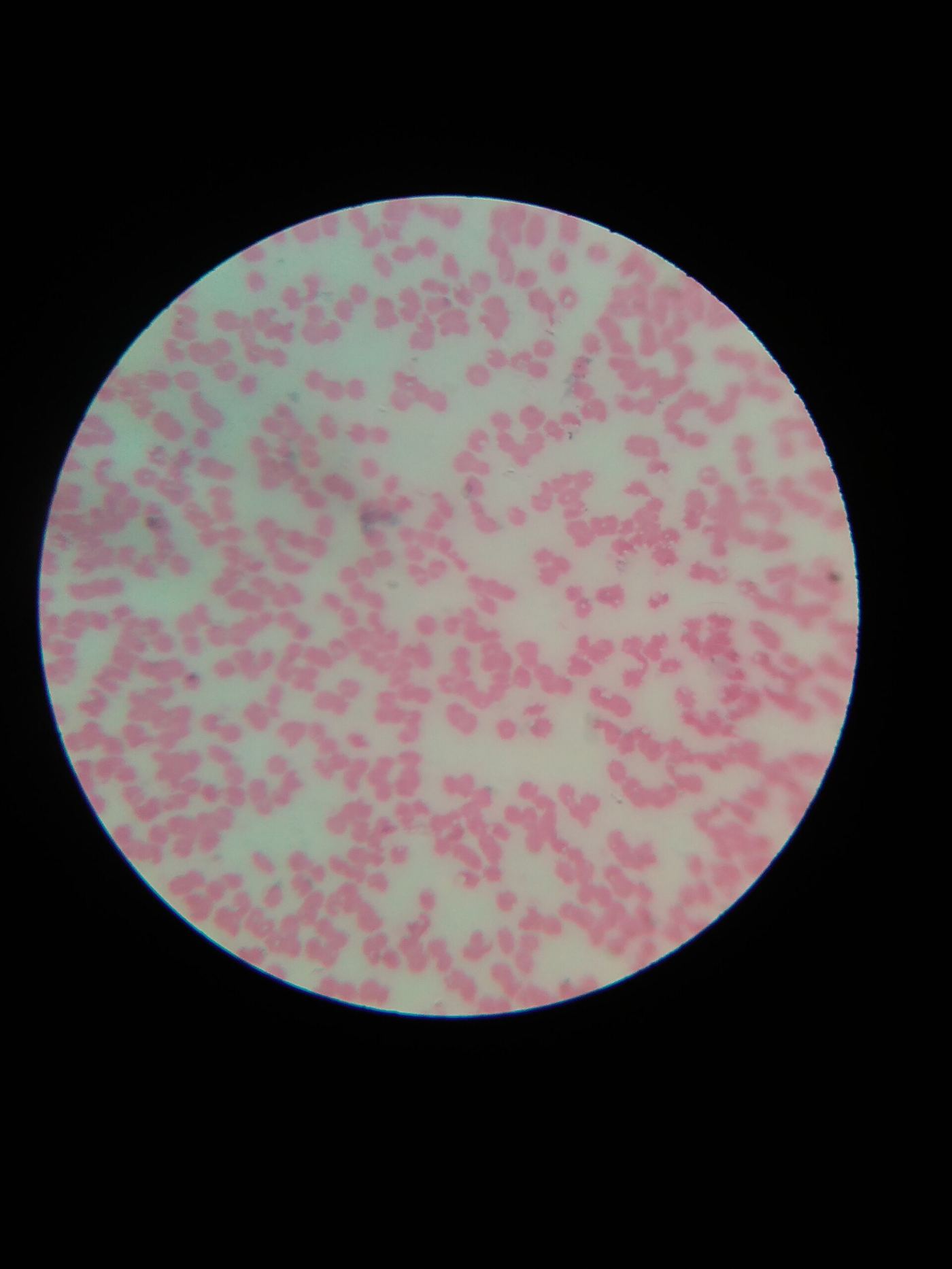
In December 2023, regulators in the United States approved the first medicine based on CRISPR gene editing, a treatment for sickle cell disease called Casgevy. Sickle cell disease is caused by a single faulty gene that makes red blood cells stiff and crescent-shaped, blocking blood vessels and causing severe pain, organ damage and early death. Casgevy, developed by Vertex Pharmaceuticals and CRISPR Therapeutics, works by taking a patient’s own blood stem cells, editing them in the laboratory to switch off a gene called BCL11A, and returning them to the patient. Switching off that gene reactivates the production of foetal haemoglobin, the form of the oxygen-carrying protein babies make before birth, which does not sickle. The US Food and Drug Administration approved it on 8 December 2023, and Britain and the European Union followed, with England’s NHS agreeing a deal for eligible patients in August 2024.
What the Evidence Shows
The approval is a landmark for genetic medicine, because it proves that editing a patient’s own DNA can treat a disease, not just in theory but in practice. In trials, most treated patients went at least a year without the painful crises that define sickle cell disease, and many remained free of them for far longer. But the treatment is also a test of whether such medicine can reach the people who need it. It costs about 2.2 million dollars per patient, requires months of preparation including chemotherapy to clear the bone marrow, and can only be given in specialist centres. Sickle cell disease affects millions of people, most of them in sub-Saharan Africa, where the treatment is currently out of reach. The science has arrived; the challenge now is making it affordable and available. Reporting and analysis from sources such as NASA track the same developments, and specialists following first CRISPR medicine Casgevy say the direction is now consistent across independent lines of evidence.
The Wider Context
Funding bodies are watching first CRISPR medicine Casgevy closely because the work sits at the junction of basic curiosity and practical return. Grant panels increasingly ask for a path from discovery to application, while researchers push back that the most valuable uses of fundamental science are rarely the ones written into the original proposal. The tension is productive when both sides stay honest about timescales.
What Happens Next
The long view on first CRISPR medicine Casgevy is that fields advance by accumulation rather than by single announcements. This result adds a solid, checkable piece to a structure many teams are building, and its authors have shared their data so the piece can be tested from every side. That is how the picture eventually becomes reliable enough to act on. You can follow related developments in our coverage of science.
It is also worth remembering how quickly the picture in this area has changed before. Positions that looked settled a few years ago have been revised as new data arrived, and the same humility is appropriate now. The strongest coverage of this subject, and the most useful advice, tends to come from sources that update their views openly when the facts move, rather than defending an earlier position long after it has stopped fitting the evidence available.

