

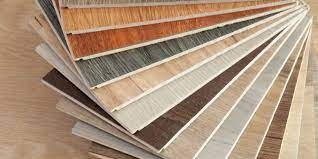
When it comes to flooring, strength, stability, and water resistance are key. While materials like solid wood and laminate are common, Boiling Water Proof Plywood has recently gained attention as a practical and durable flooring base material. But can it really stand up to the demands of daily foot traffic, spills, and weather changes? Let’s explore expert insights and practical tips on using BWP plywood for flooring.
1. Understanding Why BWP Plywood Works for Flooring
BWP plywood is manufactured using high-quality hardwood veneers bonded with phenol-formaldehyde (PF) resin, giving it exceptional waterproof and load-bearing properties. This makes it suitable for spaces that face moisture, such as kitchens, bathrooms, or coastal homes.
Its boiling waterproof capability ensures the plywood remains dimensionally stable even after prolonged exposure to humidity or water, unlike ordinary plywood that tends to swell, warp, or delaminate. For flooring, this means a strong and long-lasting foundation that stays flat and sturdy for years.
2. Advantages of Using BWP Plywood for Flooring
Water Resistance: Perfect for moisture-prone areas and homes in humid regions.
Dimensional Stability: BWP plywood holds its shape under weight, temperature changes, and moisture exposure.
Durability: Its dense structure can handle daily wear, making it ideal as a subfloor or even as a finished flooring option when treated or laminated.
Smooth Surface: Its even grain and smooth texture make it suitable for applying laminates, veneers, or vinyl flooring.
Brands like Royale Touche BWP Plywood offer sheets engineered specifically for interior and semi-exterior use, giving both residential and commercial flooring unmatched strength and waterproof reliability.
3. Ideal Applications and Installation Tips
If you’re planning to use BWP plywood for flooring, here’s how to get the most out of it:
As a Subfloor: BWP plywood serves perfectly as a stable base layer beneath tiles, vinyl, or laminate flooring. It enhances surface strength while preventing warping due to temperature or humidity.
For Raised Flooring: It’s great for modular or raised flooring systems, as its waterproof nature protects against condensation or seepage.
For Temporary or Semi-Permanent Flooring: In coastal or outdoor setups like gazebos or patios, BWP plywood performs well when sealed and finished properly.
Pro Tip: Always seal the edges with waterproof adhesive or varnish to prevent moisture ingress. Ensure proper levelling and spacing during installation to allow for expansion and air circulation.
4. Limitations to Consider
While BWP plywood is strong and water-resistant, it’s still wood at its core. For high-traffic or fully wet areas, consider adding a laminate, vinyl, or epoxy top coat for enhanced surface protection and aesthetics.
Avoid leaving it untreated on open outdoor flooring where it may face prolonged exposure to direct sunlight or standing water.
5. The Expert Verdict
Yes, BWP Plywood can be used for flooring, especially as a robust subfloor or for semi-exterior applications. Its waterproofing, strength, and longevity make it an excellent choice for humid climates or rooms prone to moisture.
When sourced from trusted brands like Royale Touche, you get a flooring base that’s not only resilient but also beautifully engineered for modern design.

