

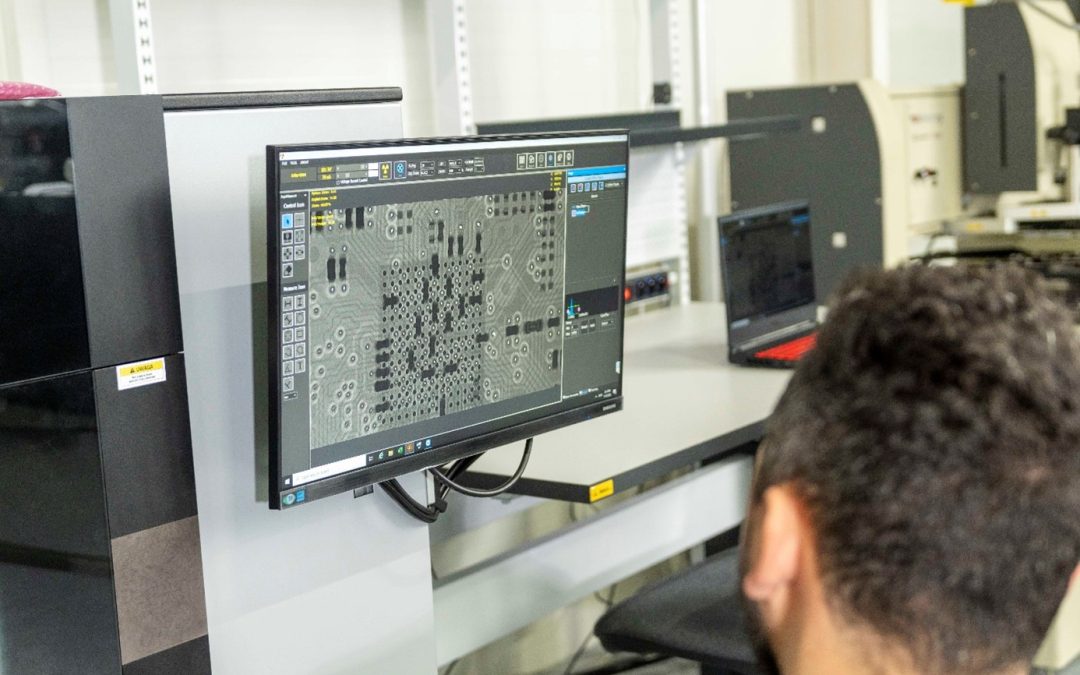
In modern manufacturing, achieving flawless product quality is no longer optional; it is essential. Industrial X-ray systems have become a cornerstone of quality control, enabling manufacturers to inspect components and assemblies with unmatched precision. A key component that powers these systems is the X-ray generator power supply, which ensures consistent imaging performance and accurate defect detection. With industrial X-ray technology, manufacturers can identify hidden flaws, enhance production efficiency, and maintain compliance with strict safety and quality standards.
Precision Imaging for Complex Components
Industrial components often include intricate internal structures that are impossible to evaluate through surface-level inspection. X-ray imaging provides a clear view of internal features, enabling manufacturers to verify component integrity and dimensional accuracy.
- Detecting Internal Defects: X-ray systems can reveal hidden defects such as cracks, voids, and inclusions that are not visible to the naked eye. These internal flaws may not show up during surface inspection but can significantly compromise the strength and reliability of the final product. By detecting such defects early, manufacturers can prevent defective products from reaching customers, reducing warranty claims and preserving brand reputation.
- Ensuring Dimensional Accuracy: By capturing high-resolution images, X-ray technology helps in verifying the precise dimensions of internal components, ensuring they conform to design specifications. For industries like aerospace and medical devices, where precision is critical, dimensional accuracy directly impacts performance and safety. X-ray inspection allows manufacturers to validate the size, thickness, and alignment of internal structures without disassembling the product.
- Reducing Product Failure Rates: Identifying defects early in the production process helps prevent failures in the field, reducing warranty claims and protecting brand reputation. When defects go undetected, they can cause malfunction or breakdown in critical applications, leading to safety risks and financial losses. X-ray inspection allows manufacturers to remove defective items before they leave the factory, improving overall product reliability.
Enhancing Production Efficiency with Non-Destructive Testing
Manufacturers can inspect products without altering or damaging them, which leads to faster inspection cycles and higher production throughput.
- Speeding Up Inspection Processes: X-ray systems can scan products quickly and accurately, allowing manufacturers to inspect large volumes of items in less time. Compared to manual inspection methods, X-ray imaging significantly reduces the time needed to evaluate each component.
- Minimizing Downtime: Because inspection is non-destructive, production lines can continue running without interruption, helping to maintain consistent output. Traditional inspection methods may require disassembly, stopping the production line, or even destroying the product to verify quality.
- Reducing Scrap and Rework: Early detection of defects prevents defective products from advancing through the production process, reducing the need for rework and scrap. When defects are caught later in the manufacturing cycle, correcting them may require costly disassembly or complete product replacement. X-ray inspection allows defects to be identified at earlier stages, enabling quick corrective measures.
Strengthening Safety and Reliability in Critical Industries
In critical industries such as aerospace, automotive, and medical devices, safety and reliability are paramount. X-ray inspection plays a crucial role in ensuring that components meet the highest standards of performance and safety.
- Validating Structural Integrity: X-ray technology can confirm the structural soundness of critical components, ensuring they can withstand demanding operating conditions. Structural failure in industries like aerospace or automotive can lead to catastrophic outcomes. X-ray inspection helps verify that internal components are free from hidden defects that could compromise strength or performance.
- Detecting Contaminants in Medical Devices: X-ray inspection helps identify foreign materials or contaminants that could compromise medical device safety. Contaminants such as metal fragments, plastic debris, or other impurities can cause severe complications if left undetected.
- Ensuring Automotive Component Durability: X-ray systems help detect internal defects in automotive parts, ensuring reliability and preventing failures that could lead to accidents. Automotive components undergo intense stress and must maintain performance under varying conditions. X-ray inspection can identify defects like cracks or voids that may lead to part failure.
Integrating Advanced X-Ray Solutions for Smart Manufacturing
Modern manufacturing is moving towards automation and smart systems, and industrial X-ray technology is evolving alongside this trend. Advanced X-ray systems can be integrated into automated production lines, providing real-time inspection and feedback for continuous quality improvement.
- Automated Inline Inspection: X-ray systems can be integrated into production lines to provide continuous inspection without slowing down manufacturing processes. Inline inspection enables real-time monitoring, ensuring defects are detected as products move through the line. This automation eliminates manual inspection bottlenecks and improves production efficiency.
- Real-Time Defect Analysis: Advanced imaging software analyzes defects instantly, enabling faster decision-making and corrective actions. Real-time analysis allows quality teams to respond immediately to issues, preventing defective products from continuing down the line. This rapid feedback loop improves overall quality control and reduces the likelihood of widespread defects.
- Data-Driven Quality Control: Inspection data can be collected and analyzed to identify trends, improve processes, and enhance overall product quality. Data-driven quality control allows manufacturers to move beyond reactive inspection and adopt proactive strategies. By tracking defect patterns, companies can predict potential issues and implement preventive measures.
Choosing the Right X-Ray Technology for Manufacturing Needs
Manufacturers must consider factors such as the type of product, inspection requirements, and production environment. A reliable high-voltage generator solution is essential to ensure stable performance and high-quality imaging, especially in demanding industrial settings.
- Understanding Product Complexity: Complex products with multiple layers or internal structures require higher-resolution imaging and advanced X-ray systems. When products contain dense materials or intricate assemblies, standard inspection may not reveal all defects. Advanced X-ray systems provide enhanced imaging capabilities, enabling detailed examination of complex structures.
- Evaluating Inspection Speed Requirements: High-volume production requires fast inspection systems that can keep pace with the production line. Inspection speed is a crucial factor in maintaining production efficiency. Manufacturers should choose X-ray systems capable of rapid scanning without compromising image quality.
- Ensuring Equipment Reliability: Industrial environments demand robust X-ray systems with consistent performance and minimal downtime. Reliability is essential for maintaining production continuity. X-ray systems must withstand heavy use and challenging conditions while delivering stable performance.
Conclusion
Industrial X-ray technology has become an essential tool for improving manufacturing quality control by enabling detailed internal inspection without damaging products. With the right X-ray generator power supply and a dependable high-voltage generator solution, manufacturers can ensure accurate imaging, reduce defects, and enhance overall production efficiency. For businesses seeking advanced X-ray solutions and expert support, VJ X-Ray offers a range of industrial X-ray systems designed to meet the demands of modern manufacturing. Their expertise in developing reliable and high-performance X-ray technology makes them a trusted partner for quality control and inspection needs.

