

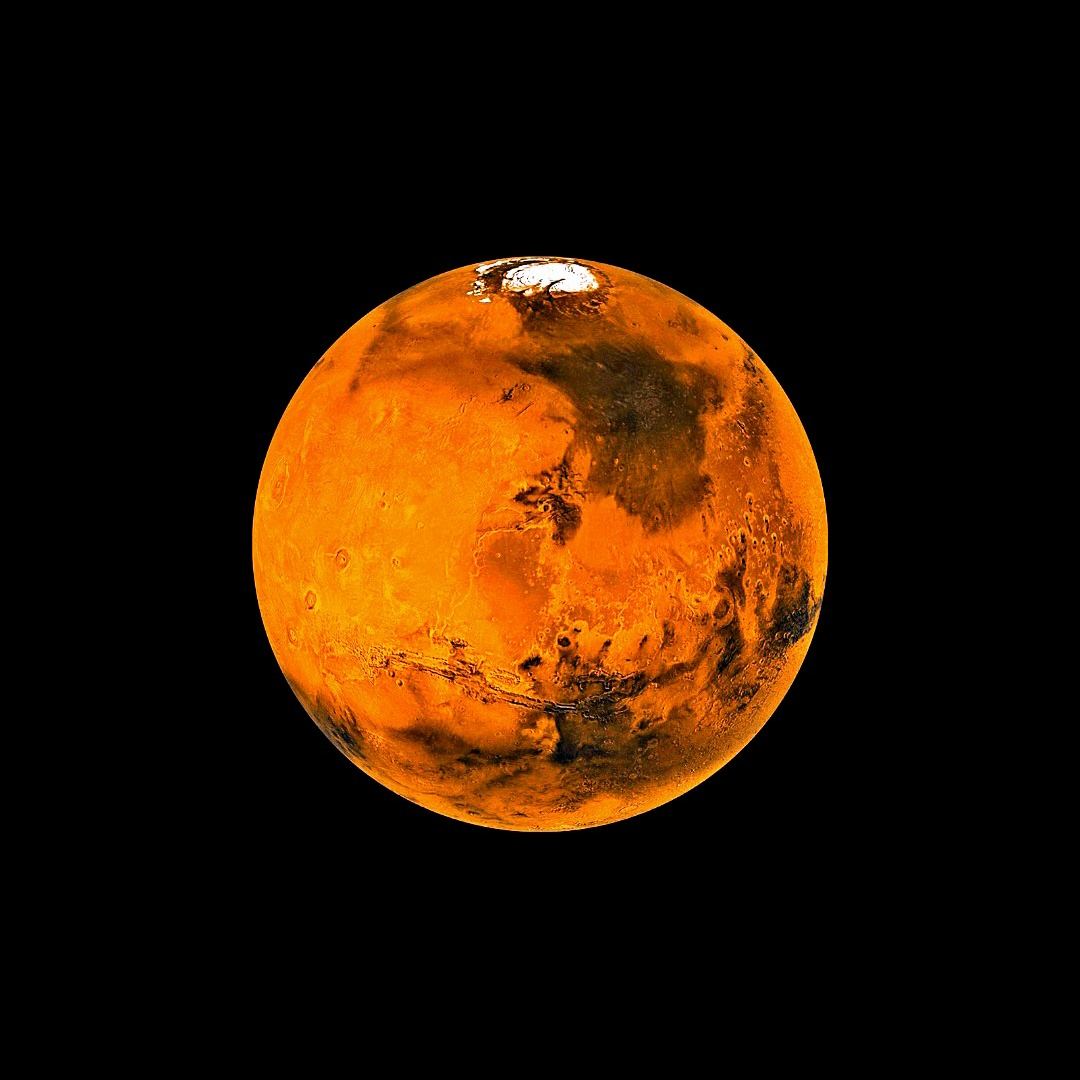
Some of the most valuable objects on Mars right now are metal tubes lying on its red surface, each one sealed around a core of rock or a scoop of soil collected by a rover. The samples were chosen deliberately: layered sediments from an ancient lakebed, volcanic rocks that can date events, and material altered by water long ago. Analysed in laboratories on Earth, such samples could answer questions no rover instrument can settle alone, from the precise age of Martian rocks to whether the chemistry of that old lake was friendly to life. The tubes wait on the surface as a carefully catalogued archive of another world, built one drilling site at a time. Each new tube added to the cache increases the scientific return of the whole collection, because comparisons between sites are where many answers will eventually come from.
What the Evidence Shows
Sample science is a discipline of patience and documentation. Each tube is photographed, located precisely and paired with images of the outcrop it came from, so future analysts know its full context. Engineers designed the tubes to keep their contents clean and sealed through years of cold, dust and radiation. Mission planners continue to study how the samples might one day be collected and launched from Mars, a challenge involving landers, ascent rockets and orbital capture. Even before any return journey, the cached collection has value: it concentrates exploration on the most informative rocks. For planetary scientists, the tubes represent a promise that the best evidence from Mars will eventually meet the best instruments on Earth. Until the tubes are opened, their contents remain the best-kept samples in the solar system, guarded by distance, engineering and the patience of the teams waiting. Reporting and analysis from sources such as NASA track the same developments, and specialists following sealed Mars sample tubes say the direction is now consistent across independent lines of evidence.
The Wider Context
Funding bodies are watching sealed Mars sample tubes closely because the work sits at the junction of basic curiosity and practical return. Grant panels increasingly ask for a path from discovery to application, while researchers push back that the most valuable uses of fundamental science are rarely the ones written into the original proposal. The tension is productive when both sides stay honest about timescales.
What Happens Next
The long view on sealed Mars sample tubes is that fields advance by accumulation rather than by single announcements. This result adds a solid, checkable piece to a structure many teams are building, and its authors have shared their data so the piece can be tested from every side. That is how the picture eventually becomes reliable enough to act on. You can follow related developments in our coverage of science.
It is also worth remembering how quickly the picture in this area has changed before. Positions that looked settled a few years ago have been revised as new data arrived, and the same humility is appropriate now. The strongest coverage of this subject, and the most useful advice, tends to come from sources that update their views openly when the facts move, rather than defending an earlier position long after it has stopped fitting the evidence available.

