

A Motor Protection Circuit Breaker, or MPCB, plays a crucial role in safeguarding electric motors from potential hazards. These specialized devices offer protection against issues such as overloads, short circuits, and phase failures, which can significantly reduce the lifespan of motors. Properly utilizing an MPCB is essential to minimize downtime and costly repairs, ensuring optimal performance of electric motors.
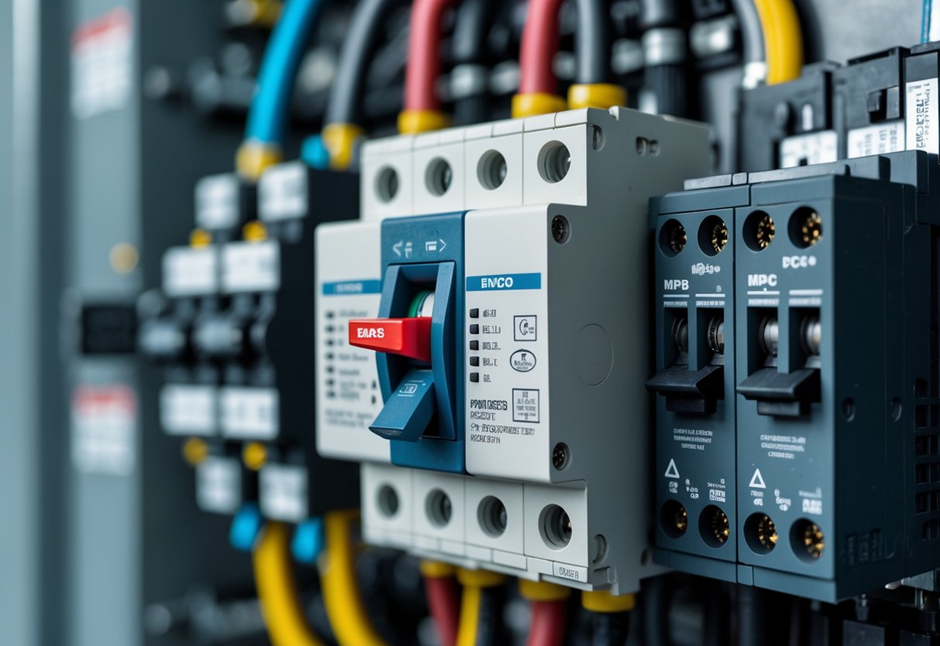
In many industrial and commercial settings, electric motors power various equipment, from conveyor systems to ventilation fans. Without adequate protection, these motors can experience severe damage due to electrical faults. An MPCB is designed not only to detect these faults but also to interrupt power instantly, preventing further harm.
Understanding the functions and advantages of motor protection circuit breakers is vital for those involved in electrical management. By integrating the benefits of traditional circuit breakers with specialized motor protection features, an MPCB ensures reliable operation and longevity of motors across multiple applications.
What Is a Motor Protection Circuit Breaker (MPCB)?
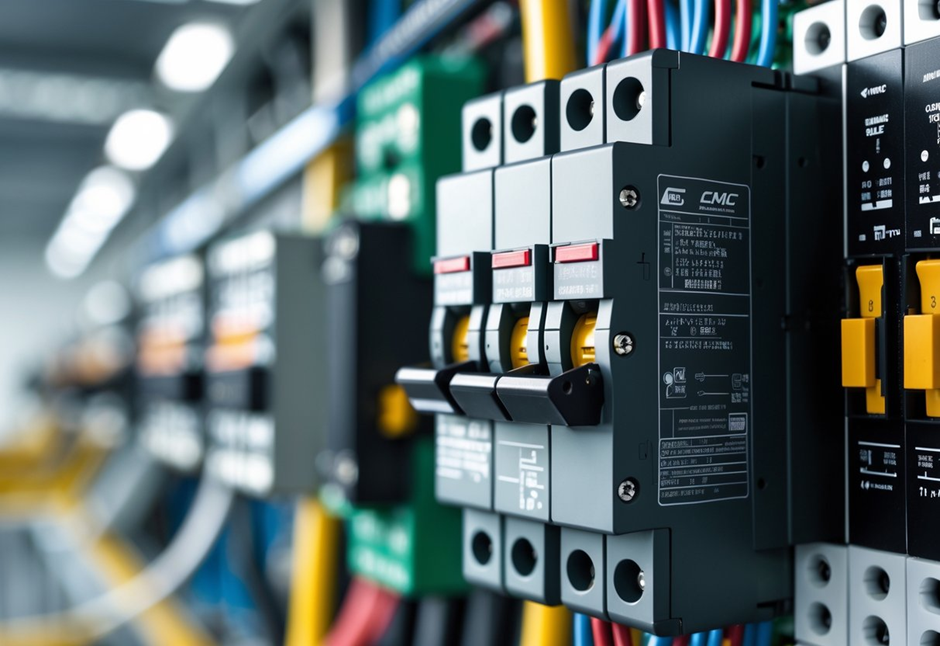
A Motor Protection Circuit Breaker (MPCB) is a specialized device designed to protect electric motors from various electrical issues. This includes overloads, short circuits, and phase failures, which can cause significant damage to motors and equipment. Understanding its purpose, features, and how it differs from standard circuit breakers can help users ensure better motor protection.
Purpose and Importance in Motor Circuits
The primary purpose of an MPCB is to safeguard electric motors by quickly interrupting power during harmful conditions. This protects the motor from overheating and damage that could lead to costly repairs or downtime.
MPCBs are essential in industrial and commercial settings where motors operate continuously. They help maintain operational efficiency and safety by preventing potential electrical hazards. In addition, they enable a smoother restart process after a fault has occurred, enhancing operational reliability.
Key Features and Functions
MPCBs are equipped with several important features that enhance their protective capabilities. Key functions include:
- Overload Protection: Senses when a motor draws too much current, indicating possible overloading, and disconnects the power supply.
- Short Circuit Protection: Detects rapid surges in current, which typically indicate a short circuit, and interrupts power instantly.
- Phase Failure Protection: Monitors the balance of load across phases, preventing motor operation during phase loss or imbalance conditions.
These features allow for a tailored approach to motor protection, giving users confidence that their electric motors are safe from common faults.
Differences from Standard Circuit Breakers
While standard circuit breakers provide general protection for electrical circuits, MPCBs are specifically designed for electric motors. The differences are significant:
- Sensitivity: MPCBs are more sensitive to motor-specific faults, such as overloads and phase failures, compared to traditional breakers.
- Restart Lockout: Some MPCBs include a restart lockout feature, which prevents the motor from automatically restarting after a fault.
- Thermal and Magnetic Protection: MPCBs combine thermal and magnetic protection tailored for motor applications, while standard breakers may not have this combined functionality.
These distinctions make MPCBs more suitable for ensuring the longevity and safety of electric motors compared to standard circuit breakers.
Protection Mechanisms in MPCBs
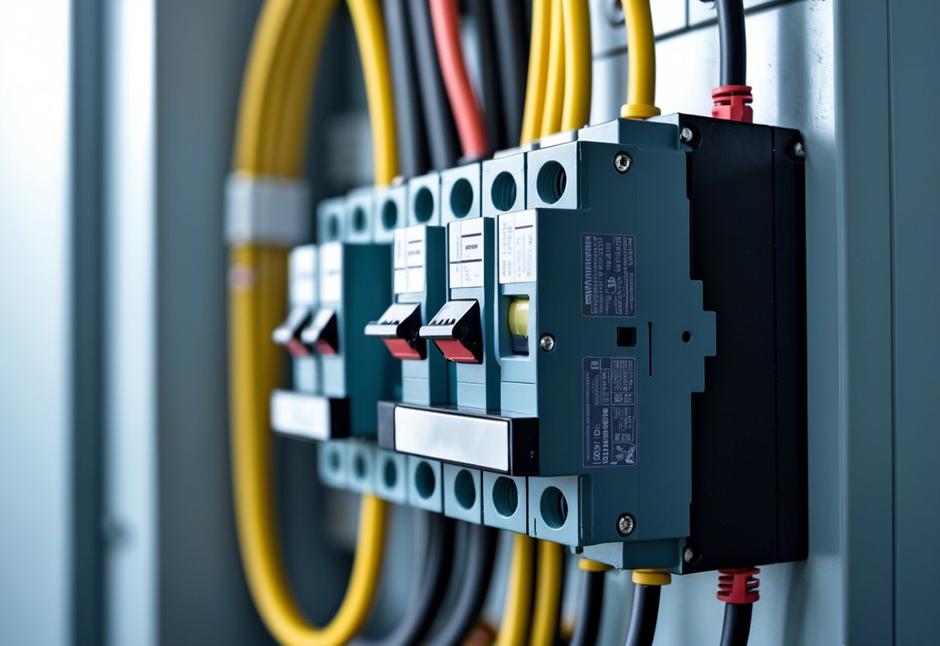
Motor Protection Circuit Breakers (MPCBs) utilize several mechanisms to safeguard electric motors from various faults. Key features include protection from overloads, short circuits, and phase imbalances. Understanding these mechanisms is essential for ensuring motor safety and longevity.
Overload Protection
Overload protection in MPCBs is critical for preventing motor damage due to excessive current. This is achieved through a thermal overload relay that uses a bimetallic strip. When the motor experiences an overload, the strip heats up and bends, triggering the circuit to break. This prevents overheating and potential failure of the motor.
MPCBs can be equipped with a current adjuster, allowing users to set the overload threshold according to the motor’s specifications. This customization ensures that the protection aligns with the operational limits of the motor, providing effective protection.
Short Circuit and Magnetic Protection
Short circuit protection is vital for preventing immediate damage to a motor when a fault occurs. MPCBs feature a magnetic trip unit that reacts quickly to sudden current surges. In a short circuit condition, the magnetic trip unit activates a plunger, which opens the circuit almost instantaneously.
This rapid response minimizes damage caused by high fault currents. Typically, the magnetic trip is designed for a fixed current setting, ensuring that the unit trips before the motor components can be damaged by excessive energy.
Phase Loss and Phase Imbalance Protection
Phase loss and phase imbalance can severely affect motor operation. MPCBs include mechanisms to protect against these conditions. Phase loss protection ensures that if one phase of the power supply fails, the MPCB will trip, preventing the motor from running under unsafe conditions.
Additionally, phase imbalance protection detects unequal voltage levels across different phases. This imbalance can cause motors to operate inefficiently or become damaged. The MPCB’s internal monitoring systems ensure that motors operate smoothly, protecting them from potential damage.
Thermal Delay and Automatic Reconnection
Thermal delay functions in MPCBs allow for controlled operation during temporary overloads. This feature helps the motor restart automatically after a short interruption, providing a delay period. This prevents nuisance tripping during brief surges, allowing the motor time to cool before re-engaging.
Automatic reconnection features further enhance convenience. If an overload condition resolves itself, the MPCB can reset automatically to restore power without human intervention. This ensures that the motor returns to operation quickly after a fault, enhancing system uptime.
Types of Motor Protection Circuit Breaker
Motor Protection Circuit Breakers (MPCBs) come in various types, each tailored for specific functions and applications. Understanding these types is crucial for selecting the right MPCB for protecting electric motors from faults like overload and short circuits. Below are the main categories of MPCBs.
Thermal Magnetic MPCB
Thermal Magnetic MPCBs combine two key protection mechanisms: thermal overload protection and magnetic short circuit protection. The thermal component uses a bimetallic strip that bends when heat increases from prolonged overcurrent, triggering a trip to prevent overheating. The magnetic part activates instantly during high fault currents, disconnecting the circuit in less than 5 milliseconds.
This type of MPCB is widely used due to its reliability and effectiveness in ordinary industrial applications. They offer a balance between affordability and functionality. Ideal for both motor starting and stopping, Thermal Magnetic MPCBs are versatile and suitable for various operational conditions, making them popular choices for many industries.
Electronic MPCB
Electronic MPCBs integrate advanced technology with precise control functionalities. They utilize electronic sensors to monitor motor current and performance, providing adjustable protection settings. This allows for tailored responses to various electrical fault conditions with high accuracy.
Unlike traditional thermal magnetic models, Electronic MPCBs can feature more complex trip curves, allowing for flexibility in usage. They often include digital displays for real-time monitoring and diagnostics. These benefits make Electronic MPCBs more suitable for sensitive applications, like servomotors and variable frequency drives, where precise protection is critical.
Adjustable and Fixed MPCBs
Adjustable and Fixed MPCBs differ primarily in their trip settings. Adjustable MPCBs allow users to manually set the current trip levels based on specific motor characteristics and operating conditions. This flexibility helps adapt to varying loads and startup conditions, reducing unnecessary tripping.
Fixed MPCBs, on the other hand, come with pre-set limits defined by the manufacturer. They offer simplicity in installation and use, making them a cost-effective choice. While Fixed MPCBs serve many standard applications well, Adjustable MPCBs provide enhanced adaptability and are better for environments with fluctuating electrical loads or specialized equipment.
Both types ensure reliable motor protection, helping to prevent damage and extend operational life.
MPCB Working Principle and Construction
The Motor Protection Circuit Breaker (MPCB) is vital for protecting electric motors from overloads and short circuits. Understanding its working principle and construction helps reveal how it offers these protections.
Working Principle of MPCB
The MPCB operates on two main principles: thermal protection and magnetic protection. Thermal protection is managed by a bimetallic strip that bends under excessive heat generated from high current flow. When the current exceeds a preset value, the strip bends enough to trigger the tripping mechanism.
Magnetic protection is provided through a plunger and current transformer. In the event of a short circuit, the current transformer detects a sudden increase in current and sends a signal to the magnetic trip mechanism, causing the plunger to activate. This dual mechanism ensures that the motor is swiftly disconnected from the power supply during faults, mitigating potential damage and ensuring safety.
Internal Components and Operation
MPCB consists of several key components that contribute to its functionality. The main contact is crucial for carrying the load from the power source to the motor. It includes fixed and moving contacts, both made of robust materials like copper tungsten to withstand high currents.
The arc chute plays a significant role in safely extinguishing electrical arcs when the circuit opens. It contains copper plates designed to break the continuity of the arc effectively. The enclosure houses all components, protecting them from external hazards while ensuring operational safety.
By employing these internal parts, the MPCB effectively monitors and protects electric motors, making it a reliable choice for various applications.
Selecting and Sizing a Motor Protection Circuit Breaker
Selecting and sizing a Motor Protection Circuit Breaker (MPCB) is crucial to ensure proper protection for electric motors. This process involves understanding specific guidelines and key parameters that define the MPCB’s effectiveness in various applications.
MPCB Sizing Guidelines
When sizing an MPCB, it is essential to consider both the motor’s nameplate specifications and the typical operating conditions. The MPCB must be capable of handling the inrush current when the motor starts. This inrush can be 500% to 800% of the motor’s normal operating current for just a few seconds. Typically, the MPCB should be rated to allow this high inrush.
A general rule of thumb is to select an MPCB with a rating that matches the motor’s nameplate current, accounting for both startup and running conditions. Adjustable MPCBs can offer flexibility, allowing for a custom setup that aligns with specific motor requirements.
Key Parameters: Rated Current, Voltage, and Breaking Capacity
Three critical parameters need attention when selecting an MPCB:
- Rated Current: The MPCB rating should match the motor’s nameplate current. For example, if a motor has a rated current of 20 amps, the MPCB selected should handle that value, ensuring it will trip only during an overload situation.
- Rated Voltage: The MPCB must also be compatible with the motor’s rated voltage. Common ratings include 230 V, 400 V, and 660 V. Using an MPCB with mismatched voltage can lead to failure or inadequate protection.
- Breaking Capacity: This indicates the maximum fault current the MPCB can safely interrupt. A higher breaking capacity is crucial in environments with potential high fault currents, ensuring safe operation during electrical faults.
MPCB Specification Charts
MPCB manufacturers often provide specification charts that simplify the selection process. These charts include data on thermal and magnetic release settings, allowing for easy comparison between models.
For example, a specification chart may detail the following:
| Model | Rated Current | Voltage Rating | Breaking Capacity |
| SGV2-ME | 20A – 32A | 230V, 400V | 10 kA |
| Advanced MPCB | 16A – 50A | 400V, 500V | 15 kA |
Using these charts, an individual can quickly assess which MPCB suits their motor’s specifications. It is essential to guarantee that the selected MPCB aligns with the motor’s operational needs for safe and efficient performance.
Applications and Integration in Motor Control Circuits
Motor Protection Circuit Breakers (MPCBs) play a vital role in protecting electric motors and enhancing control capabilities. They are essential in various applications and are integrated into motor control circuits in multiple ways.
Typical Industrial and Commercial Applications
MPCBs are widely used in industrial and commercial settings where electric motors are essential. Common applications include:
- Pumps and Fans: For fluid movement and ventilation.
- Conveyor Systems: To transport goods efficiently.
- Squirrel-Cage Induction Motors: Often found in manufacturing processes.
In these applications, MPCBs ensure safe motor operation by protecting against overloads, phase failures, and short circuits. This helps to maintain productivity while minimizing downtime and maintenance costs. In smaller operations, they are also used in appliances such as HVAC systems to protect motors during start-up and operation.
Integration with Starters, Contactors, and MCCBs
MPCBs are often integrated with motor starters, contactors, and Motor Circuit Breakers (MCCBs) in motor control circuits.
- Starters: MPCBs complement reduced voltage motor starters by providing additional protection during the starting phase, where inrush current can be high.
- Contactors: These devices work alongside MPCBs to handle the electrical load when motors are activated or deactivated.
- MCCBs: Integration of MPCBs with MCCBs offers comprehensive protection. While MCCBs guard against overloads, MPCBs specifically target motor-related faults.
This integration ensures that the entire motor control circuit operates smoothly and safely, reducing the risk of damage and operational issues.
Benefits in Motor Management and Control
MPCBs contribute significantly to motor management and control by offering features like:
- Fault Signaling: Many MPCBs provide indicators for electrical faults, allowing for quick diagnosis and maintenance.
- Under-Voltage Protection: They prevent damage to motors when voltage levels drop below safe thresholds.
- Phased Monitoring: This ensures balanced loads, critical for the efficient operation of asynchronous motors.
By integrating these features, MPCBs enhance reliability and longevity in motor-driven applications, while also promoting efficient use of energy. This kind of management is crucial in settings where continuous operation is essential for production and service.
For more details and to explore their full range of offerings, customers can visit the Gabby Electric. This platform is designed to meet the needs of various electrical applications effectively.

