

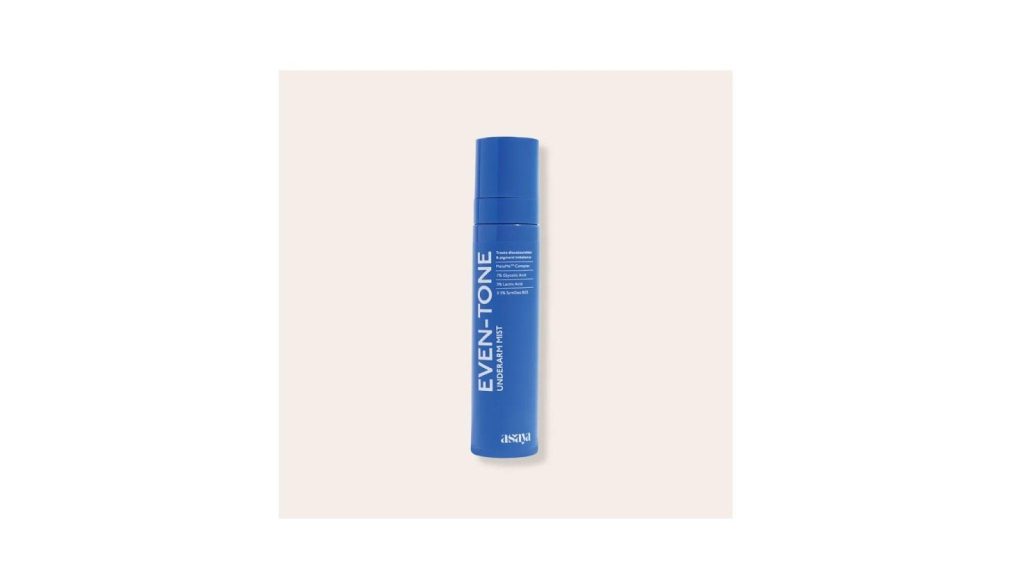
Underarm pigmentation is a common concern affecting many, yet it is often misunderstood or neglected. Unlike facial or sun-exposed areas, the underarm is prone to darkening due to a unique combination of skin sensitivity, friction, and product exposure. Understanding the underlying causes is essential to choosing a safe and effective underarm darkening treatment rather than relying on superficial remedies. Discoloration does not occur overnight; it develops gradually, often as a result of repetitive irritation, improper grooming, or unsuitable skincare products. A structured approach that addresses root causes, incorporates preventive care, and applies corrective strategies ensures long-term results.
This guide offers a comprehensive exploration of biological factors, lifestyle influences, daily care, and corrective strategies, equipping readers with practical insights for achieving balanced and healthy underarm skin.
Causes Behind Underarm Pigmentation
Understanding why underarm skin darkens is crucial before selecting any treatment. The main contributors include:
- Melanin Overproduction: Skin produces pigment as a natural defense against irritation or inflammation. Chronic exposure to friction, sweat, or chemical irritants can trigger overactive melanin production. Over time, this leads to noticeable darkening of the underarm area.
- Friction and Mechanical Stress: Repeated rubbing from tight clothing or frequent arm movement can injure the skin. Micro-injuries signal the skin to produce extra pigment as part of the healing process. Persistent friction contributes significantly to gradual underarm darkening.
- Hair Removal Practices: Shaving, waxing, or plucking can irritate and damage delicate underarm skin. This trauma triggers the skin’s natural healing response, often causing excess pigmentation. Frequent hair removal without proper care increases the risk of hyperpigmentation.
- Sweat and Moisture: Excessive perspiration changes the skin’s natural pH balance. A moist environment promotes bacterial growth, which can aggravate pigmentation. Over time, constant moisture can cause uneven skin tone and dark patches.
- Chemical Irritation: Alcohol-based deodorants or harsh cleansers can inflame sensitive underarm skin. Repeated chemical exposure stimulates the skin to produce more pigment. This makes existing darkening more pronounced and persistent.
Lifestyle and Habit Factors Affecting Pigmentation
Certain daily behaviors significantly influence underarm skin tone and should be considered when planning treatment:
- Inconsistent Hygiene or Skincare: Residue buildup from sweat, deodorants, or body oils can clog pores and hinder skin renewal. This disruption slows the natural turnover of skin cells, preventing tone normalization. Over time, neglected hygiene contributes to the gradual darkening of the underarm area.
- Clothing Choices: Tight or synthetic fabrics trap heat and moisture, creating a breeding ground for irritation. Constant friction from such clothing stimulates excess pigment production in the skin. Choosing breathable fabrics helps reduce pigment buildup and keeps the underarms lighter.
- Excessive Product Use: Frequent exfoliation or constantly switching deodorants can destabilize the skin barrier. Overuse of strong products inflames the delicate underarm area, triggering hyperpigmentation. Maintaining a gentle, consistent skincare routine prevents worsening of dark patches.
- Neglect After Hair Removal: Skipping soothing or protective products after shaving or waxing prolongs inflammation. The skin’s healing process slows, giving pigment-producing cells more time to darken tissue. Proper aftercare supports recovery and helps maintain even skin tone over time.
- Lack of Patience: Impatience often leads to over-application of strong lightning creams or harsh treatments. This can irritate and damage the skin, making pigmentation worse instead of better. Gradual, consistent care is key to safely achieving visible improvement in underarm tone.
Core Principles of Daily Care
Effective care focuses on maintaining healthy skin, preventing further pigmentation, and supporting natural renewal:
- Gentle Cleansing: Use mild, non-stripping cleansers to effectively remove sweat, deodorant, and residue. This protects the skin’s natural barrier and prevents irritation. Consistent gentle cleansing maintains healthy, even-toned underarm skin over time.
- Hydration and Barrier Support: Apply moisturizers with nourishing ingredients to soothe and protect delicate skin. Hydration reduces sensitivity, limits inflammation, and helps prevent pigmentation buildup. A strong skin barrier promotes a more even and resilient underarm tone.
- Choosing the Right Formulations: Opt for products free from harsh chemicals, alcohol, and fragrance to minimize irritation. Gentle formulations support long-term skin health and prevent pigment darkening. Selecting the right products ensures consistent care without compromising skin integrity.
- Controlled Exfoliation: Incorporate mild exfoliation occasionally to remove dead skin cells. This encourages natural skin regeneration without overstressing the delicate underarm area. Regular, controlled exfoliation supports a smoother and more uniform skin tone.
- Consistency: Maintain a regular skincare routine to allow the skin to recover and respond gradually. Consistent care prevents setbacks caused by neglect or overuse of harsh products. Steady, long-term habits ensure visible, lasting improvement in underarm pigmentation.
Corrective Approaches for Safe Improvement
Once causes are identified and daily care optimized, corrective measures can be applied carefully:
- Calming Inflammation: Focus on treatments that soothe irritated underarm skin and reduce redness. Lowering inflammation helps prevent further melanin overproduction and darkening. Gentle care ensures the skin heals effectively while staying protected.
- Targeted Pigmentation Control: Use formulations with mild, dermatologically tested actives designed for pigmentation. These support gradual, natural lighting without compromising skin integrity. Targeted care addresses dark patches while maintaining overall skin health.
- Recovery and Rest Cycles: Avoid overusing corrective products to prevent additional stress or rebound pigmentation. Allow intervals between treatments to give skin time to regenerate and repair. Balanced application cycles ensure safe, effective, and lasting results.
- Integrating Lifestyle Adjustments: Wear protective, breathable clothing to reduce friction and irritation. Practice mindful grooming and avoid habits that trigger pigment formation. Combining lifestyle changes with treatment enhances results and maintains improvements.
- Realistic Expectations: Understand that achieving an even underarm tone takes consistent, gradual care. Focus on healthy, balanced skin rather than abrupt or artificial lighting. Patience and adherence to a proper routine are key to sustainable results.
Final Thoughts
Underarm pigmentation is a multifaceted issue influenced by biology, habits, and external factors. Addressing it effectively requires a holistic approach: understanding causes, adopting preventive care, applying gentle corrective strategies, and maintaining long-term routines. A thoughtful underarm darkening treatment does more than lighten skin; it restores balance, supports sensitivity, and ensures lasting improvement.
For individuals seeking professional-grade, skin-conscious solutions designed around these principles, World of Asaya provides carefully formulated products that combine scientific research with gentle, results-driven care. Each product is crafted to support natural skin renewal, calm irritation, and gradually restore even tone. By integrating these solutions into a consistent routine, users can achieve healthier, smoother, and more radiant underarm skin, promoting confidence and long-lasting skin wellness over time.

