

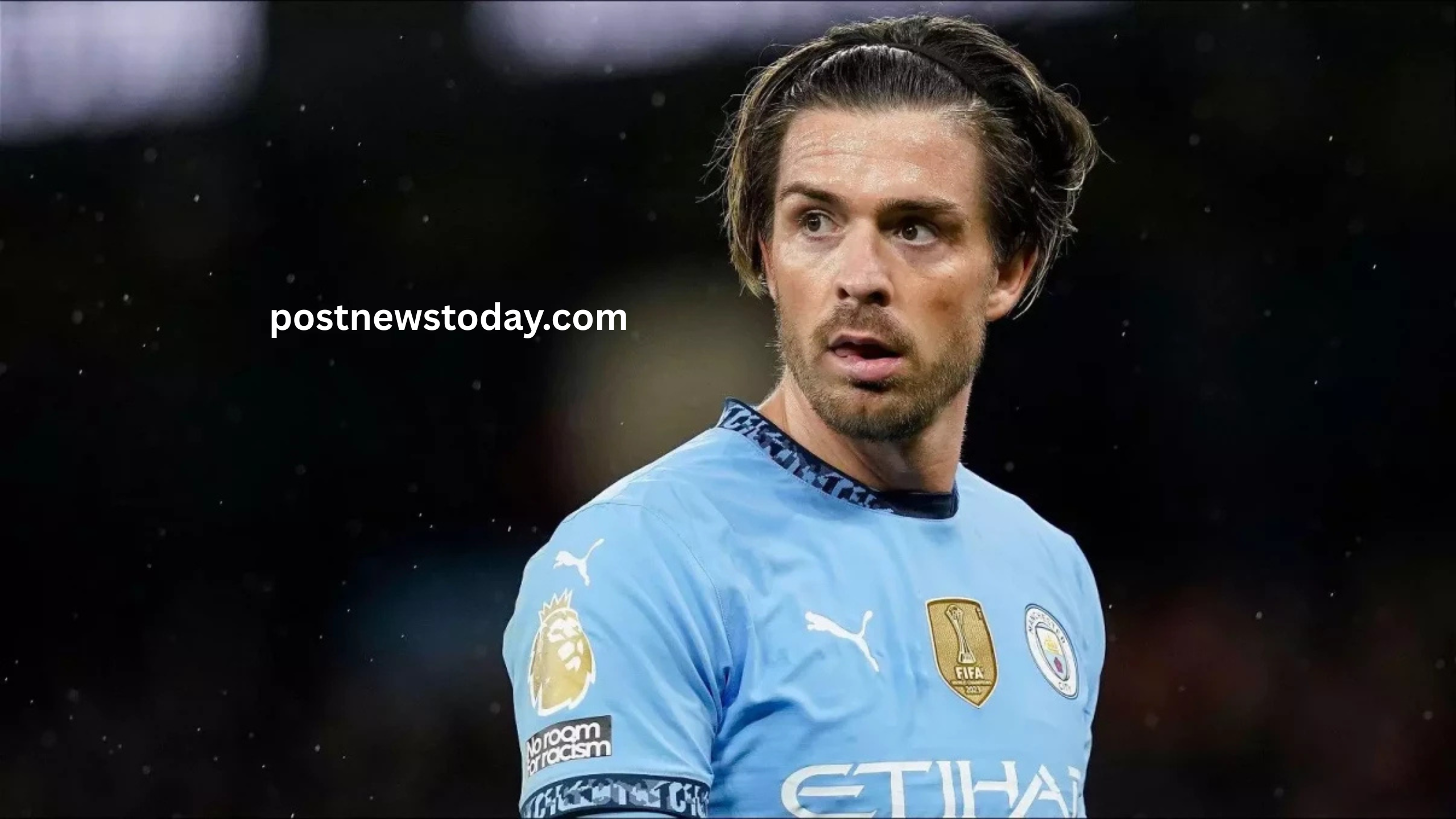
Manchester City, reigning champions of Europe and England, have made headlines once again—not just for their performance on the pitch but also for the surprising decision regarding the squad for the upcoming FIFA Club World Cup. As they prepare for the prestigious tournament in the United States, one name is notably absent from the list: Jack Grealish.
Grealish, a marquee signing and a fan favorite, has been excluded from the team traveling to the U.S., raising questions among fans, pundits, and football insiders. Whether it’s a tactical decision, a fitness issue, or part of a broader squad management strategy, the omission has sparked speculation and debate.
This article dives deep into the details surrounding Manchester City’s Club World Cup campaign, analyzes Grealish’s form and fitness, examines Pep Guardiola’s strategy, and explores what this move means for the future of the player and the club.
The Club World Cup: A Global Stage for Champions
The FIFA Club World Cup is a unique tournament that brings together the champions of each continent’s premier club competition. For Manchester City, winning the UEFA Champions League secured their place in this elite competition. The tournament will be held in the United States, giving City a global platform to showcase their dominance and further expand their brand across the Atlantic.
This year’s competition features clubs from every corner of the world, including:
- Manchester City from Europe
- Fluminense representing South America
- Urawa Red Diamonds from Asia
- Al Ahly representing Africa
- Club León from North America
- Auckland City representing Oceania
- Al-Ittihad from the host nation
For Pep Guardiola, the Club World Cup represents a chance to complete a historic trophy haul at City. It’s the only major competition he has not yet won with the club. For the players, it’s an opportunity to shine on a different international stage and claim global bragging rights.
Jack Grealish: The Shocking Omission
When the official squad was announced, the absence of Jack Grealish immediately stood out. The winger, known for his dribbling flair and creativity, has been a consistent figure in Guardiola’s setup since his arrival from Aston Villa. Despite facing injury setbacks and periods of fluctuating form, Grealish remains one of the most high-profile players in the squad.
Fans and analysts began speculating immediately. Why was Grealish left out? Was he injured? Was there a fallout behind the scenes? Or was this simply a case of managing workloads in a congested season?
According to initial reports from within the club, the decision was rooted in a combination of tactical planning and ongoing fitness concerns. While Grealish had returned to training, he was reportedly not at the level required for full competitive action. Guardiola, known for his meticulous attention to detail, may have opted for players with higher match sharpness.
Tactical and Strategic Considerations
Guardiola has never shied away from making bold decisions when it comes to squad management. His tactical flexibility often leads him to prioritize form over reputation. The exclusion of Grealish could be part of a broader plan to tailor the squad for specific opponents in the Club World Cup.
Manchester City are expected to face physical and varied styles of play during the tournament. Opponents from Africa, Asia, and the Americas often bring different tactical challenges compared to the European stage. Players with higher defensive work rates, physical endurance, and adaptability may have been prioritized.
There’s also the possibility that Guardiola is preserving Grealish for the long term. With crucial Premier League and Champions League fixtures ahead, resting a key player and avoiding further injury might be viewed as a wise strategic move.
Grealish’s Form and Injury Struggles
Grealish’s time at Manchester City has seen moments of brilliance, but also stretches of inconsistency. Since arriving at the club, he has dealt with injuries, intense competition for places, and the pressure of his hefty transfer fee.
In the current season, his performances have been a mix of promise and frustration. He has struggled to lock down a starting position, often rotated with the likes of Phil Foden, Bernardo Silva, and Jeremy Doku. While his ball retention and creativity remain valuable, critics have pointed to a lack of end product in key games.
The physical toll of City’s intense playing style, combined with a congested fixture schedule, seems to have caught up with him. Minor knocks and fatigue have limited his ability to train consistently, making him a less certain choice for a high-intensity tournament abroad.
Fan Reaction and Media Buzz
The fanbase’s reaction to Grealish’s exclusion has been mixed. While some support Guardiola’s decision, trusting the manager’s judgment, others are disappointed not to see their beloved star representing the club on a global stage.
Social media lit up with speculation, some suggesting it signaled a waning influence at the club, while others viewed it as a temporary setback. Sports journalists across the footballing world weighed in, with various pundits analyzing whether this decision could impact Grealish’s long-term future at Manchester City.
The media buzz has kept the story in the headlines, fueling a broader conversation about squad rotation, player welfare, and the challenges of maintaining elite performance levels in modern football.
The Rest of the Squad: Who’s In?
While Grealish was left behind, the rest of the squad features a mix of established stars and rising talents. Guardiola has selected a group that combines experience, versatility, and tactical intelligence.
Key names include:
- Erling Haaland, who continues to be City’s goal machine
- Kevin De Bruyne, now fully fit and orchestrating the midfield
- Rodri, the midfield anchor vital to City’s balance
- Ruben Dias and John Stones, reliable defensive leaders
- Phil Foden, enjoying his best season yet
- Jeremy Doku, the explosive new signing offering width and pace
- Mateo Kovacic and Matheus Nunes, midfield reinforcements with energy and composure
Young talents from the academy also feature, showing Guardiola’s commitment to developing the next generation of stars. This squad is built not just to win, but to adapt to the varying styles they will face in the Club World Cup.
Guardiola’s Club World Cup Ambitions
For Guardiola, winning the Club World Cup would be a milestone moment. Having already won it during his time at Barcelona and Bayern Munich, he now seeks to complete his Manchester City trophy cabinet with this elusive international club title.
He has emphasized the importance of this tournament, not just from a sporting perspective, but for the club’s global profile. Competing in the United States also provides a marketing opportunity, with the American soccer audience growing at a rapid pace.
City’s campaign will likely involve facing sides with contrasting styles. Whether it’s the technical finesse of a South American champion or the physicality of a North African side, each game presents unique tactical puzzles.
Guardiola’s team is known for adapting and evolving, and this tournament offers another chance to demonstrate their footballing intelligence on a world stage.
Grealish’s Future at City: A Turning Point?
The decision to leave Grealish out of such a significant tournament raises questions about his future at the club. While no immediate concerns have been voiced from the player or the club, football is an ever-changing landscape.
If Grealish remains on the fringes during key matches and tournaments, it could affect his long-term role at Manchester City. Players of his caliber naturally desire more consistent involvement, and prolonged absences could lead to frustration.
However, it’s also possible that this decision is part of a careful recovery plan. Guardiola has shown patience with players returning from injury in the past. If Grealish can regain peak form, he may still play a critical role in the second half of the season.
The next few months will be telling. Grealish’s response—on and off the pitch—will determine whether this exclusion is a minor blip or a sign of deeper shifts within the squad dynamics.
Frequently Asked Questions
What is this topic about?
This topic provides detailed information on a specific subject, aiming to inform, educate, or explain a key issue or development clearly and accurately.
Who is this information intended for?
This is for readers who are interested in gaining a deeper understanding of the topic—whether they are casual readers, professionals, students, or enthusiasts.
Why is this topic important?
It addresses current issues, innovations, or events that affect people’s lives, shape industries, or influence society as a whole.
Where can I find more resources or updates about this topic?
You can follow credible news outlets, academic journals, or official websites related to the subject matter for the latest updates.
Can I share this information with others?
Absolutely. Sharing accurate and verified information helps spread awareness and encourages informed discussions.
What should I do if I have more questions?
Feel free to reach out via comment sections, forums, or contact forms related to the original article or platform hosting this information.
Conclusion
In summary, this topic highlights important developments and insights that matter to individuals, communities, and industries. Understanding the key facts, implications, and future outlook allows readers to stay informed and prepared. As with any evolving subject, continued engagement, critical thinking, and curiosity are encouraged to remain up to date and aware of changes.
