

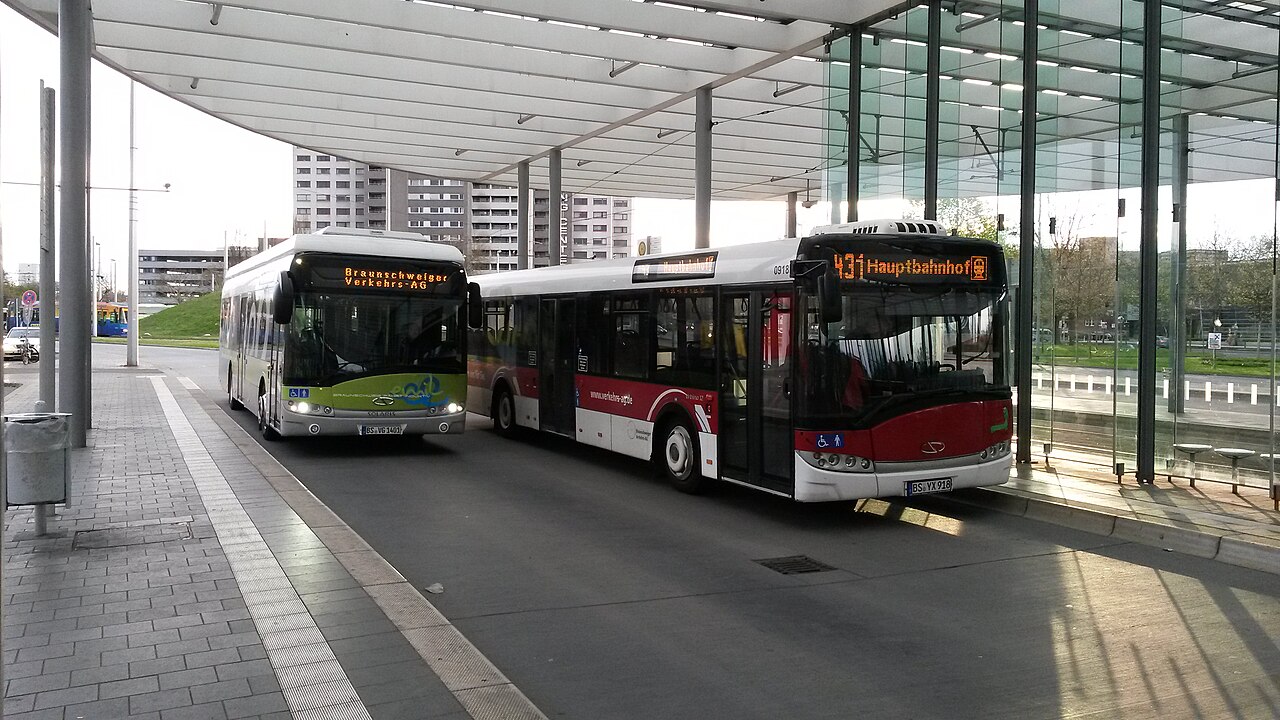
Electric buses are changing the rhythm of the depot as much as the ride on the street. Instead of queuing for diesel at the end of a shift, vehicles now plug in during the natural pauses in the working day, including the breaks drivers already take between peak services. Transport operators trialling this pattern say topping up little and often keeps batteries in their healthiest range, reduces the need for huge overnight charging halls and smooths demand on the local grid.
The approach sounds simple, but it rests on careful scheduling. Software matches each bus to a charger based on its next route, its current charge and the price of electricity at that hour. A bus heading out for a short school run may need only a brief boost, while one facing a long evening route gets a longer session. Depot managers describe the system as a puzzle that solves itself dozens of times a day, with staff intervening only when a charger faults or a service runs late.
Why Break-Time Charging Works
Battery specialists have long advised that lithium batteries last longest when they avoid sitting empty or completely full for long periods. Short, frequent charges during layovers keep vehicles in the comfortable middle band, which can extend pack life and delay the most expensive replacement a bus will ever need. The pattern also spreads electrical load across the day, so depots can often avoid costly grid upgrades that a single overnight surge would demand. Guidance from the International Energy Agency notes that managed charging is one of the cheapest tools cities have for integrating electric transport at scale.
Drivers Notice the Difference
For drivers, the change is mostly about quiet. Electric buses accelerate smoothly, vibrate less and remove the fumes that used to hang around fuel islands. Break-time plugging does add a small task to the layover routine, and unions have negotiated clear rules so charging duties never eat into rest time. Operators that got this wrong in early pilots saw resistance; those that designed rosters with drivers from the start report that the new routine becomes automatic within weeks.
The Costs Still Need Watching
None of this removes the upfront challenge. Electric buses cost more to buy than diesel models, chargers need installation and maintenance, and depots in older buildings sometimes need structural work before heavy equipment can be fitted. What break-time charging changes is the operating picture: energy bought at off-peak prices, fewer moving parts to service and batteries that stay healthier for longer all improve the sums over a vehicle’s life. Cities publishing their results suggest the gap with diesel narrows fastest on busy urban routes with frequent stops and short layovers.
The wider lesson reaches beyond buses. Fleets of delivery vans, council vehicles and taxis all share the same pattern of work, pause and work again. Using the pauses well may prove to be the quiet trick that makes electrification affordable, one short charge at a time.

