

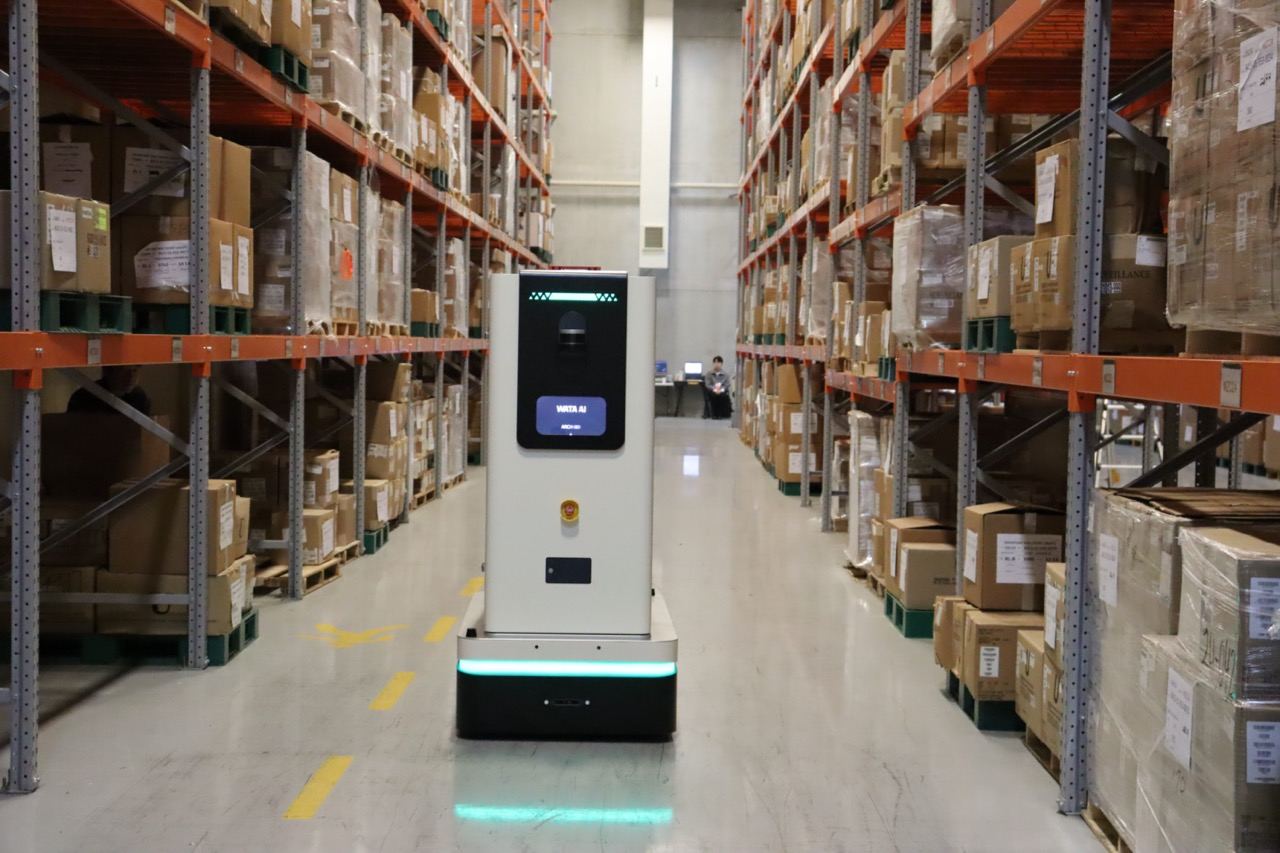
Fulfilment centres are adopting robots that swap their own batteries instead of stopping at charging docks, keeping goods moving through the busiest shopping periods. When power runs low, a robot drives to an exchange station, ejects its depleted pack and slots in a charged one within a minute. Fleet managers say removing long charging pauses lets smaller robot fleets handle the same volume of orders during peak demand. The stations also free floor space once used for parking idle machines.
What the Evidence Shows
The swapped batteries are charged slowly in rotation, which extends their working life and smooths the warehouse’s electricity demand across the day. Safety systems track each pack’s temperature and health, retiring units that show signs of wear before they cause failures on the floor. Logistics analysts note that uptime, rather than top speed, is becoming the deciding measure as retailers compete on reliable same-day and next-day delivery promises. Trials are now running in several large distribution centres overseas. Reporting and analysis from sources such as IEEE Spectrum track the same developments, and specialists following self-swapping warehouse robot batteries say the direction is now consistent across independent lines of evidence.
The Wider Context
Adoption of self-swapping warehouse robot batteries follows a familiar pattern with an unfamiliar speed. Early users tolerate rough edges in exchange for advantage, mainstream users arrive when the tool disappears into existing workflows, and the market consolidates around whoever made that transition feel effortless. Vendors are racing less on raw performance now than on integration, support and trust.
What Happens Next
The realistic forecast for self-swapping warehouse robot batteries is steady integration rather than sudden replacement: embedded in products people already use, improving in increments, and regulated in proportion to its reach. The companies and institutions that plan on that basis, training staff and redesigning processes instead of chasing launches, are the ones the adoption data tends to vindicate. You can follow related developments in our coverage of technology.
It is also worth remembering how quickly the picture in this area has changed before. Positions that looked settled a few years ago have been revised as new data arrived, and the same humility is appropriate now. The strongest coverage of this subject, and the most useful advice, tends to come from sources that update their views openly when the facts move, rather than defending an earlier position long after it has stopped fitting the evidence available.
None of this will be settled by a single announcement, study or product launch. The pattern to watch is accumulation: independent confirmations, honest reporting of failures and steady improvement in the underlying numbers. Readers who follow those signals, rather than the loudest claim of the week, will understand this subject better than most of the commentary surrounding it suggests is possible.

