

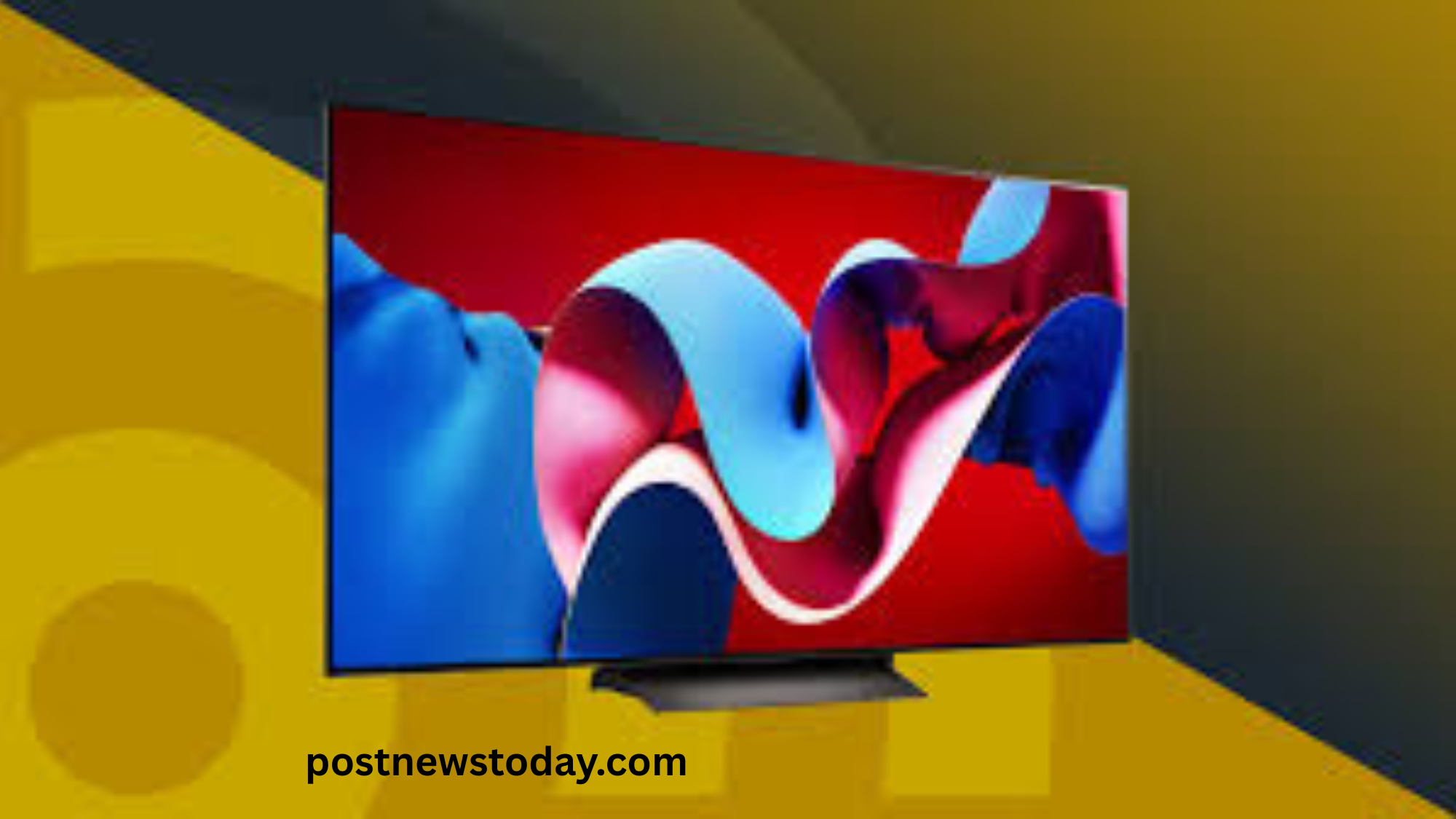
In 2025, the television industry has evolved dramatically, with major brands releasing models that push the boundaries of picture quality, smart technology, and user experience. Whether you’re a home theater enthusiast, a casual viewer, or a competitive gamer, today’s TVs offer something for everyone. Choosing the right one, however, can be overwhelming due to the variety of display technologies, features, and price points.
This comprehensive guide is designed to help you navigate the world of modern televisions. We’ll cover the best TVs of the year, break down the latest technologies, and offer buying tips to ensure you get the best value for your money.
Display Technologies Explained
Before diving into individual TV models, it’s crucial to understand the core display technologies available in 2025:
OLED (Organic Light Emitting Diode)
OLED panels offer perfect black levels and exceptional contrast ratios. Each pixel emits its own light, resulting in richer colors and deeper blacks. LG, Sony, and Samsung lead the OLED market, with new refinements increasing brightness and longevity.
QD-OLED (Quantum Dot OLED)
An advancement over traditional OLED, QD-OLED adds quantum dot layers to enhance brightness and color volume. This makes it a favorite among movie buffs and gamers alike. Samsung and Sony are pioneers in this space.
Mini-LED
Mini-LED backlighting offers improved brightness control over traditional LED TVs. It’s more affordable than OLED and provides excellent performance in bright rooms. TCL and Hisense are major players in this area.
MicroLED
MicroLED represents the future of television—offering OLED-level contrast with no risk of burn-in. These TVs are extremely expensive and still limited in size and availability, but the technology is slowly moving into consumer markets.
The Best TVs of 2025
Here are some of the top-rated TVs of the year, selected for their performance, design, and value.
LG G5 OLED
The LG G5 is one of the most acclaimed OLED TVs of the year. It features a high-brightness panel, near-instantaneous response times, and an elegant wall-mount design. Ideal for both gaming and cinematic viewing, the G5 supports Dolby Vision, Dolby Atmos, and advanced HDMI 2.1 features for next-gen consoles.
Samsung S95D QD-OLED
Samsung’s S95D continues the success of their QD-OLED lineup. It offers outstanding brightness, color precision, and a matte screen that reduces glare even in sunlit rooms. With refresh rates up to 144Hz and multiple HDMI 2.1 ports, it’s perfect for gamers and movie lovers alike.
Sony A95L QD-OLED
Sony’s A95L blends their mastery of image processing with QD-OLED tech. The result is a vibrant, cinematic picture with industry-leading motion handling. It also features Acoustic Surface Audio+—where the screen doubles as a speaker for immersive sound without extra hardware.
TCL QM8 Mini-LED
TCL’s QM8 offers stunning performance at a fraction of the price of OLED TVs. With Mini-LED technology, full-array local dimming, and high peak brightness, it performs exceptionally well in bright rooms and sports environments. It’s one of the best value picks of the year.
Hisense U8N Mini-LED
Hisense continues to challenge premium brands with the U8N. It delivers superb HDR brightness, strong motion handling, and a solid built-in speaker system. It’s ideal for budget-conscious consumers looking for high-end performance.
Key Buying Tips
When shopping for a new TV, consider these essential tips:
Screen Size and Viewing Distance
Choose a size that fits your room. As a rule of thumb, for a 4K TV, your ideal viewing distance is roughly 1.5 times the screen height.
Refresh Rate
For smoother motion, especially in gaming and sports, look for TVs with at least a 120Hz refresh rate.
HDMI 2.1 and Ports
If you’re a gamer or plan to hook up multiple devices (soundbars, consoles, streaming boxes), ensure the TV has HDMI 2.1 and enough ports.
Smart TV Platform
Each brand offers a unique smart platform (e.g., LG webOS, Samsung Tizen, Google TV, Roku). Choose one that aligns with your ecosystem and preferences.
HDR Support
Look for Dolby Vision and HDR10+ support for better contrast and color performance in supported content.
Best TVs by Category
Best for Gaming: LG G5 or Samsung S95D
Both TVs offer ultra-low input lag, fast response times, and 4K at 120Hz+ support. They also have features like VRR and ALLM for seamless gameplay.
Best Budget TV: Hisense U8N
It offers top-tier brightness, contrast, and a solid smart platform at a budget-friendly price.
Best for Bright Rooms: TCL QM8
Its Mini-LED tech and high peak brightness make it ideal for environments with lots of ambient light.
Best Home Theater Experience: Sony A95L
With its accurate color reproduction and sound-from-screen technology, it’s perfect for cinephiles.
Frequently Asked Questions
What is the difference between OLED, QD-OLED, and Mini-LED?
- OLED (Organic Light Emitting Diode) uses self-lit pixels, offering perfect black levels and excellent contrast.
- QD-OLED (Quantum Dot OLED) builds on OLED by adding a quantum dot layer for brighter, more vibrant colors.
- Mini-LED uses thousands of tiny LEDs for backlighting, delivering impressive brightness and contrast but without the perfect blacks of OLED.
Which TV size is best for my room?
TV size depends on your viewing distance and room size. For a 4K TV, a common rule is:
- 50–55 inches: Best for 6–8 feet viewing distance
- 65 inches: Best for 8–10 feet
- 75 inches or more: Ideal for 10+ feet
Is 8K worth it in 2025?
For most consumers, 8K isn’t necessary yet. Content availability remains limited, and 4K TVs already offer outstanding detail. Unless you want a screen larger than 85 inches and are future-proofing, 4K remains the best value.
How important is HDMI 2.1?
HDMI 2.1 is important for gamers and anyone using a next-gen console (PS5, Xbox Series X). It enables 4K at 120Hz, Variable Refresh Rate (VRR), Auto Low Latency Mode (ALLM), and more.
Do I need a soundbar with a new TV?
Modern TVs are thinner, which limits built-in speaker quality. While high-end models like Sony’s A95L offer solid audio, most benefit from a soundbar or surround sound setup for a richer experience.
Are smart TVs secure?
Most major TV brands include security measures in their smart platforms. However, it’s wise to disable unused features like voice control or external device pairing and to keep firmware updated.
What’s the best brand overall?
Each brand excels in different areas:
- LG: Best for OLED and gaming features
- Samsung: Great for bright, colorful displays (QD-OLED)
- Sony: Best processing and audio integration
- TCL & Hisense: Top value picks with strong performance
Conclusion
Choosing the right TV in 2025 means balancing your preferences, budget, and intended use. Whether you’re looking for the deepest blacks of OLED, the vibrant colors of QD-OLED, or the bright, budget-friendly performance of Mini-LED, there’s a perfect model for you.
