

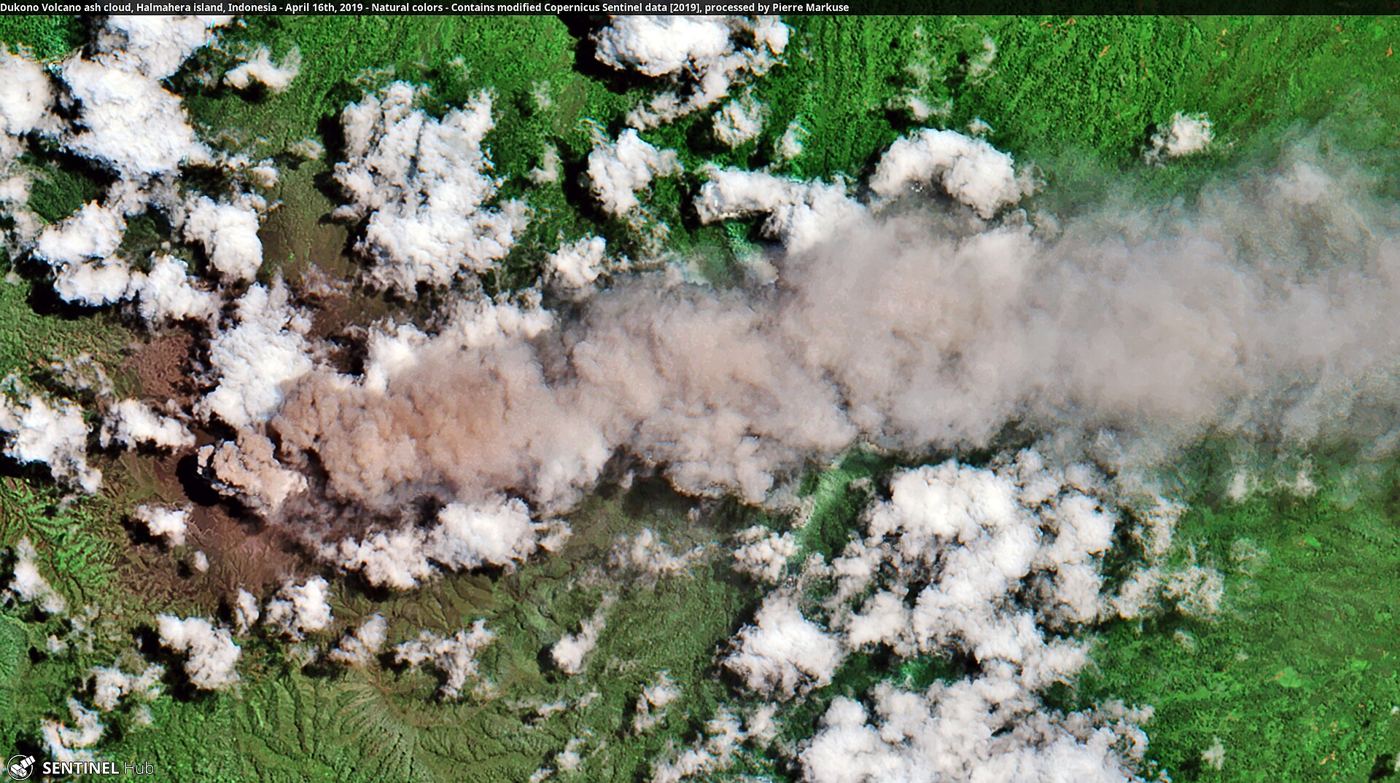
When a volcano erupts, it does more than reshape the landscape around it. The ash cloud rising from the crater can climb high into the atmosphere and drift for thousands of kilometres, carrying fine particles and gases that interact with sunlight and clouds. One of the most important effects is cooling. Tiny sulphur particles in the cloud reflect sunlight back into space, and after large eruptions the effect can be measured worldwide, with average temperatures dipping for a year or more. Smaller eruptions cool only their own region, but even those matter for weather, since the particles can change how clouds form and how much rain falls. Satellites now track these clouds around the clock, measuring their height, spread and composition as they drift. That monitoring matters because the same ash that cools the climate can also damage aircraft engines, close airports and harm the lungs of people living downwind.
What the Evidence Shows
Understanding volcanic ash has become a shared task for volcanologists, climate scientists and aviation authorities. After eruptions that disrupted air travel, agencies built better forecasting systems that predict where an ash cloud will drift and how concentrated it will be, so that flight routes can be adjusted rather than grounded entirely. Researchers are also studying how ash settles on land and sea, since the minerals it carries can fertilise soils and ocean waters, sometimes triggering blooms of plankton that draw carbon from the atmosphere. The picture is complicated by the fact that eruptions differ widely: some produce mostly ash, others mostly gas, and the climate effect depends on how high the material reaches. Scientists say the work has improved steadily, with each major eruption adding to a record that helps predict the next one. For communities living near active volcanoes, that knowledge is practical, turning a frightening event into something that can be prepared for and measured. Reporting and analysis from sources such as NASA track the same developments, and specialists following the drifting volcanic ash say the direction is now consistent across independent lines of evidence.
The Wider Context
Funding bodies are watching the drifting volcanic ash closely because the work sits at the junction of basic curiosity and practical return. Grant panels increasingly ask for a path from discovery to application, while researchers push back that the most valuable uses of fundamental science are rarely the ones written into the original proposal. The tension is productive when both sides stay honest about timescales.
What Happens Next
The long view on the drifting volcanic ash is that fields advance by accumulation rather than by single announcements. This result adds a solid, checkable piece to a structure many teams are building, and its authors have shared their data so the piece can be tested from every side. That is how the picture eventually becomes reliable enough to act on. You can follow related developments in our coverage of science.
It is also worth remembering how quickly the picture in this area has changed before. Positions that looked settled a few years ago have been revised as new data arrived, and the same humility is appropriate now. The strongest coverage of this subject, and the most useful advice, tends to come from sources that update their views openly when the facts move, rather than defending an earlier position long after it has stopped fitting the evidence available.

