

Introduction
Choosing the right flooring can change how a home or office feels, and in Dubai, few options are as popular as full-room carpeting. From villas in Arabian Ranches to apartments in Marina and offices in Business Bay, wall to wall carpeting brings warmth and comfort that hard floors often cannot match. It softens footsteps, reduces noise and adds insulation, keeping air-conditioned spaces comfortable all year.
For many buyers, the search starts online, where wall to wall carpet dubai collections showcase the huge range of colours, textures and materials available in the city today. Whether you want a plush carpet for a bedroom or a durable option for a hallway, understanding the styles, materials and prices will help you make a confident choice. This guide covers everything you need to know before you buy.
What Is Wall to Wall Carpet?
Wall to wall carpet, also known as fitted carpet or broadloom, covers an entire floor from one wall to the opposite wall, with no gaps or exposed flooring in between. Unlike area rugs, which sit on top of a finished floor, fitted carpet is cut to the room’s exact shape and secured with gripper strips or adhesive, often over a cushioned underlay.
The result is a seamless surface that feels soft underfoot and looks neat and continuous. It is popular in bedrooms, living rooms, majlis areas and offices, where comfort and sound absorption matter most. Because it is installed as one continuous piece, it also hides minor imperfections in the subfloor and suits almost any interior style, from classic Arabic-inspired decor to modern minimalist apartments.
Popular Styles for Dubai Homes and Offices
Dubai buyers have a wide choice of carpet styles, thanks to the city’s large flooring market. Cut pile is the most common choice for homes, with soft upright fibres that feel luxurious underfoot in solid colours or subtle patterns. Saxony and plush piles suit bedrooms and living rooms, while textured cut pile hides footprints and vacuum marks better in busy family areas.
Loop pile carpet, including Berber styles, uses uncut loops that create a firm, durable surface, a smart pick for hallways, staircases and offices where foot traffic is heavy. Patterned carpets, from gentle geometric designs to bold traditional motifs, add character to large open spaces, while carpet tiles suit commercial spaces because a single damaged tile can be replaced without redoing the whole floor. Neutral tones such as beige, grey and warm brown remain the best sellers, but deep blues, greens and rich reds are popular in feature rooms and majlis settings.
Materials That Handle Dubai’s Climate
Dubai’s hot climate and heavy use of air conditioning place special demands on flooring, so material choice matters. Wool is the premium natural option, prized for softness, resilience and natural resistance to stains and flames, but it costs more and needs more care. Nylon is the most popular synthetic fibre: tough, springy and easy to clean, ideal for family homes and offices.
Polyester offers rich colour and a soft feel at a lower cost, though it can flatten faster in high-traffic areas. Polypropylene is stain resistant and budget friendly, which suits rental properties and large commercial projects. Triexta, a newer fibre, combines softness with excellent stain resistance and durability. Whatever material you choose, a good underlay is essential: it adds comfort, extends the carpet’s life and improves insulation, keeping rooms cool and quiet even in the hottest months.
Wall to Wall Carpet Prices in Dubai
Prices vary widely by material, pile density, brand and area size. As a rough guide, budget polypropylene starts from around AED 15 to AED 25 per square metre for the material alone, while mid-range nylon and polyester options typically cost between AED 30 and AED 60 per square metre. Premium wool and high-density nylon can range from AED 70 to AED 150 or more per square metre.
Installation is usually charged separately, often between AED 10 and AED 25 per square metre, and a quality underlay adds another AED 10 to AED 20. Extra costs can include removing old flooring, moving furniture and finishing trims at doorways. For a typical 20 square metre bedroom, a mid-range carpet with underlay and installation often totals AED 1,200 to AED 2,500, while a large villa living room can cost several thousand dirhams. Always ask for a written quotation that separates material, underlay and installation so you can compare suppliers fairly.
Where to Buy in Dubai
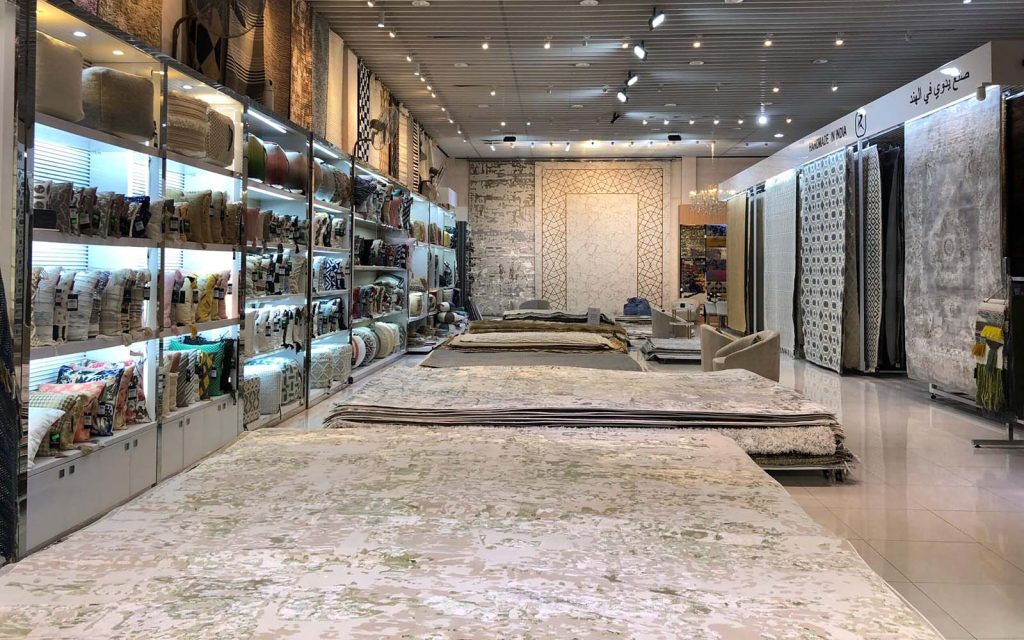
Dubai has no shortage of places to buy fitted carpet, from large showrooms in Al Quoz and Deira to specialist shops in Dragon Mart and neighbourhood retailers across the city. Visiting a showroom is worth the trip because you can feel the pile, compare colours under real lighting and take home samples to test against your furniture and wall paint. Many suppliers offer free site visits, where a representative measures your rooms and advises on the best material for each space.
When comparing suppliers, look beyond the price per square metre and check what is included: measurement, underlay, installation, door trims and after-sales support. Reputable sellers provide a clear warranty on both the carpet and the installation work. Reading recent customer reviews and seeing completed projects in similar properties is a practical way to judge quality. For a wide selection with professional fitting, wall to wall carpet dubai specialists can guide you from the first sample to the final installation.
Conclusion
Wall to wall carpet remains one of the best flooring choices for Dubai homes and offices, combining comfort, quiet and style in a single seamless surface. Match the style and material to each room, set a realistic budget that includes underlay and installation, and buy from a supplier you trust. Take your time with samples, compare written quotations and ask about warranties before you commit. With the right carpet fitted professionally, your floors will look beautiful, feel wonderful underfoot and stand up to daily life in Dubai for many years to come.

