

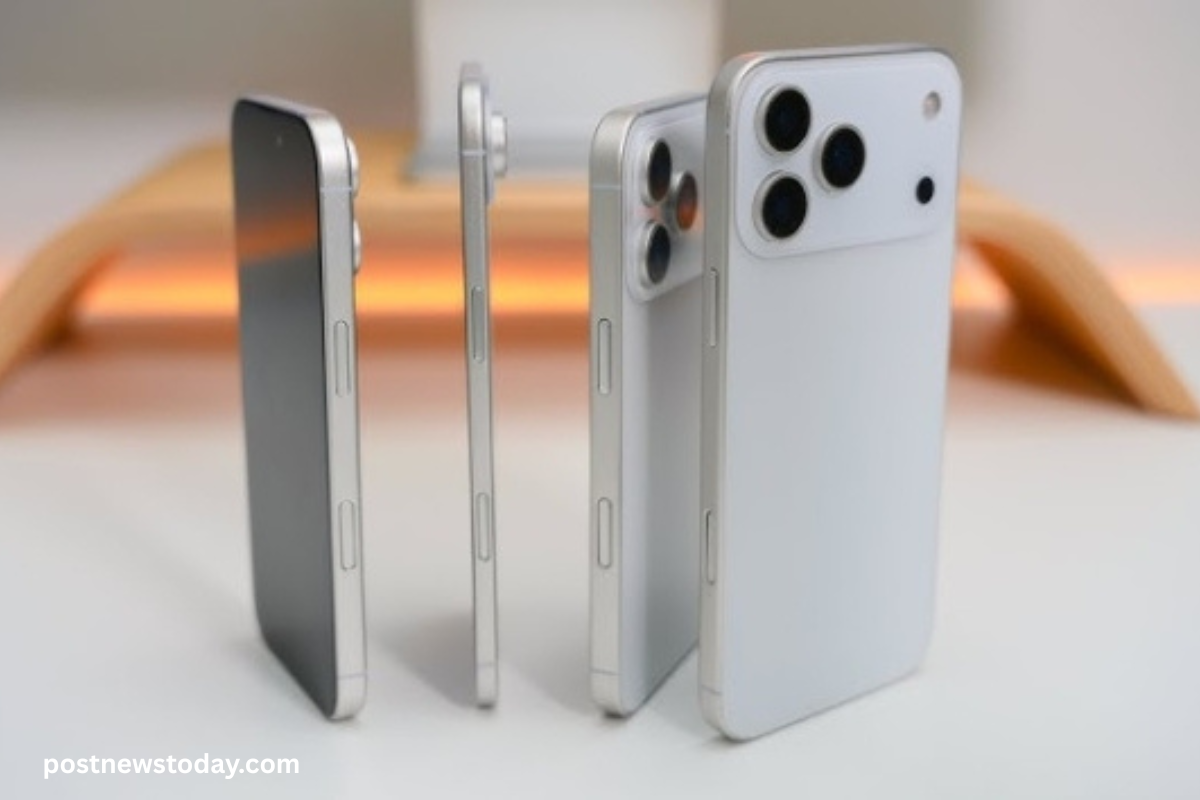
Apple, a company renowned for its constant innovation and highly anticipated yearly product releases, is reportedly planning a strategic shift in its release schedule for the next few years. According to a report by The Information, this major adjustment is being implemented to accommodate the introduction of the first-ever foldable iPhone, which is slated for a 2026 debut. This would mark a significant change in the release timing of various iPhone models, as Apple looks to balance an expanding product lineup while maintaining the efficiency and coherence of its brand’s signature annual refresh cycle.
The upcoming shift involves staggered iPhone releases that will help Apple manage the anticipated challenges posed by the introduction of foldable technology in its smartphone portfolio. The foldable iPhone is expected to be part of a completely restructured release plan, with a carefully orchestrated lineup to avoid overwhelming both consumers and the company’s internal supply chain.
The Foldable iPhone’s Potential and Design
The foldable iPhone will likely mark one of the most significant changes in Apple’s product lineup since the debut of the iPhone itself. While foldable phones have already entered the market, with companies like Samsung and Motorola pioneering the technology, Apple’s entry into the foldable phone market is expected to attract massive attention and set new standards for innovation and design. According to the report, Apple has decided to go with a book-style fold, rather than the more popular clamshell form factor seen in devices like the Samsung Galaxy Z Fold and the Motorola Razr.
This design decision is significant for a few reasons. The book-style form factor offers a larger screen when unfolded, with Apple expected to include a display size of just under eight inches. When closed, the device is said to feature a 5.7-inch screen. This screen size is a middle ground between traditional smartphones and larger, tablet-like devices, offering a portable form factor that still provides a more expansive display when unfolded.
Supply chain analyst Ming-Chi Kuo, a highly regarded figure in the Apple ecosystem, has provided further insight into the foldable’s design. He suggested that the device will be about 4.5 to 4.8mm thick when unfolded, and it will incorporate Face ID, Apple’s facial recognition technology, rather than Touch ID, which has been used in previous models. This suggests that the foldable iPhone will be equipped with more advanced biometric security features, a significant step forward in the ongoing race to enhance mobile security.
As with any new technology, the foldable iPhone’s launch will undoubtedly come with its fair share of challenges. The foldable display technology itself, as well as the mechanical complexity of folding hinges, will need to be meticulously designed and tested. Apple’s decision to introduce this type of product in 2026 highlights its commitment to long-term innovation and its willingness to embrace new technology at a time when the smartphone market is beginning to reach a level of maturity.
The Staggered iPhone Release Plan
The introduction of a foldable iPhone into the market is expected to be a game changer, not only in terms of design but also for the way Apple handles its release schedule. With a rapidly expanding product portfolio, including multiple models per year, Apple faces the challenge of ensuring that each device receives the attention it deserves. The solution, as reported by The Information, will be a staggered release of iPhone models starting as soon as 2026.
The iPhone 18 Pro and its variants, along with the foldable iPhone, will be released alongside the Air models. These devices are expected to feature the latest technology and innovations, including a focus on display quality, design, and biometric capabilities. The Air models, which are typically seen as more affordable options with fewer features, will follow in tandem with the Pro variants, ensuring a diverse product range that can cater to various market segments.
However, the major shift involves the standard iPhone 18 model, which will be pushed back to the spring of 2027. This decision to delay the release of the iPhone 18 marks a significant departure from Apple’s usual annual release cycle, where most iPhones are unveiled and shipped in the fall of each year. According to the report, the iPhone 18 will now launch alongside an updated iPhone 16E, which will serve as a successor to the iPhone 16E and likely offer improvements in performance, design, and possibly a more affordable price point.
Why the Change in Schedule?
Apple’s decision to stagger the iPhone release schedule and delay the iPhone 18 is largely driven by the need to accommodate the addition of the foldable iPhone. With the arrival of a completely new product category, Apple must strategically manage its portfolio to avoid overwhelming customers with too many similar products at once. Introducing the foldable iPhone alongside the iPhone 18 Pro models will allow Apple to create a clear distinction between the premium offerings and the more standard models, making it easier for consumers to decide which product best suits their needs.
Moreover, the iPhone lineup has been growing increasingly complex over the years, with multiple Pro, Air, and standard variants being released in quick succession. In 2026, Apple’s iPhone lineup will include the foldable device, the iPhone 18 Pro, the Air models, and the regular iPhone 18. This will result in a diverse and multi-faceted set of devices for consumers to choose from, but it also requires careful planning to ensure that production timelines, marketing efforts, and customer demand are effectively managed. The staggered release of the iPhone 18 will give Apple time to fine-tune the design and features of its various models while also allowing more flexibility in addressing supply chain demands.
The Impact on Apple’s Future iPhone Releases
The impact of this new release strategy on future iPhone models cannot be understated. With the iPhone 18 being delayed until 2027, Apple will be able to focus its attention on the foldable iPhone and the Pro models, ensuring that these products are given the resources and time they need to succeed. In the meantime, the company will have more breathing room to develop new features, refine hardware and software, and maintain its position as an industry leader in the smartphone market.
In the years following the release of the foldable iPhone, it is expected that Apple will continue to refine its foldable design and expand the lineup. The introduction of a foldable device could pave the way for other products in Apple’s portfolio to adopt foldable or flexible display technology, further enhancing the company’s innovation-driven reputation. Additionally, the delays in the standard iPhone release might indicate that Apple is prioritizing product quality and user experience over speed, which is a move that could resonate well with its customer base.
iPhone 17 Air and Battery Concerns
In the same report, The Information also sheds light on some updates related to the upcoming iPhone 17 Air. Testing of the iPhone 17 Air has reportedly revealed that its battery life will be somewhat lacking compared to previous iPhone models. This issue has led to the development of a new battery case designed to extend the iPhone 17 Air’s battery life and address concerns about its longevity. The iPhone 17 Air is expected to offer a slimmer design and reduced size, which could contribute to the battery’s reduced performance. As a result, the new battery case is being positioned as an essential accessory for users who need to get the most out of their device throughout the day.
Under-Display Face ID: A Step Toward a Sleek Design
Apple is also reportedly introducing long-rumored under-display Face ID sensors in the iPhone 18 Pro and Pro Max models. This advancement will help eliminate the need for a visible notch or cutout in the display, allowing for a more immersive and seamless screen experience. The only interruption in the top-left corner will be a small hole for the front-facing camera, making the overall design cleaner and more modern. This will bring Apple closer to achieving a truly all-display front, which has long been a goal of smartphone manufacturers.
Frequently Asked Question
Why is Apple changing its iPhone release schedule in 2026?
Apple is adjusting its release schedule to make room for the foldable iPhone and manage its expanding lineup. The standard iPhone 18 will be delayed to 2027 to avoid overwhelming customers.
What will the foldable iPhone look like?
The foldable iPhone will have a book-style design with a 5.7-inch screen when closed and an 8-inch display when opened. It will use Face ID and be around 4.5 to 4.8mm thick when unfolded.
When will the foldable iPhone be released?
The foldable iPhone is expected to be released in 2026, alongside the iPhone 18 Pro and Air models.
What models will Apple release in 2026?
In 2026, Apple will release the iPhone 18 Pro models and the foldable iPhone, but the standard iPhone 18 will be delayed until 2027.
Why is the standard iPhone 18 delayed until 2027?
The iPhone 18 is delayed to make space for the foldable iPhone and to avoid overloading the product lineup. This allows Apple to focus on new technologies.
Will the iPhone 18 models still include the usual features?
Yes, the iPhone 18 Pro models will feature improvements like better cameras and under-display Face ID. The standard iPhone 18 will also have upgrades but will be released later.
What is under-display Face ID?
Under-display Face ID hides the sensors beneath the screen, allowing for a more seamless design without a visible notch or cutout.
What are the new battery-related developments for the iPhone 17 Air?
The iPhone 17 Air will come with a new battery case to extend battery life, as tests have shown its battery performance may be lower compared to previous models.
How will the foldable iPhone impact Apple’s future releases?
The foldable iPhone may set the stage for future foldable Apple devices and influence design choices in other products, expanding the use of flexible displays.
Will the iPhone 18 and foldable iPhone have similar features?
While both will share core features like Face ID, the foldable iPhone will have a unique design and functionality, with a focus on flexibility, while the iPhone 18 will be a more traditional smartphone.
Will the iPhone 17 Air have a similar design to previous models?
The iPhone 17 Air will be slimmer, with a new battery case accessory to improve battery life. Its design will align with the Air series’ slim and lightweight profile.
Conclusion
Apple’s plans to introduce a foldable iPhone alongside a staggered release schedule for its iPhone 18 lineup in 2026 represents a bold move in response to the growing demand for innovation and diversity in the smartphone market. By carefully planning out its product releases and embracing new technologies like foldable displays and under-display Face ID, Apple is positioning itself to lead the charge into the future of mobile computing. While the changes to the release schedule may seem like a departure from Apple’s traditional model, they are likely to ensure that the company remains at the forefront of the industry for years to come.
