

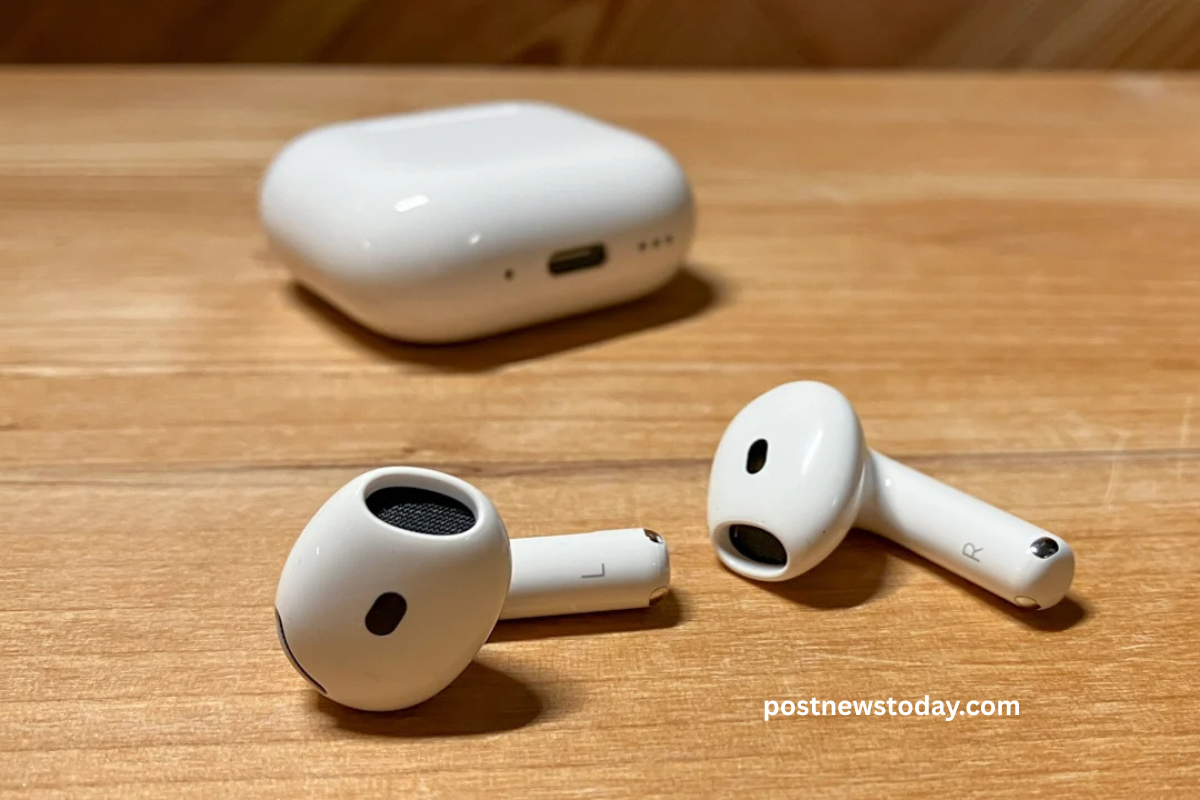
Whether you’re buying your first pair of AirPods or upgrading from an older model, there’s a good reason Apple’s wireless earbuds remain a top choice among iPhone users. Over the years, Apple has refined the AirPods lineup, adding features that work seamlessly within its tightly integrated ecosystem. From automatic device switching to personalized audio experiences, AirPods are designed to offer convenience and superior performance—especially for those already using Apple products.
This article will walk you through everything you need to know to choose the best AirPods for your needs in 2025.
Why AirPods Stand Out
Seamless Ecosystem Integration
AirPods are built to work effortlessly across all Apple devices. When you’re signed into the same Apple ID, your AirPods automatically switch between your iPhone, iPad, Mac, and Apple Watch depending on which device you’re using. This seamless connectivity is unmatched and a major reason many users stick with AirPods over other wireless earbuds.
Audio Sharing
With AirPods, you can share audio between two sets of earbuds or headphones on the same device. This feature is perfect for watching a movie with a friend or listening to music together without disturbing others.
Personalized Spatial Audio
Some AirPods models come with personalized spatial audio, which creates an immersive sound experience by mapping the shape of your ear. The result is a more dynamic and realistic audio experience—ideal for watching films or listening to spatially mixed music.
Automatic Switching
Moving from your iPhone to your MacBook? Your AirPods will follow. Apple’s automatic switching feature detects which device you’re using and connects your AirPods accordingly, saving you the hassle of manual pairing.
Siri and Voice Control
AirPods support hands-free “Hey Siri” commands, allowing you to control music, check the weather, send messages, and more—all without lifting a finger.
Hearing Health Features
Newer AirPods models include advanced features designed for hearing wellness. These include environmental sound monitoring, audio volume control suggestions, and support for hearing enhancements.
Which AirPods Should You Buy?
Apple currently offers several different AirPods models, each with unique strengths. Your choice should depend on your budget, priorities, and how you plan to use them.
AirPods (2nd Generation)
- Best for Budget Users
- These are the most affordable entry point into the AirPods family.
- Ideal for users who want reliable performance without needing premium features.
- Basic but solid sound, decent battery life, and full compatibility with Apple devices.
AirPods (3rd Generation)
- Best for Casual Listeners Who Want More Features
- Offers better sound quality than the 2nd generation.
- Features spatial audio, improved battery life, and a more contoured design.
- No noise cancellation, but a step up in experience for general users.
AirPods (4th Generation)
- Best for Balanced Features and Comfort
- Comes in two versions—one with active noise cancellation and one without.
- Features personalized spatial audio, adaptive transparency, and improved fit.
- An excellent middle ground for users who want more than the basics without going for the Pro model.
AirPods Pro (2nd Generation)
- Best for Advanced Audio Features and Noise Cancellation
- Offers top-tier features including active noise cancellation, adaptive transparency, spatial audio, and more.
- Customizable fit with silicone ear tips ensures a secure and comfortable wear.
- Ideal for commuters, frequent travelers, or anyone needing premium performance.
AirPods Max
- Best for Audiophiles and Over-Ear Comfort
- Over-ear design provides immersive, high-fidelity audio.
- Exceptional noise cancellation and spatial audio.
- Comfortable for long listening sessions but larger and heavier than other models.
- Great choice for those prioritizing sound quality above all else.
Key Features to Consider
When deciding which AirPods model to buy, consider these core factors:
Noise Cancellation
Only the AirPods Pro and AirPods Max offer true active noise cancellation. If you often find yourself in noisy environments like planes or public transport, this is a must-have feature.
Fit and Comfort
AirPods (2nd and 3rd Gen) have an open-ear design, while the Pro models come with customizable ear tips. Over-ear users might prefer the comfort and sound isolation offered by the AirPods Max.
Battery Life
AirPods provide anywhere from four to six hours of listening time, with the charging case extending that to more than 20 hours in most models. The AirPods Max offers longer battery life but requires more charging time due to its size.
Charging Options
All current AirPods come with wireless charging cases (some models also support MagSafe). USB-C versions are now available for faster and more universal charging.
Pricing Breakdown
- AirPods (2nd Gen): Ideal for budget-conscious users.
- AirPods (3rd Gen): Slightly more expensive, offering better sound and features.
- AirPods (4th Gen): Comes in two versions with a mid-range price.
- AirPods Pro (2nd Gen): Higher price point, but worth it for premium features.
- AirPods Max: Most expensive, targeting audiophiles and professionals
Frequently Asked Questions
What are the main differences between AirPods and AirPods Pro?
AirPods Pro offer features like active noise cancellation, customizable silicone ear tips, and advanced audio enhancements such as adaptive transparency and personalized spatial audio. Standard AirPods come with a universal hard plastic design and do not support noise cancellation.
Are AirPods worth it for non-Apple users?
Yes, they can work with non-Apple devices via Bluetooth, but many of the best features—like automatic device switching, Find My tracking, and spatial audio—are exclusive to the Apple ecosystem. If you’re not using Apple products, other earbuds may provide better value and functionality.
Can I use AirPods for calls and online meetings?
Definitely. All AirPods models come with built-in microphones and work well with calling and video conferencing apps. The Pro and Max models offer superior mic clarity and background noise reduction, making them excellent for professional use.
How long do AirPods typically last?
With regular use, AirPods tend to maintain strong performance for a few years before battery life starts to decline. Apple offers battery replacement services, and extended coverage is available through AppleCare+.
Are AirPods water-resistant?
Certain models like the Pro and newer standard AirPods are rated for sweat and water resistance, making them suitable for workouts and light rain. However, they are not waterproof and shouldn’t be submerged in water.
What is Personalized Spatial Audio, and is it useful?
Personalized Spatial Audio tailors sound based on the shape of your ears and head, creating a more immersive, surround-sound-like experience. It enhances movies, music, and FaceTime calls by delivering directional audio that adjusts as you move your head.
Can I track my AirPods if I lose them?
Yes. All modern AirPods support the Find My app, helping you locate misplaced earbuds or cases. Some models also feature a built-in speaker in the case to help you find them more easily with audible alerts.
Should I wait for the next AirPods release?
If you’re in urgent need of new earbuds, the current lineup is fresh and offers excellent features across all models. Unless you’re specifically targeting an upcoming feature or redesign, there’s no strong reason to delay your purchase.
Conclusion
AirPods have become a staple in the world of wireless audio for good reason. Their seamless integration with Apple devices, intuitive controls, and steadily improving sound quality make them an easy recommendation for most users.
